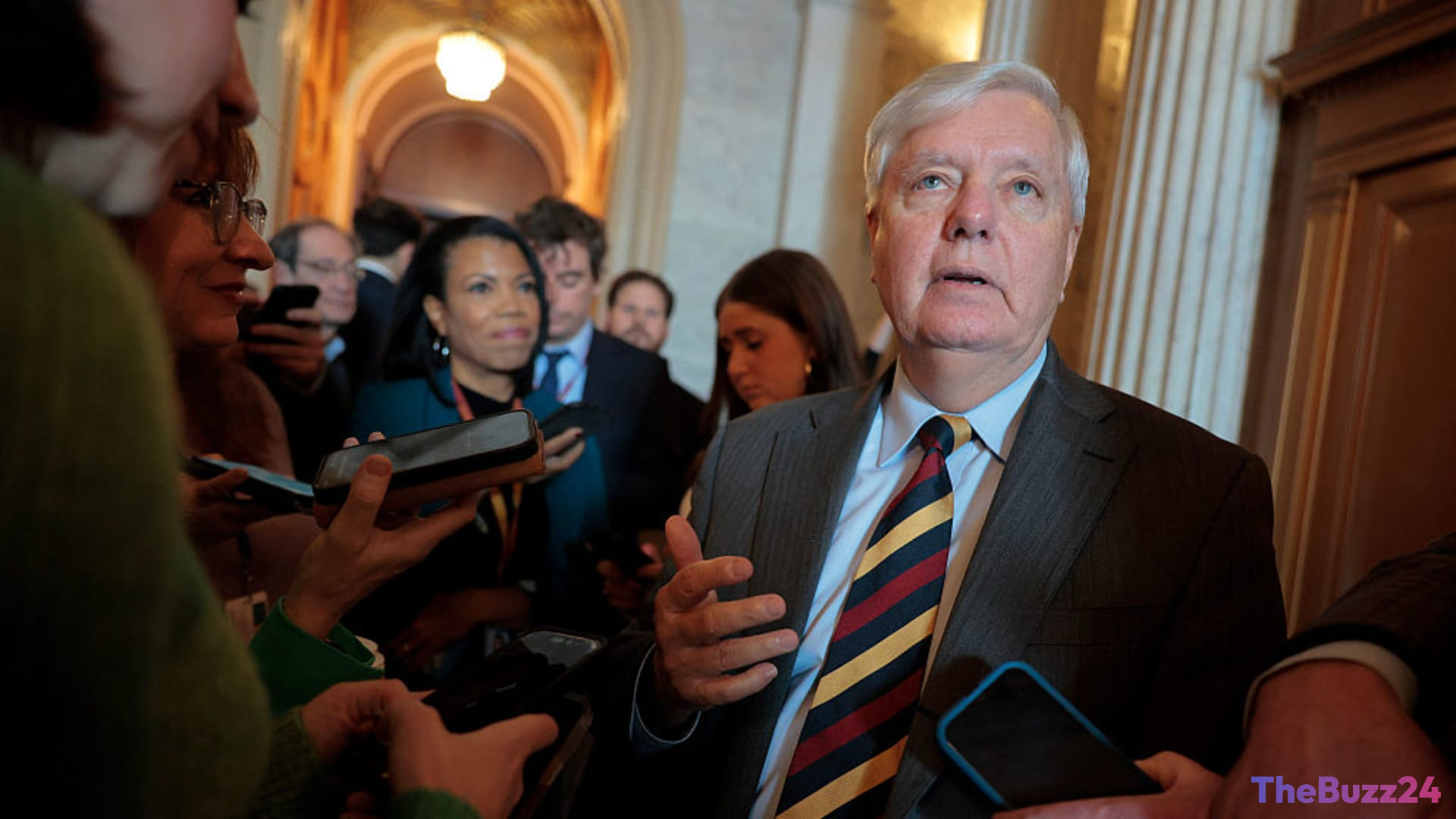
Senate Republicans Propose $400 Million White House Ballroom Project Amid Security Concerns
A coalition of Senate Republicans has introduced a legislative proposal seeking $400 million in federal funding to construct a dedicated ballroom at the White House. Spearheaded by Senators Lindsey Graham, Katie Britt, and Eric Schmitt, the initiative follows a high-profile security breach at the White House Correspondents’ Dinner, where an armed individual attempted to gain unauthorized access to the event. Lawmakers argue that the current infrastructure is insufficient for hosting high-profile government gatherings and that a secure, on-site facility is a necessary upgrade for national security.
While previous discussions regarding a potential ballroom expansion centered on the use of private donations, this new legislative effort explicitly calls for taxpayer funding. Proponents of the bill emphasize that the project is a strategic security measure rather than a cosmetic improvement. The proposal is currently being navigated through a complex legislative environment, with some supporters looking to attach the funding to broader budget negotiations, including ongoing discussions surrounding the Department of Homeland Security’s fiscal appropriations.
The project has encountered significant pushback regarding its cost and the source of its funding. Senator Rand Paul has introduced an alternative perspective, advocating for construction methods that would avoid placing additional financial burdens on taxpayers. As Congress grapples with the necessity of the structure against the backdrop of interim budget measures and the funding requirements of other federal agencies, the ballroom proposal remains a point of intense debate within the legislative agenda.
Key Takeaways
- Senate Republicans are seeking $400 million in federal funds to build a secure ballroom at the White House.
- The proposal is framed as a national security upgrade following a security breach at a recent high-profile event.
- The bill faces opposition due to its high cost and potential impact on broader federal budget negotiations.
Editor’s Analysis & Impact
The push for a $400 million White House ballroom highlights the ongoing tension between infrastructure modernization and fiscal responsibility in Washington. By framing the project as a security necessity rather than a luxury, proponents are attempting to bypass traditional criticisms of government spending. However, the timing of this request—amidst broader debates over federal agency funding and interim budget measures—makes it a politically sensitive issue. If passed, this project could set a precedent for how the government prioritizes physical security upgrades for executive facilities. Conversely, if the bill fails, it may signal a growing legislative resistance to non-essential capital projects during periods of fiscal uncertainty. The outcome will likely depend on whether the sponsors can successfully link the ballroom to the broader national security narrative during upcoming budget reconciliation talks.
Frequently Asked Questions
Q: Why are lawmakers proposing a new ballroom at the White House?
A: Proponents argue that a new, dedicated ballroom is necessary to provide a secure environment for government officials and high-profile events, especially following recent security breaches.
Q: How do supporters plan to fund the $400 million project?
A: The current legislative proposal seeks to use federal taxpayer funding, though some lawmakers are exploring ways to attach the cost to broader budget negotiations.
AI Disclosure: This article is based on verified data and official reports. Our Team and AI have cross-referenced every financial detail with primary sources to ensure total accuracy.
More from this Category