The Long Game: How TDK Ventures Identifies the Next Big Tech Bottlenecks
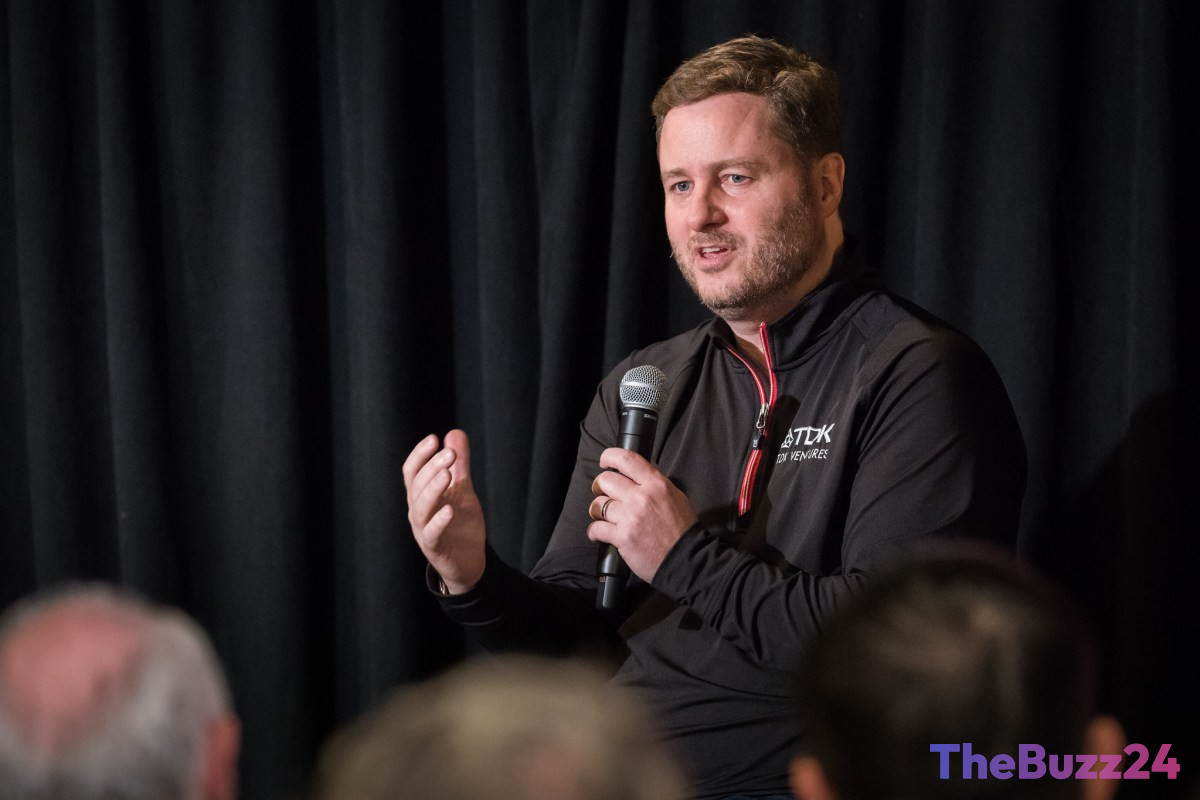
Nicolas Sauvage, the architect behind TDK Ventures, has built a reputation for identifying transformative technologies years before they reach mainstream adoption. Since founding the corporate venture arm of the Japanese electronics giant in 2019, Sauvage has managed $500 million across four funds, focusing on a strategy of identifying critical infrastructure bottlenecks four years in advance. His early investment in the AI chip startup Groq, made well before the generative AI boom, serves as a prime example of this foresight. By backing companies that solve fundamental computational challenges, Sauvage has positioned his firm at the forefront of the industry’s most significant shifts.
The investment philosophy at TDK Ventures centers on clarity of purpose and long-term utility. Rather than chasing fleeting trends, Sauvage prioritizes companies that solve specific, mundane, yet essential problems. This is evident in his portfolio’s focus on physical AI, including Agility Robotics and ANYbotics, which target labor shortages and hazardous work environments with specialized, reliable automation. By avoiding the trap of trying to build ‘generalist’ solutions, these companies provide tangible value in sectors that are often overlooked by traditional venture capital.
Looking ahead, Sauvage is shifting his focus toward the next evolution of the compute stack and the rapid acceleration of hardware prototyping. While GPUs have dominated the training phase of AI, he anticipates a renaissance for CPUs, which are better suited for the complex, branching logic required by AI agents. Furthermore, he is closely monitoring the rapid iteration cycles in Chinese manufacturing, which he believes are setting a new standard for physical product development. For Sauvage, the next great frontier is ‘physical fluency’—the ability to iterate on hardware with the same speed and agility currently seen in software development.
Key Takeaways
- TDK Ventures employs a four-year horizon strategy to identify and invest in critical infrastructure bottlenecks before they become mainstream.
- The firm prioritizes 'physical AI' companies that solve specific, high-value tasks, such as warehouse logistics and hazardous environment navigation, rather than general-purpose robotics.
- Future industry trends identified by the firm include a potential CPU renaissance for AI orchestration and the need for Western supply chains to match the rapid hardware iteration cycles seen in China.
Editor’s Analysis & Impact
The investment strategy employed by TDK Ventures highlights a shift in the venture capital landscape toward ‘deep tech’ and infrastructure-heavy bets. By focusing on the ‘boring’ but essential components of the AI stack—such as inference chips and specialized robotics—the firm is effectively hedging against the volatility of consumer-facing AI applications. The emphasis on physical fluency and hardware iteration suggests that the next phase of the AI revolution will be defined by the integration of digital intelligence into the physical world. As AI agents move from simple query-response models to autonomous task orchestration, the demand for flexible, efficient compute and rapid manufacturing will likely become the primary drivers of market value, favoring firms that have already secured positions in these foundational layers.
Frequently Asked Questions
Q: What is the core investment philosophy of TDK Ventures?
A: The firm focuses on identifying critical technological bottlenecks four years in advance and investing in founders who are building specialized, reliable solutions to those specific problems.
Q: Why does Nicolas Sauvage believe CPUs will see a renaissance in the AI era?
A: While GPUs are ideal for the massive parallel computation required for training models, CPUs are better suited for the complex, branching decision-making logic required by AI agents that manage and orchestrate multi-step tasks.
AI Disclosure: This article is based on verified data and official reports. Our Team and AI have cross-referenced every financial detail with primary sources to ensure total accuracy.
More from this Category