From Tragedy to Hope: Orphaned Hippo Calf Finds New Life in Kenyan Sanctuary
A newborn hippopotamus, affectionately named Bumpy, has been given a second chance at life after a traumatic encounter in the lakes of Kenya. The calf was discovered clinging to its deceased mother, who is believed to have fallen victim to a territorial dispute—a frequent and often violent occurrence within hippo populations.
The rescue operation conducted by the Kenya Wildlife Service was fraught with difficulty. Due to the calf’s refusal to abandon its mother’s side, responders had to utilize the mother’s remains to stabilize the area and safely secure the infant. Following the extraction, Bumpy was rushed to a specialized nursery in Nairobi for stabilization and intensive feeding.
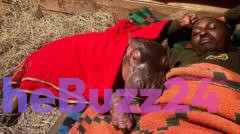
To facilitate a more natural environment, Bumpy has been airlifted to the Kaluku sanctuary, located near Tsavo East National Park. Recognizing the critical need for social stimulation, sanctuary staff are providing around-the-clock companionship, remaining in the water with the calf to mimic the maternal presence essential for its development.
The Sheldrick Wildlife Trust is overseeing the long-term rehabilitation process. While Bumpy is currently being raised alongside other young hippos, the ultimate objective remains his successful reintroduction into the wild. This intensive care is vital, as hippo calves typically require several years of maternal guidance to thrive in the wild.
Key Takeaways
- A newborn hippo calf named Bumpy was rescued following the death of its mother in a Kenyan lake.
- The rescue required complex maneuvers by the Kenya Wildlife Service to ensure the calf's safety.
- The calf is currently receiving specialized care at the Kaluku sanctuary with the goal of eventual wild reintroduction.
Editor’s Analysis & Impact
The rescue of Bumpy highlights both the brutal realities of wildlife territoriality and the sophisticated conservation efforts currently active in East Africa. Territorial disputes are a natural, albeit harsh, part of hippo social structures, but they often leave vulnerable offspring at risk. The success of such rehabilitation programs, led by organizations like the Sheldrick Wildlife Trust, is crucial for maintaining biodiversity. As climate change and habitat loss continue to pressure African ecosystems, the ability to successfully rehabilitate and reintroduce megafauna like hippos becomes a vital component of regional conservation strategies. The long-term success of Bumpy’s reintroduction will serve as a significant metric for the effectiveness of intensive, hands-on wildlife nursery programs in the region.
Frequently Asked Questions
Q: Why do hippos fight each other?
A: Hippos are highly territorial animals, and disputes over space and resources are common, often leading to fatal encounters.
Q: How long does a hippo calf need its mother?
A: Hippo calves typically remain dependent on their mothers for several years to learn essential survival skills.
Q: What is the goal of the Kaluku sanctuary?
A: The sanctuary aims to rehabilitate orphaned wildlife and prepare them for a safe return to their natural habitats.
AI Disclosure: This article is based on verified data and official reports. Our Team and AI have cross-referenced every financial detail with primary sources to ensure total accuracy.
More from this Category