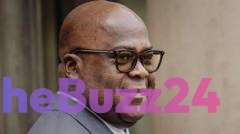
DR Congo President Signals Potential Third Term Amid Security Crisis
Democratic Republic of Congo President Félix Tshisekedi has publicly suggested that he may be open to seeking a third term in office, despite current constitutional limits that restrict a president to two terms. During a recent press conference in Kinshasa, Tshisekedi stated that while he has not actively campaigned for an extension, he would accept a third mandate if the public expressed a desire for it through a national referendum. This announcement has intensified concerns among opposition leaders and civil society groups who fear the administration is laying the groundwork to bypass established term limits.
Beyond the potential for a constitutional shift, the President cast doubt on the feasibility of holding the next scheduled elections in 2028. He cited the ongoing security crisis in the eastern provinces, where M23 rebels continue to control significant territory in North and South Kivu. Tshisekedi emphasized that conducting a credible national vote is impossible while these regions remain outside of government control, effectively linking the electoral timeline to the resolution of the conflict.
The administration continues to face significant diplomatic friction with neighboring Rwanda, which Tshisekedi accuses of backing the M23 insurgency to exploit the region’s vast mineral wealth. While Rwanda denies these allegations, the conflict remains a major hurdle for regional stability. As the government explores legislative avenues for a potential referendum, critics have labeled the move a ‘constitutional coup,’ setting the stage for a volatile political period as the nation balances the need for peace with the preservation of its democratic framework.
Key Takeaways
- President Félix Tshisekedi has indicated he would consider a third term if approved by a public referendum, despite current two-term constitutional limits.
- The 2028 election schedule is at risk due to the ongoing conflict with M23 rebels in eastern DR Congo, which the President claims prevents a nationwide vote.
- Tshisekedi accused Rwanda of fueling the regional conflict to profit from mineral resources, complicating diplomatic efforts to restore peace.
Editor’s Analysis & Impact
The political landscape in the Democratic Republic of Congo is entering a period of heightened instability. President Tshisekedi’s rhetoric regarding a third term suggests a strategic pivot to consolidate power under the guise of public mandate, a tactic often seen in regional politics. By linking the electoral calendar to the unresolved M23 conflict, the administration creates a ‘security trap’ that justifies potential delays or constitutional amendments. Economically, the instability in the eastern provinces continues to disrupt the extraction and export of critical minerals, deterring foreign investment and hindering regional development. The international community, particularly the U.S., faces a delicate challenge: balancing the need for regional security and peace deals with the risk of democratic backsliding. The coming months will likely see increased polarization as the opposition mobilizes against any legislative attempts to alter the constitution.
Frequently Asked Questions
Q: What is the current constitutional limit for a president in the DR Congo?
A: The current constitution of the Democratic Republic of Congo limits a president to a maximum of two terms in office.
Q: Why does President Tshisekedi believe the 2028 elections might be delayed?
A: The President stated that elections cannot be held if the government does not regain control of the eastern regions currently occupied by M23 rebels, as a credible national vote requires participation from all parts of the country.
AI Disclosure: This article is based on verified data and official reports. Our Team and AI have cross-referenced every financial detail with primary sources to ensure total accuracy.
More from this Category