Tenerife Prepares for MV Hondius Arrival Amidst Public Health Concerns
The Spanish island of Tenerife is currently bracing for the arrival of the cruise ship MV Hondius, which has reported an outbreak of hantavirus on board. The vessel, which recently traveled from Cape Verde, is scheduled to arrive this weekend following authorization from the Spanish government and international health authorities. The decision to allow the ship to approach has triggered significant public anxiety and protests among local residents and port workers who fear the potential spread of the virus.
Demonstrations took place outside the Canary Islands’ parliament building on Friday, where dock workers expressed deep concerns regarding the lack of transparent communication and specialized safety protocols. Union representatives have warned that workers may refuse to facilitate the ship’s arrival unless their demands for robust protective measures are met. Local residents have also voiced frustration, arguing that the government has ignored local opposition and failed to adequately address the community’s health and safety apprehensions.
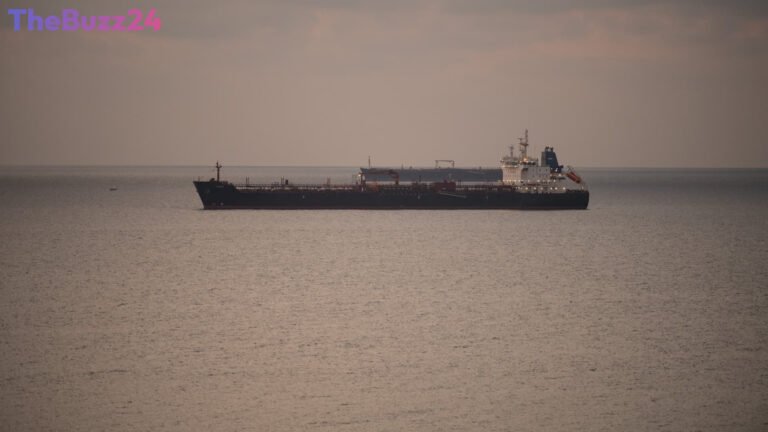
To mitigate these risks, officials have announced that the MV Hondius will not dock at the main port in Santa Cruz. Instead, the ship will anchor offshore, and passengers will be ferried to the industrial port of Granadilla, a location situated well away from residential areas. Once ashore, the majority of passengers are slated for immediate repatriation, while the 14 Spanish nationals on board will be transported to Madrid to undergo a mandatory quarantine period. Government officials have emphasized that strict isolation measures will be in place to ensure there is no contact between the passengers and the local population.
While the detailed containment plan has provided some reassurance to parts of the community, the incident has reignited memories of the early COVID-19 pandemic, when the Canary Islands were at the center of initial outbreak responses. The situation remains a sensitive topic, with political groups drawing parallels to other regional challenges. Despite the tension, authorities maintain that the island’s infrastructure is fully capable of managing the situation without compromising public health.
Key Takeaways
- The MV Hondius is arriving in Tenerife with a hantavirus outbreak, prompting significant local protests and safety concerns.
- Authorities have moved the docking location to the isolated Granadilla industrial port to prevent any contact with the local population.
- Spanish nationals aboard the vessel will be transferred to Madrid for quarantine, while other passengers will be repatriated immediately.
Editor’s Analysis & Impact
The situation in Tenerife highlights the ongoing tension between international maritime logistics and local public health security. The cruise industry, still recovering from the reputational and operational damage of the COVID-19 pandemic, faces a delicate balancing act when managing infectious disease outbreaks on board. The public outcry in the Canary Islands underscores a heightened sensitivity to health risks, particularly in regions that serve as major transit hubs. From a broader perspective, this incident serves as a case study for how governments must prioritize transparent communication to maintain social order during health crises. If handled correctly, the strict isolation protocols could set a standard for future maritime health emergencies; however, any perceived failure in these safety measures could lead to long-term political fallout and increased scrutiny of cruise line operations in European waters.
Frequently Asked Questions
Q: Will the MV Hondius dock at the main port in Santa Cruz?
A: No, the ship will anchor offshore, and passengers will be ferried to the industrial port of Granadilla to ensure they remain separated from residential areas.
Q: What will happen to the passengers once they arrive in Tenerife?
A: Most passengers will be repatriated to their home countries, while the 14 Spanish nationals on board will be transported to Madrid to complete a mandatory quarantine.
AI Disclosure: This article is based on verified data and official reports. Our Team and AI have cross-referenced every financial detail with primary sources to ensure total accuracy.
More from this Category