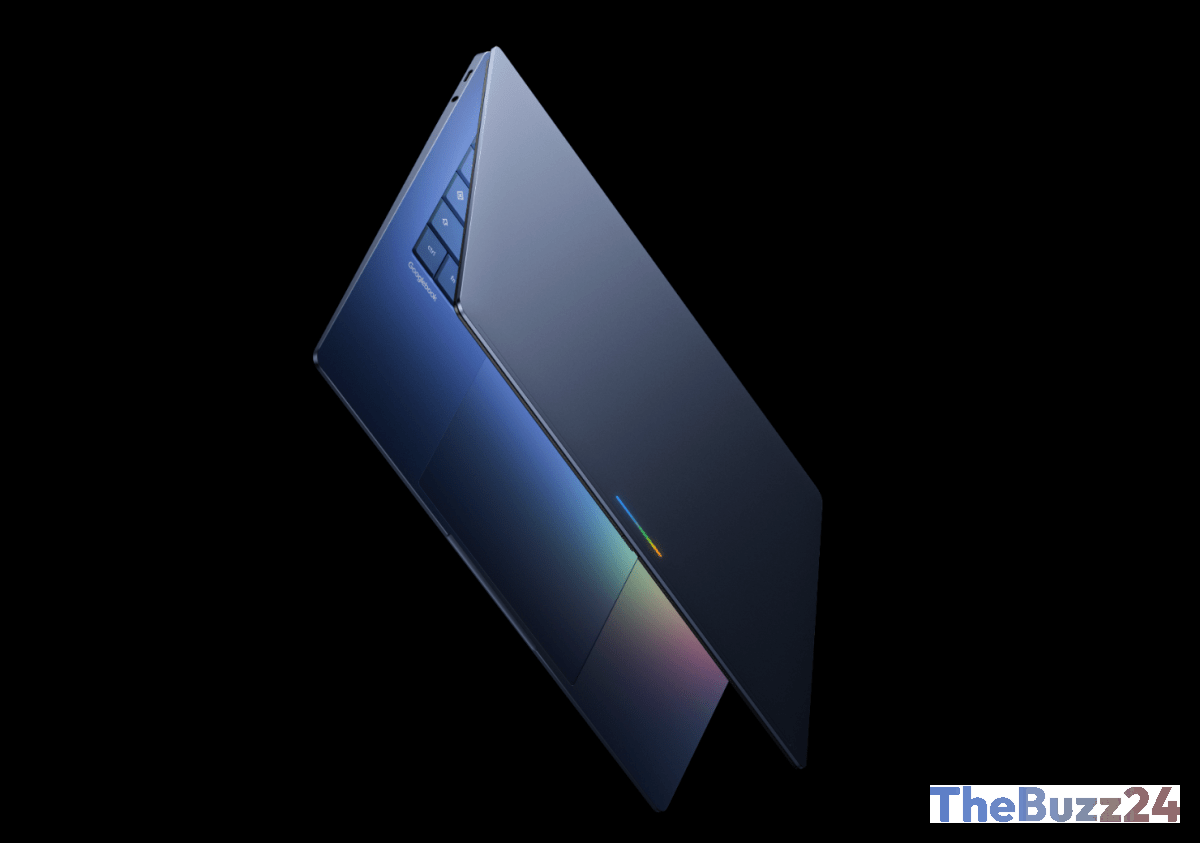
Google Unveils ‘Googlebook’: A New Era of AI-Native Computing
Google is set to redefine the personal computing landscape with the launch of ‘Googlebook,’ a new line of laptops engineered to integrate Gemini AI directly into the hardware and operating system. Scheduled for release this fall, the initiative represents a collaborative effort with major industry players, including Acer, Asus, Dell, HP, and Lenovo. These devices are designed to shift the paradigm from traditional computing to a proactive, intelligent environment that anticipates user requirements.
A standout feature of the new platform is the ‘Magic Pointer,’ an AI-powered utility that interprets on-screen content to provide context-sensitive assistance. Whether a user is interacting with images or specific dates, the system can instantly trigger relevant actions, such as scheduling appointments or drafting design concepts. This functionality is bolstered by deep Android integration, allowing for a fluid workflow where mobile applications, files, and widgets are managed through intuitive voice or text commands powered by Gemini.
This strategic pivot marks a significant departure from the existing Chromebook ecosystem, signaling Google’s intent to transition toward an Android-based OS optimized for artificial intelligence. By focusing on a highly personalized, assistant-driven experience that aggregates data from calendars, emails, and web sources, Google is positioning its new hardware to compete directly with Microsoft’s Copilot+ PC lineup. The move underscores a broader industry trend toward transforming laptops from passive productivity tools into dynamic, intelligent partners.
Key Takeaways
- Google is launching 'Googlebook,' a new laptop series featuring native Gemini AI integration across the OS and hardware.
- The devices feature a 'Magic Pointer' tool that provides context-aware suggestions and actions based on on-screen content.
- The initiative aims to replace the current Chromebook lineup with an Android-based, AI-centric platform to challenge Microsoft's Copilot+ PCs.
Editor’s Analysis & Impact
The introduction of the Googlebook series represents a critical inflection point in the PC market. By moving away from the legacy Chromebook model toward an AI-native Android architecture, Google is attempting to bridge the gap between mobile convenience and desktop productivity. This strategy directly challenges Microsoft’s dominance in the enterprise and consumer laptop space by offering a more integrated, assistant-first user experience. If successful, this could force a rapid industry-wide shift where hardware manufacturers prioritize NPU-heavy designs and AI-first operating systems. However, the success of this transition will depend heavily on developer adoption of the new Android-based desktop environment and the ability of Gemini to provide tangible productivity gains over traditional software workflows. The market should expect increased competition in the ‘AI PC’ segment as Google attempts to capture the ecosystem loyalty currently held by Windows.
Frequently Asked Questions
Q: What is the primary difference between a Googlebook and a traditional Chromebook?
A: Googlebooks are built from the ground up with an Android-based OS specifically optimized for AI, whereas Chromebooks rely on the web-centric ChromeOS.
Q: Which manufacturers are partnering with Google for the Googlebook launch?
A: The initial launch includes partnerships with major hardware manufacturers including Acer, Asus, Dell, HP, and Lenovo.
AI Disclosure: This article is based on verified data and official reports. Our Team and AI have cross-referenced every financial detail with primary sources to ensure total accuracy.
More from this Category