China’s Tech Giants Pivot to Domestic Silicon as AI Arms Race Intensifies
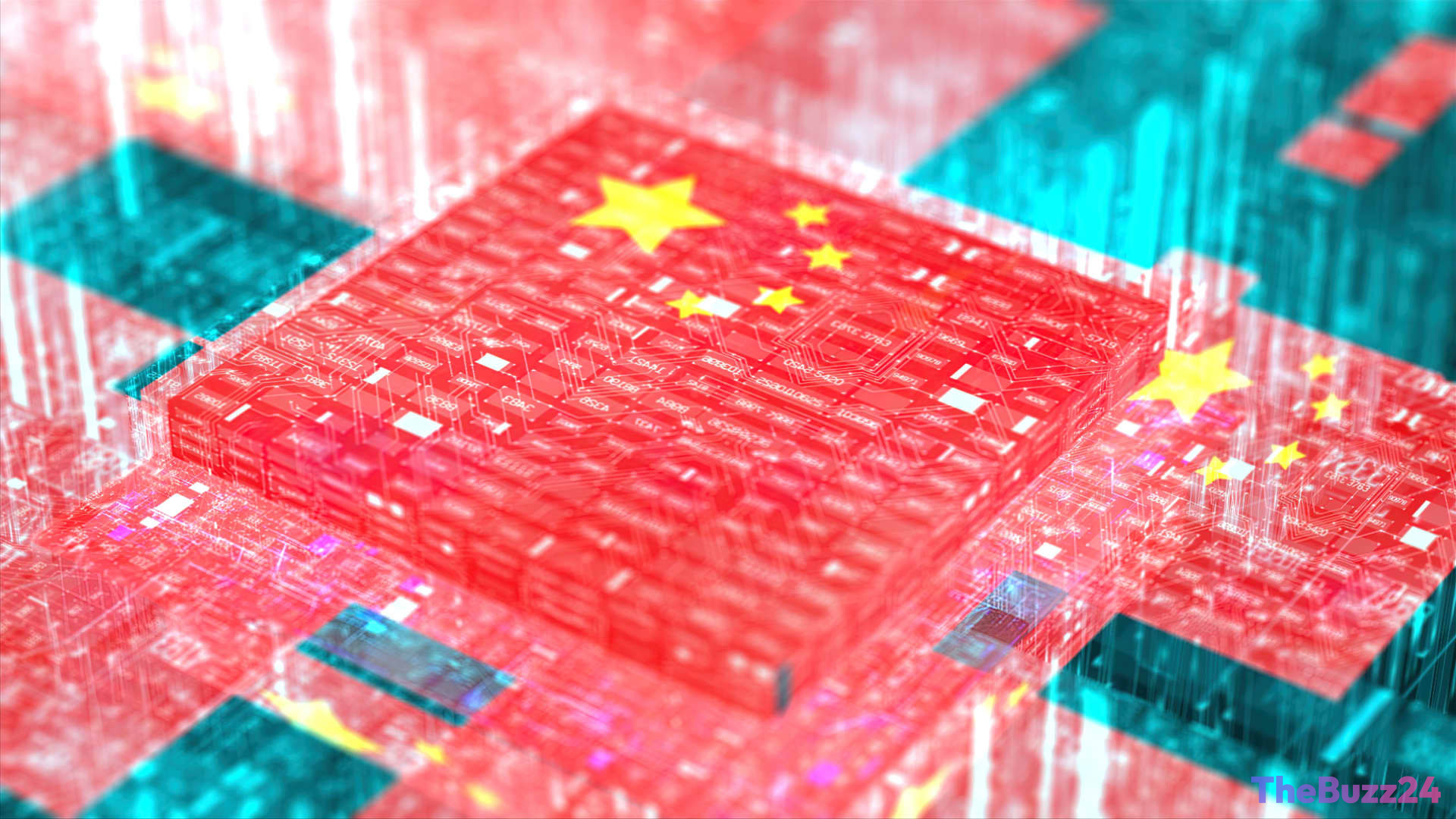
Tencent and Alibaba are leading a massive transition toward domestically produced artificial intelligence semiconductors, signaling a strategic shift in the global technology landscape. This movement is driven by a national mandate for self-reliance in the face of international trade barriers and export restrictions. By investing heavily in local hardware, these companies aim to insulate their operations from supply chain disruptions while fostering a robust internal ecosystem for high-performance computing. This focus on homegrown solutions has already triggered a significant expansion in the domestic manufacturing sector, with local firms reporting record-breaking revenues.
Tencent has signaled a significant rise in capital spending for the latter half of the year, anticipating a steady monthly increase in the availability of Chinese-designed chips. Simultaneously, Alibaba has achieved mass production of its proprietary T-Head GPU series, which now powers its extensive cloud infrastructure. These developments are not isolated; firms like Huawei, MetaX, and Moore Threads are also seeing record growth as they step in to fill the gap left by restricted foreign components. Alibaba, in particular, views its self-developed semiconductors as a critical structural advantage that could drive future revenue growth and improve margins in an era of computing scarcity.
While domestic production scales, the industry is closely watching potential shifts in U.S. export policies. Reports suggest that major Chinese firms might soon gain access to Nvidia’s high-end H200 chips, though official confirmation from government authorities remains pending. As the industry moves toward ‘agentic AI’—systems capable of autonomous, complex task execution—the demand for raw processing power is skyrocketing. Experts believe a hybrid approach, utilizing both domestic silicon and advanced international hardware, may become the standard for Chinese tech leaders seeking to maintain a competitive edge in global AI development.
Key Takeaways
- Tencent and Alibaba are aggressively scaling the use of domestic GPUs to ensure supply chain security and technological independence.
- Alibaba's T-Head chips have reached mass production, providing a structural advantage for its cloud services and data center operations.
- The potential re-entry of Nvidia's H200 chips into the Chinese market could lead to a hybrid infrastructure for advanced AI development.
Editor’s Analysis & Impact
The aggressive push for semiconductor sovereignty in China represents a fundamental shift in the global tech landscape. By forcing domestic giants like Alibaba and Tencent to develop their own silicon, trade restrictions have inadvertently accelerated the maturity of China’s internal chip design and manufacturing capabilities. While domestic chips are making strides, the ‘agentic AI’ era requires unprecedented levels of compute that currently favor Nvidia’s architecture. If the U.S. allows the H200 to enter the market, it could create a complex dynamic where Chinese firms use domestic chips for standard inference while relying on high-end Western hardware for cutting-edge model training. This dual-track strategy highlights the pragmatism of Chinese tech leaders who are balancing national self-sufficiency goals with the immediate need for world-class performance to stay relevant in the global AI race.
Frequently Asked Questions
Q: Why are Chinese companies focusing on domestic chips?
A: To achieve technological self-sufficiency and mitigate risks associated with international export restrictions on high-end semiconductors.
Q: What is 'agentic AI' and why does it matter?
A: Agentic AI refers to advanced systems capable of executing complex, multi-step tasks autonomously. These systems require significantly more processing power, driving the demand for next-generation chips.
Q: Is Nvidia returning to the Chinese market?
A: There are unconfirmed reports that the U.S. may allow the sale of H200 chips to specific Chinese firms, though official government verification is still pending and no units have been produced yet.
AI Disclosure: This article is based on verified data and official reports. Our Team and AI have cross-referenced every financial detail with primary sources to ensure total accuracy.
More from this Category