The Spending Paradox: Why Americans Are Still Buying Despite Economic Gloom
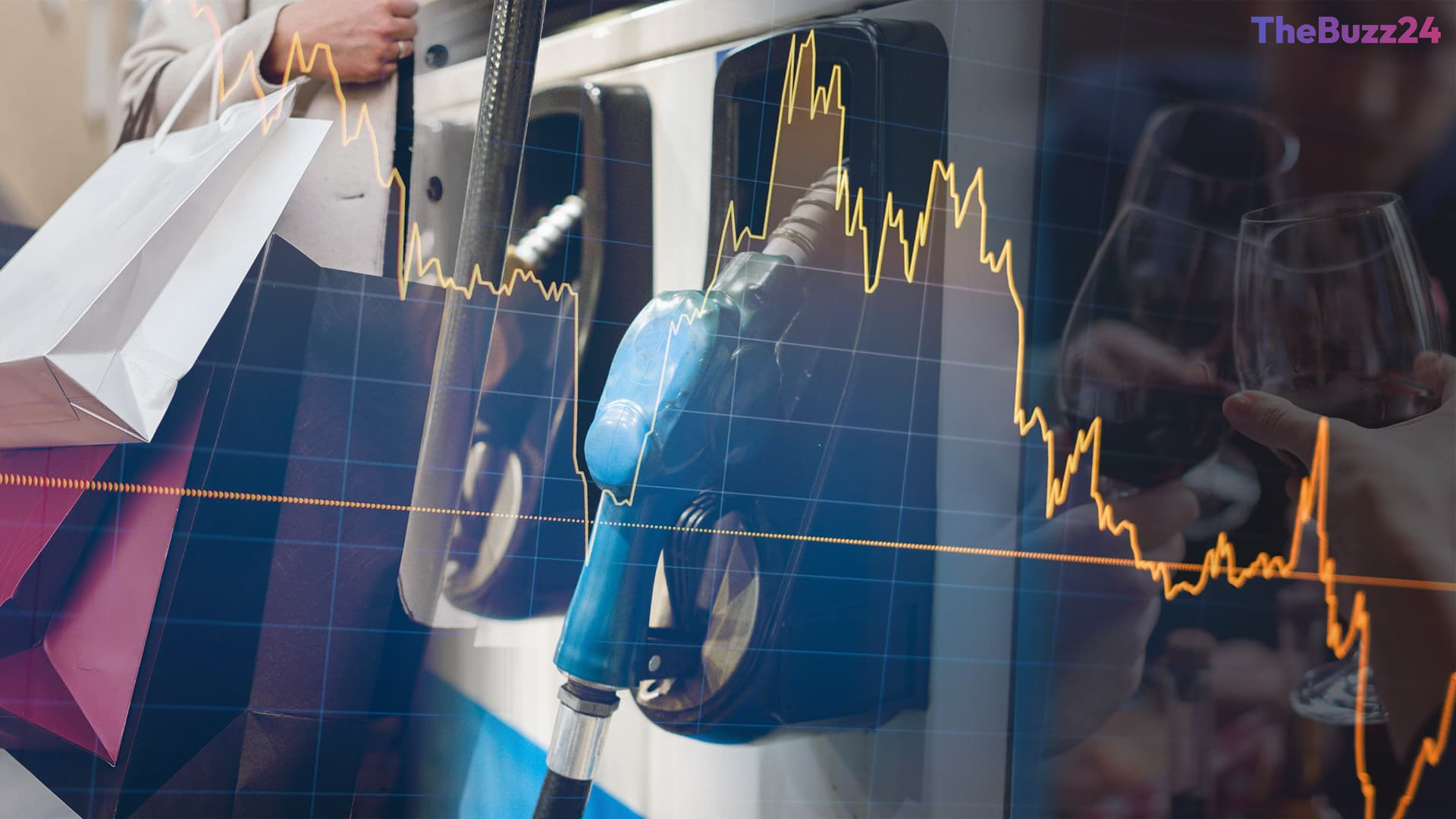
A striking disconnect has emerged in the United States economy, where record-low consumer sentiment is failing to translate into a pullback in spending. Despite persistent pessimism regarding the financial landscape, households continue to open their wallets, defying traditional economic indicators that typically suggest a contraction when confidence levels drop. This phenomenon has left analysts and economists reevaluating the relationship between public perception and actual market behavior.
The roots of this widespread gloom are tied to the lingering psychological and financial effects of the post-pandemic era. While inflation rates have begun to stabilize, the cumulative impact of years of rising costs for essential goods has created a lasting sense of financial strain. This sentiment is further exacerbated by global geopolitical instability and shifting trade policies, which have eroded the public’s sense of long-term economic security.
Despite these concerns, major corporations such as Uber and Walt Disney continue to report robust activity, signaling that consumers are prioritizing spending even as they express dissatisfaction with the broader economy. This resilience is a critical factor for the U.S. market, as consumer spending accounts for roughly two-thirds of all economic activity. As long as this behavior persists, the economy remains anchored by a public that feels negative about the future but continues to participate actively in the present market.
Key Takeaways
- Consumer sentiment is currently at historic lows due to the cumulative impact of past inflation and global uncertainty.
- A clear decoupling exists between negative public sentiment and actual spending, which remains strong across major industries.
- The U.S. economy is currently being sustained by resilient consumer activity, which accounts for two-thirds of total economic output.
Editor’s Analysis & Impact
The current divergence between consumer sentiment and spending behavior represents a unique challenge for economic forecasting. Historically, low sentiment was a reliable leading indicator of a contraction in consumer spending; however, the post-pandemic era has introduced new variables, such as a shift in household priorities toward experiences over goods. The market impact is significant: investors are currently forced to look past survey data and focus on real-time corporate earnings and transaction volumes. Looking ahead, if sentiment remains suppressed for too long, there is a risk that the ‘wealth effect’—driven by record-high stock markets—could eventually fade, potentially leading to a delayed but sharp correction in consumer demand. Businesses must navigate this by balancing cautious inventory management with the reality that the American consumer remains fundamentally active.
Frequently Asked Questions
Q: Why is consumer sentiment low if the economy is performing well?
A: Sentiment is low primarily because of the 'inflation scar' effect. Even as inflation cools, the cumulative price increases for essential goods over the past few years have made the cost of living feel significantly higher than it was pre-pandemic.
Q: Does low consumer sentiment always lead to a recession?
A: Not necessarily. While low sentiment is often a warning sign, the current economic environment shows that consumers are still spending, which prevents the traditional correlation between sentiment and economic contraction from holding true.
AI Disclosure: This article is based on verified data and official reports. Our Team and AI have cross-referenced every financial detail with primary sources to ensure total accuracy.
More from this Category