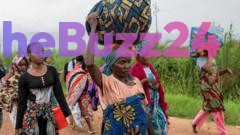
Uvira’s Darkest Days: Investigation Reveals Systematic Atrocities During Rebel Occupation
A harrowing investigation into the recent occupation of Uvira, a strategic lakeside city in the eastern Democratic Republic of Congo, has brought to light a series of grave human rights violations. During a weeks-long siege by the M23 rebel group, which is widely alleged to receive support from Rwandan forces, the city became a site of summary executions and widespread sexual violence. Evidence gathered from the ground confirms the deaths of at least 53 civilians, including women and children, many of whom were killed during systematic door-to-door raids conducted shortly after the rebels seized control in December.
Survivors and eyewitnesses have provided chilling accounts of the violence, describing scenes where neighbors and family members were executed in cold blood. Beyond the killings, the investigation documented numerous cases of brutal sexual assault, with some victims identifying the perpetrators as wearing Rwandan military uniforms. While the Rwandan government has consistently maintained that it has no involvement with the M23 or any military presence within the DR Congo, the testimonies of local residents and international observers suggest a high level of coordination and the use of advanced weaponry by the insurgent forces.
The fall of Uvira, a critical gateway to Burundi located on the shores of Lake Tanganyika, occurred despite a high-profile peace agreement brokered by then-U.S. President Donald Trump between Congolese President Felix Tshisekedi and Rwandan President Paul Kagame. The failure of this diplomatic effort led to an intensification of the conflict, which only saw a reprieve when M23 forces withdrew in January following significant international pressure. Investigators have since identified multiple mass grave sites, including one located near a former United Nations peacekeeping installation, highlighting the scale of the carnage.
The situation in Uvira is part of a broader humanitarian catastrophe unfolding across eastern DR Congo. Recent data indicates that over 35,000 children have been victims of sexual violence in the region over a nine-month period, primarily in areas under M23 influence. In South Kivu alone, the persistent instability has forced nearly two million people to flee their homes. These documented abuses, which include forced recruitment and enforced disappearances, are being viewed by the international community as potential war crimes, sparking urgent calls for accountability and justice for the victims.
Key Takeaways
- At least 53 civilians were executed during the M23 rebel group's occupation of the strategic city of Uvira.
- Despite official denials from Kigali, eyewitness accounts and international experts allege direct Rwandan military support for the M23 offensive.
- The conflict has triggered a massive humanitarian crisis, with nearly two million people displaced in South Kivu and tens of thousands of children facing sexual violence.
Editor’s Analysis & Impact
The atrocities in Uvira underscore the total collapse of recent diplomatic efforts to stabilize the Great Lakes region. The failure of the Trump-brokered peace deal between Presidents Tshisekedi and Kagame suggests that high-level political agreements are insufficient without robust enforcement mechanisms on the ground. The strategic importance of Uvira as a transit hub to Burundi makes it a high-value target, and its occupation demonstrates the M23’s expanding operational capacity. The international community now faces a critical juncture: either escalate sanctions and diplomatic pressure on alleged state sponsors of the rebellion or witness a further descent into a regional war. The discovery of mass graves and the scale of sexual violence against minors provide a clear mandate for the International Criminal Court to investigate these events as war crimes. Moving forward, the focus must shift from temporary ceasefires to addressing the underlying ethnic and territorial grievances that have fueled this insurgency for decades.
Frequently Asked Questions
Q: What is the M23 and why are they fighting?
A: The M23 is a rebel military group operating in eastern DR Congo, primarily composed of ethnic Tutsis. They claim to be fighting to protect their community from local militias and to force the government to honor previous peace agreements.
Q: Why is the city of Uvira strategically important?
A: Uvira is located on the northern tip of Lake Tanganyika and serves as a major port and gateway to neighboring Burundi, making it a vital economic and logistical hub for the region.
Q: What has been Rwanda's response to the allegations?
A: The Rwandan government has repeatedly denied any involvement with the M23 rebels or the presence of its troops in the Democratic Republic of Congo, despite reports from international experts suggesting otherwise.
AI Disclosure: This article is based on verified data and official reports. Our Team and AI have cross-referenced every financial detail with primary sources to ensure total accuracy.
More from this Category