Betting on Redemption: Khosla Ventures Backs Ian Crosby’s $10M Autonomous AI Bookkeeping Venture
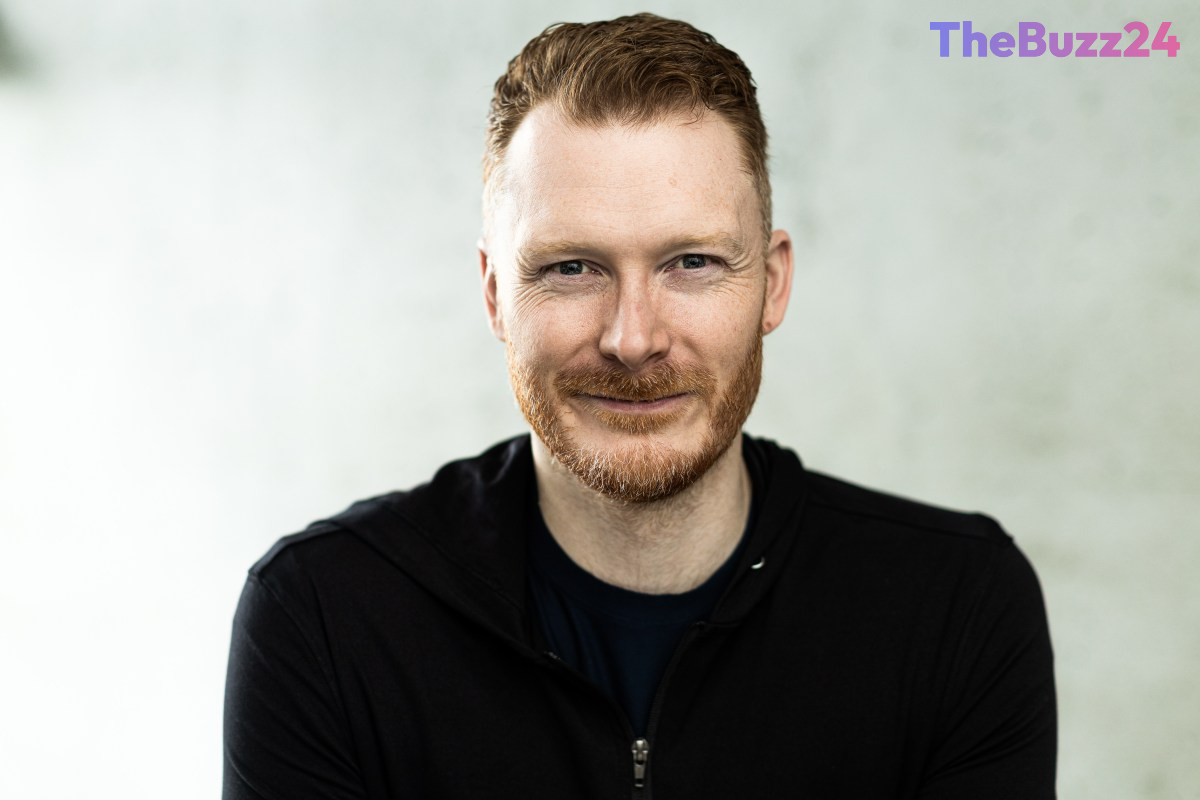
Ian Crosby, the co-founder of the now-defunct Bench Accounting, is launching a new venture called Synthetic, which has successfully raised $10 million in a seed funding round. The investment was led by Khosla Ventures, with participation from Basis Set Ventures and Shopify CEO Tobias Lütke. Synthetic aims to completely automate the bookkeeping process, developing a fully autonomous artificial intelligence system capable of generating accrual-based financial statements without any human intervention.
The funding comes despite the rocky history of Crosby’s previous startup, Bench Accounting, which shut down in 2024 before its assets were acquired. While some investors might hesitate to back a founder with a recent business failure, Khosla Ventures partner Jon Chu expressed a strong belief in Crosby’s potential for growth. Chu drew comparisons to Parker Conrad’s successful transition from Zenefits to Rippling, noting that controversial situations often present unique opportunities overlooked by conventional market consensus.
Synthetic’s product is currently in its conceptual and design phases, and Crosby admits that achieving full autonomy is a highly ambitious goal given current technological constraints. However, he remains committed to delivering a purely AI-driven service rather than a hybrid model that relies on human oversight. Following his departure from Bench in 2021—which occurred after he rejected a $250 million acquisition offer from Brex—Crosby founded Teal, an accounting startup incubated at Shopify that was acquired by Mercury within 18 months. With Synthetic, Crosby is doubling down on a vision of software-only financial management.
Key Takeaways
- Ian Crosby's new startup, Synthetic, raised $10 million in seed funding led by Khosla Ventures to build a fully autonomous AI bookkeeping system.
- The venture is being backed despite the 2024 shutdown of Crosby's previous company, Bench Accounting, and his controversial departure from it in 2021.
- Unlike traditional hybrid accounting services, Synthetic aims to operate entirely without human accountants, focusing solely on software-driven financial statements.
Editor’s Analysis & Impact
The $10 million seed round for Synthetic highlights a growing trend in Silicon Valley: the willingness of venture capitalists to bet on experienced, albeit controversial, founders pursuing high-risk, high-reward technological breakthroughs. By aiming for a completely autonomous AI bookkeeping system, Synthetic is attempting to disrupt a highly fragmented accounting industry that has traditionally relied on human-in-the-loop models. If successful, Synthetic could dramatically lower operational costs for small and medium-sized businesses. However, the technical hurdles of achieving 100% accuracy in financial reporting without human oversight are immense. This investment underscores a broader market belief that the next generation of enterprise software will be entirely agentic, shifting from tools that assist humans to systems that replace workflows entirely.
Frequently Asked Questions
Q: What is Synthetic's main goal?
A: Synthetic aims to develop a fully autonomous AI bookkeeping system that can generate accrual-based financial statements without any human intervention.
Q: Who are the primary investors in Synthetic's seed round?
A: The $10 million seed round was led by Khosla Ventures, with additional participation from Basis Set Ventures and Shopify CEO Tobias Lütke.
Q: What happened to Ian Crosby's previous company, Bench Accounting?
A: Bench Accounting ceased operations in 2024 and its assets were subsequently acquired, following Crosby's departure from the company in 2021.
AI Disclosure: This article is based on verified data and official reports. Our Team and AI have cross-referenced every financial detail with primary sources to ensure total accuracy.
More from this Category