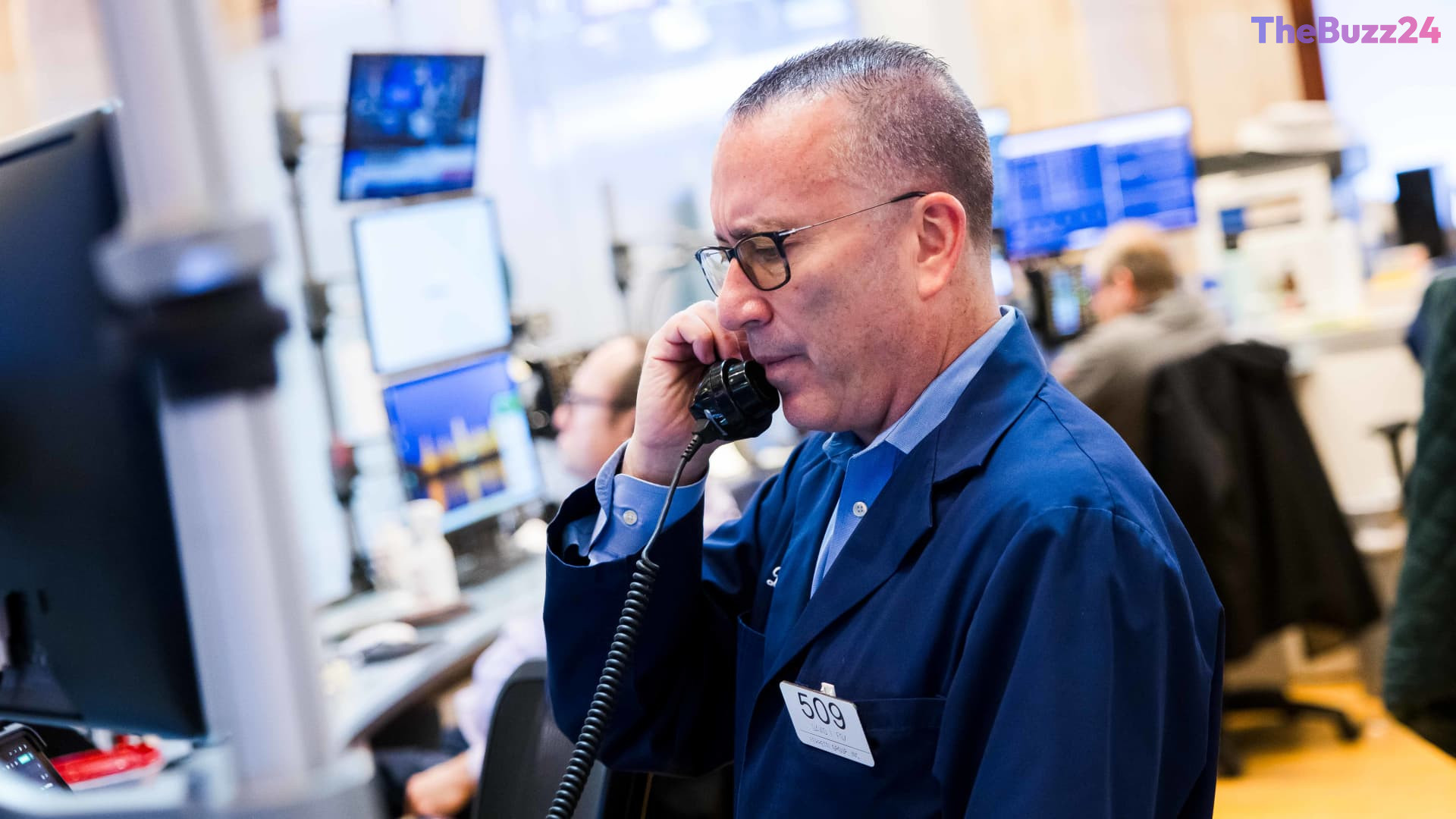
Wall Street Pauses Historic Rally as Investors Brace for Crucial Earnings and Yield Pressures
After a remarkable seven-week streak of gains that propelled major indices to unprecedented heights, U.S. stock futures have entered a period of quiet consolidation. Market participants are temporarily stepping back from the buying frenzy to recalibrate their portfolios ahead of a highly anticipated week of corporate earnings. Financial results from heavyweight corporations such as Nvidia, Walmart, and Target are set to act as a critical barometer for consumer health and the viability of current stock valuations.
This pause in upward momentum comes on the heels of rising global sovereign bond yields, which have begun to exert pressure on equity markets. Yield increases in the United States, the United Kingdom, and Japan have particularly impacted the high-growth technology sector, which is highly sensitive to borrowing costs. These rising yields reflect deepening anxieties that stubborn inflationary pressures could compel the Federal Reserve and other central banks to maintain elevated interest rates for a longer duration than previously anticipated.
Adding to the domestic economic headwinds are escalating geopolitical tensions in the Middle East, particularly involving Iran, which continue to keep energy markets volatile. Elevated crude oil prices are complicating the global inflation outlook, presenting a challenge for central bankers. As G7 finance ministers gather in Paris, discussions are expected to center heavily on securing energy supply chains and mitigating the economic fallout from regional conflicts.
Technical indicators suggest that the broader market may be entering a necessary cooling-off phase, characterized by heightened cross-asset volatility and slowing momentum in tech stocks. The ultimate direction of the market in the coming weeks will largely depend on whether corporate balance sheets can demonstrate resilience against a backdrop of tightening monetary policy and macroeconomic uncertainty.
Key Takeaways
- U.S. stock futures are consolidating as investors shift focus to pivotal quarterly earnings from major players like Nvidia, Walmart, and Target.
- Escalating global bond yields and persistent inflation worries are weighing heavily on tech stocks and testing the market's recent upward momentum.
- Geopolitical risks and volatile oil prices remain key concerns, prompting G7 leaders to prioritize energy supply security.
Editor’s Analysis & Impact
The current market pause represents a critical transition from momentum-driven optimism to fundamental valuation testing. Nvidia’s upcoming earnings report stands out as the ultimate litmus test for the artificial intelligence boom that has fueled much of the recent rally. If these corporate giants fail to deliver stellar results that justify their premium valuations, we could see a swift rotation out of growth equities, potentially triggering a broader market correction. Conversely, strong earnings could reassure investors and propel indices past current resistance levels. However, the overarching threat remains the bond market; if yields continue to climb due to sticky inflation, the resulting pressure on equity multiples will limit upside potential, making monetary policy the ultimate arbiter of market direction for the rest of the year.
Frequently Asked Questions
Q: Why do rising global bond yields pose a threat to technology stocks?
A: Higher bond yields increase the risk-free rate of return, making equities—especially high-growth tech stocks with valuations based on projected future cash flows—less attractive. Additionally, higher yields signal elevated borrowing costs, which can squeeze corporate profit margins.
Q: What makes this particular earnings week so critical for the market?
A: This week features reports from diverse industry leaders, including tech giant Nvidia and retail bellwethers Walmart and Target. Together, their results will provide a comprehensive look at both enterprise spending on technology and the resilience of the consumer in the face of inflation.
AI Disclosure: This article is based on verified data and official reports. Our Team and AI have cross-referenced every financial detail with primary sources to ensure total accuracy.
More from this Category