LIRR Strike Enters Second Day as Governor Calls for Urgent Resolution
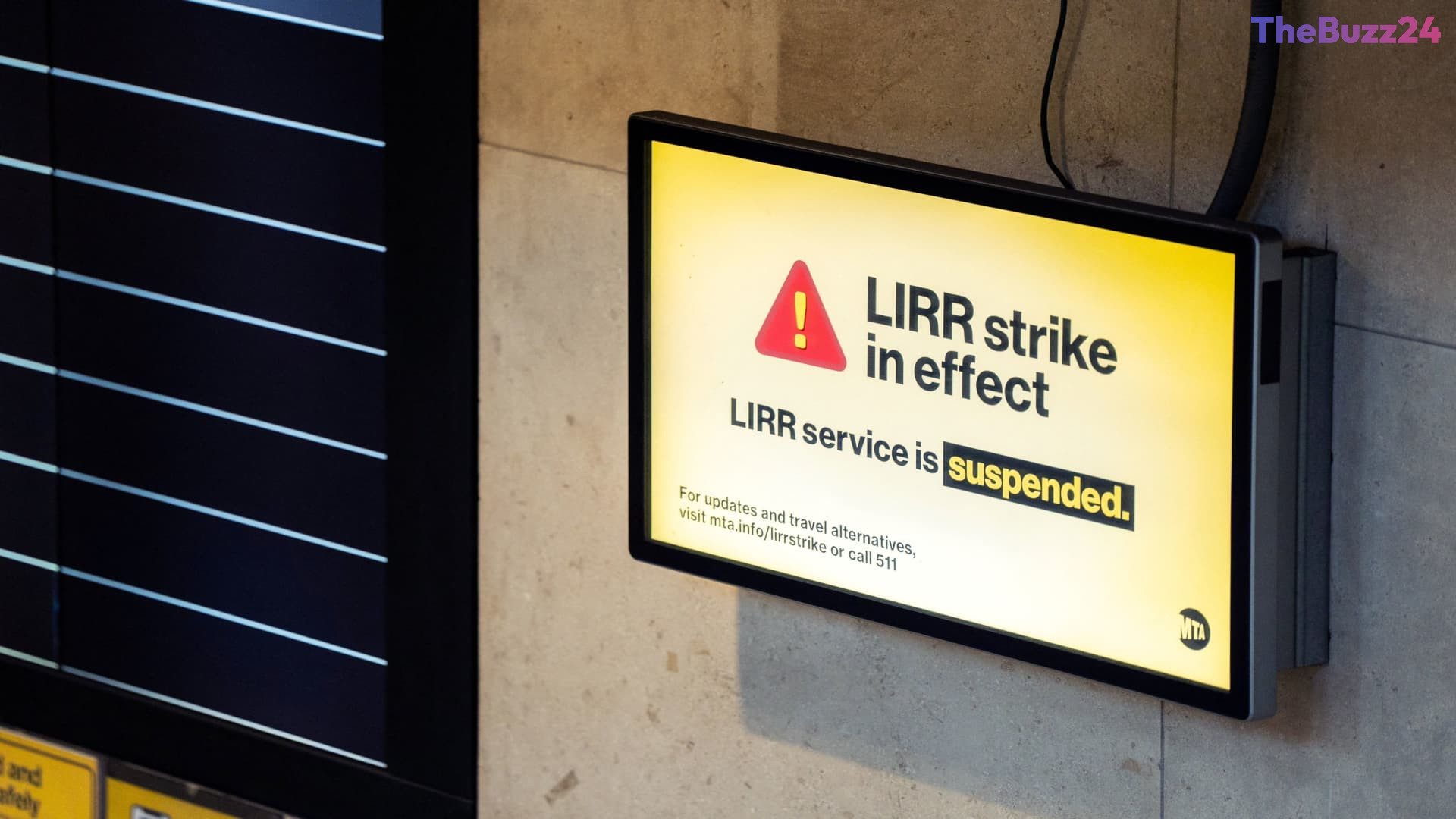
The Long Island Rail Road (LIRR) remains paralyzed as a labor dispute enters its second day, forcing hundreds of thousands of commuters to seek alternative travel arrangements. Governor Kathy Hochul has issued a stern call for the Metropolitan Transportation Authority (MTA) and union leadership to return to the bargaining table immediately, emphasizing that the ongoing work stoppage is unsustainable for the region’s economy and daily operations.
At the heart of the conflict are five unions representing nearly half of the railroad’s workforce, who are currently at odds with the MTA over wage adjustments and healthcare contributions. Union representatives contend that current compensation packages fail to account for the rising cost of living in the New York metropolitan area. Conversely, the MTA maintains that the unions’ demands are fiscally irresponsible and would necessitate significant fare increases for riders if met in full.
To manage the fallout, officials have deployed emergency bus services to assist essential workers attempting to reach Manhattan. Furthermore, the Governor has urged businesses across the region to adopt remote work policies where possible, noting that existing infrastructure cannot accommodate the sudden influx of commuters displaced by the rail shutdown. With no formal negotiations currently on the calendar, the region faces mounting logistical challenges as the transit void continues to disrupt daily life and major events.
Key Takeaways
- The LIRR strike has entered its second day, marking the most significant transit disruption for the network in thirty years.
- Core disagreements involve salary increases and healthcare contributions, with both the MTA and unions remaining far apart on a compromise.
- Emergency measures, including supplemental bus routes and remote work recommendations, have been activated to mitigate the impact on commuters.
Editor’s Analysis & Impact
The LIRR strike serves as a critical stress test for regional transit infrastructure and labor relations in high-cost urban environments. The standoff highlights the growing tension between public sector unions seeking inflation-adjusted wages and transit agencies facing severe budgetary constraints. If this impasse persists, the economic ripple effects will extend beyond simple commuting delays, potentially impacting local business productivity and the viability of major events in New York City. The long-term implication is a potential shift in how transit authorities negotiate labor contracts, likely moving toward more automated or performance-based models to avoid such catastrophic service interruptions. Furthermore, this event underscores the fragility of reliance on a single transit artery and may accelerate the push for more diversified, redundant transportation infrastructure in the tri-state area.
Frequently Asked Questions
Q: What is the primary cause of the LIRR strike?
A: The strike is driven by a dispute between the MTA and five labor unions regarding salary increases and the structure of healthcare premium contributions.
Q: What alternatives are available for commuters during the shutdown?
A: Authorities have implemented emergency bus services for essential workers and are strongly encouraging employers to allow staff to work remotely to reduce the strain on alternate transit routes.
AI Disclosure: This article is based on verified data and official reports. Our Team and AI have cross-referenced every financial detail with primary sources to ensure total accuracy.
More from this Category