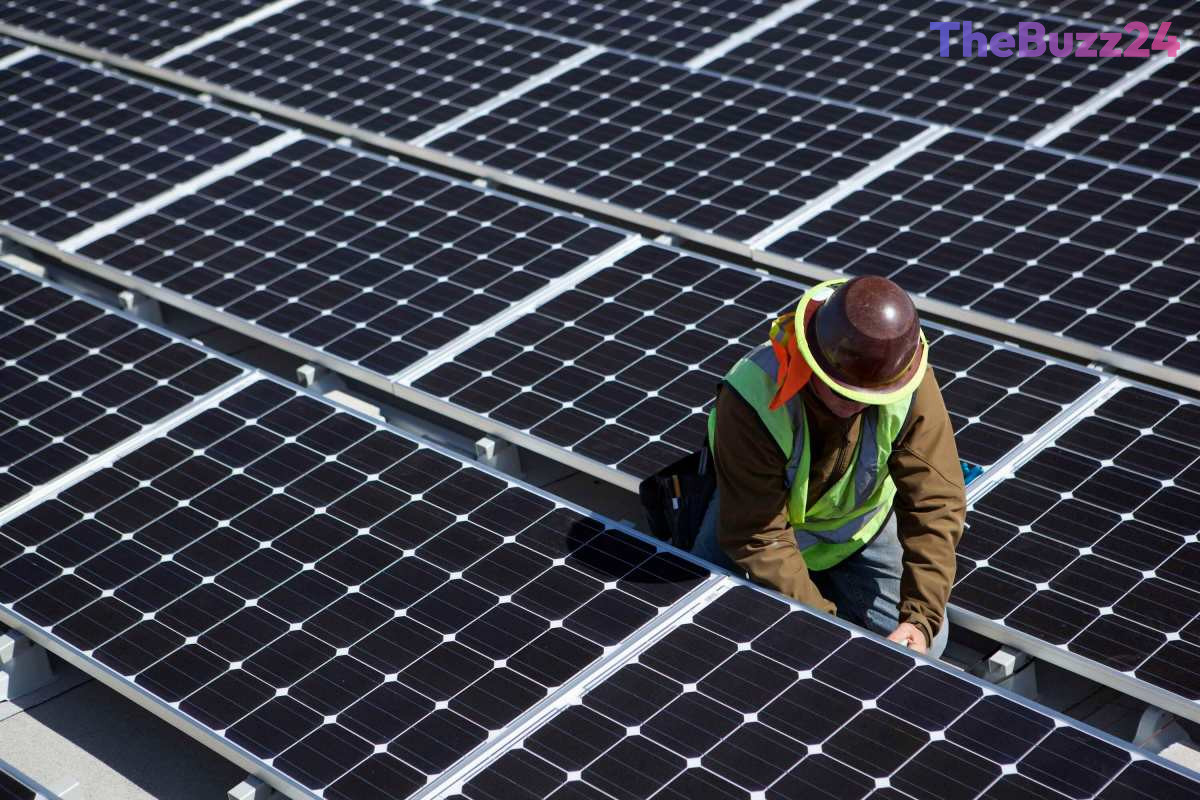
The Solar Surge: Navigating the Path to a Renewable-Dominated Energy Future
Solar energy is rapidly ascending to become the dominant force in global electricity production, with projections indicating it could surpass traditional fossil fuels within the next decade. This shift is largely propelled by the dramatic decline in manufacturing costs for photovoltaic technology and a surge in industrial adoption. As installed capacity continues to climb, the economic efficiency of solar power is making it an increasingly attractive alternative to coal and natural gas, fundamentally altering the global energy landscape.
Despite this momentum, the rapid expansion of artificial intelligence and the proliferation of energy-intensive data centers pose a significant hurdle. These facilities demand constant, uninterrupted power, which currently keeps fossil fuels relevant in the energy mix. Projections suggest that even with aggressive solar growth, fossil fuels may still provide more than half of the incremental power needed for data centers through 2050, highlighting the complex tension between rapid technological advancement and environmental sustainability.
To address these reliability concerns, the energy sector is aggressively scaling up grid-level storage solutions. Battery technology is mirroring the cost-reduction trends once seen in solar, with capacity expected to triple by 2035. Additionally, the industry is diversifying its approach by integrating geothermal and nuclear power, alongside hybrid plants that combine solar arrays with large-scale battery storage to ensure consistent output regardless of weather conditions.
Beyond the technical transition, the move toward renewables is reshaping geopolitical strategies. Nations are increasingly viewing the shift to clean energy as a pathway to energy independence. By fostering domestic renewable infrastructure, countries are reducing their vulnerability to foreign energy markets, setting the stage for a more autonomous and diversified global power grid.
Key Takeaways
- Solar power is on track to become the world's primary electricity source by 2035 due to falling costs and increased industrial adoption.
- The rise of AI and data centers creates a persistent demand for 24/7 power, which continues to sustain reliance on fossil fuels.
- Grid-scale battery storage and hybrid power plants are essential to bridging the reliability gap as the world transitions away from traditional energy sources.
Editor’s Analysis & Impact
The transition to a renewable-heavy grid represents one of the most significant economic shifts of the 21st century. While the plummeting cost of solar is a clear market victory, the ‘AI-energy paradox’—where the growth of digital infrastructure threatens to stall decarbonization—is a critical bottleneck. The industry’s pivot toward hybrid storage and alternative baseload sources like nuclear and geothermal suggests that the next decade will be defined by integration rather than just raw capacity growth. Investors and policymakers should focus on the storage sector, as battery technology is now the primary enabler of the energy transition. Ultimately, the move toward renewables is no longer just an environmental imperative; it is a strategic geopolitical necessity for nations seeking to insulate themselves from volatile global energy markets.
Frequently Asked Questions
Q: Why do data centers still rely on fossil fuels if solar power is becoming cheaper?
A: Data centers require consistent, 24/7 power to operate. Because solar energy is intermittent and dependent on weather conditions, fossil fuels currently provide the reliable 'baseload' power necessary to keep these facilities running without interruption.
Q: How is the shift to renewable energy affecting global politics?
A: The transition is fostering energy independence. By developing domestic renewable infrastructure, countries can reduce their reliance on foreign energy imports, thereby increasing their national autonomy and reducing exposure to global energy price volatility.
AI Disclosure: This article is based on verified data and official reports. Our Team and AI have cross-referenced every financial detail with primary sources to ensure total accuracy.
More from this Category