Geopolitical Tensions Drive Oil Prices Higher Amid Stalled Nuclear Negotiations
Global oil prices saw a significant rebound on Friday, effectively ending a three-day downward trend as markets reacted to escalating geopolitical instability involving Iran. Brent crude futures experienced a 1.9% increase, reaching $104.52 per barrel, while West Texas Intermediate futures rose by 1.5% to $97.81. This market shift was triggered by directives from Iranian leadership regarding the retention of near-weapons-grade uranium, which has cast a shadow over the potential for a diplomatic resolution to ongoing regional tensions.
The directive has introduced new complexities into international negotiations that previously appeared to be nearing a breakthrough. With the insistence on maintaining enriched uranium stockpiles, the prospect of a swift peace deal has diminished, heightening fears among investors that energy supply chains will remain constrained for the foreseeable future. The market is now bracing for a prolonged period of volatility as diplomatic channels struggle to find common ground.
Looking beyond the immediate diplomatic friction, the global energy sector is grappling with structural supply challenges. Dwindling oil stocks, coupled with an anticipated surge in summer travel demand, have placed the market in a precarious position. Industry experts suggest that a full recovery of Middle East oil production capacity may not occur until 2027, citing the extensive logistical and physical damage sustained during the current period of instability.
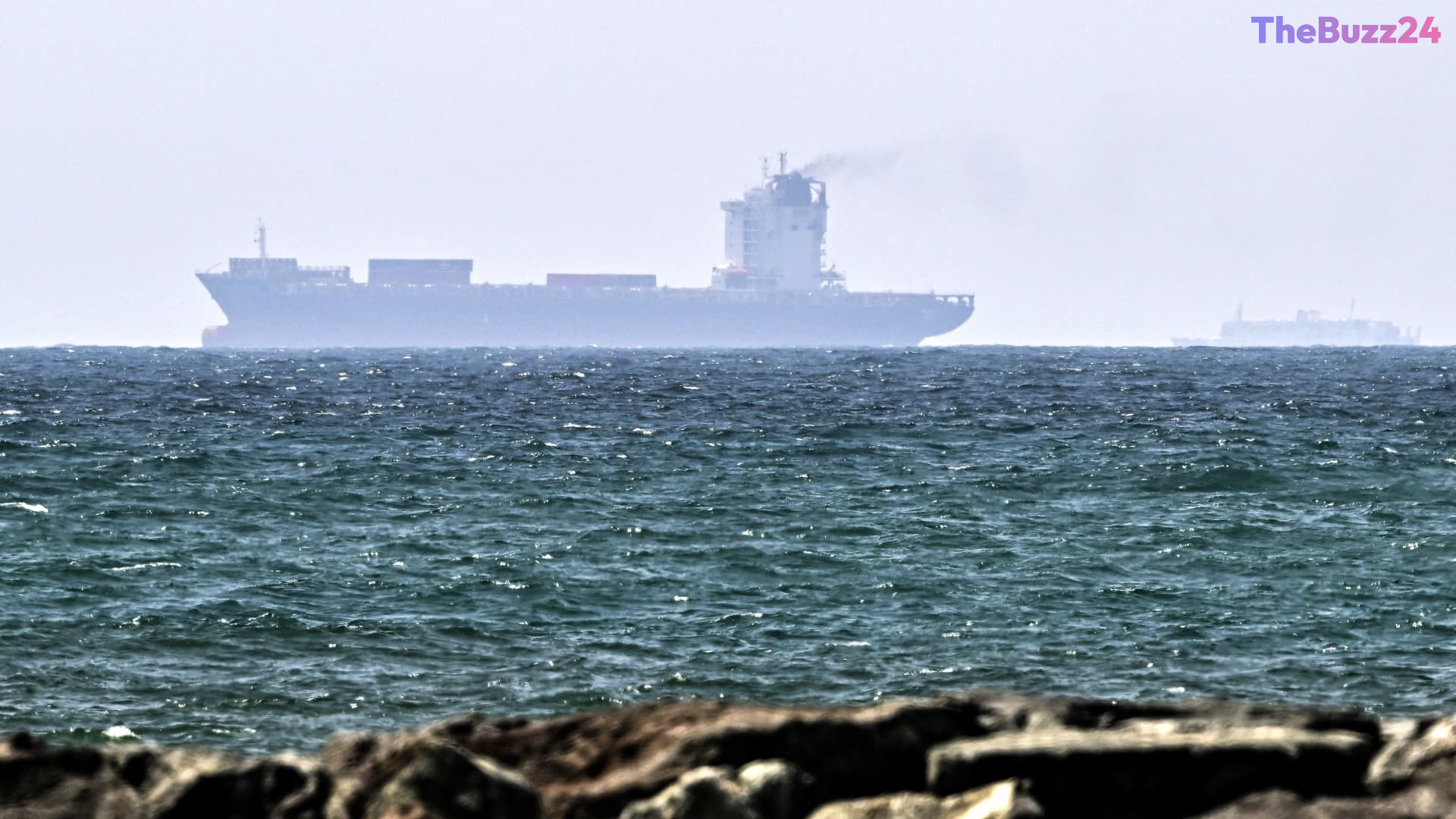
A primary concern for global energy security remains the status of the Strait of Hormuz, a critical maritime artery responsible for the transit of roughly 20% of the world’s oil and liquefied natural gas. As the region remains volatile, analysts warn that developing economies in Asia and Africa are particularly vulnerable to the resulting energy shocks, as the global market faces difficulty in offsetting the restricted flow of essential resources.
Key Takeaways
- Oil prices surged as renewed geopolitical tensions in Iran dampened hopes for a nuclear peace deal.
- The retention of near-weapons-grade uranium by Iran has complicated diplomatic efforts and increased market uncertainty.
- Global energy markets face long-term supply risks, with analysts predicting that full production normalization may not occur until 2027.
Editor’s Analysis & Impact
The recent spike in oil prices underscores the extreme sensitivity of global energy markets to geopolitical developments in the Middle East. The impasse regarding Iran’s nuclear program serves as a reminder that energy security is inextricably linked to diplomatic stability. From a market perspective, the delay in normalizing production capacity until 2027 suggests that the current ‘red zone’ of low inventory levels may persist, keeping prices elevated. Furthermore, the reliance on the Strait of Hormuz remains a systemic risk; any further escalation could trigger a supply shock that disproportionately impacts emerging markets. Investors should expect continued volatility as the market weighs the likelihood of a diplomatic breakthrough against the reality of constrained supply chains and rising seasonal demand.
Frequently Asked Questions
Q: Why did oil prices rise recently?
A: Oil prices rose due to renewed geopolitical tensions involving Iran, specifically reports that the country intends to retain near-weapons-grade uranium, which has stalled peace negotiations and raised concerns about supply disruptions.
Q: What is the significance of the Strait of Hormuz?
A: The Strait of Hormuz is a vital maritime corridor that facilitates the transit of approximately one-fifth of the world's total oil and liquefied natural gas supply, making it a critical point for global energy security.
AI Disclosure: This article is based on verified data and official reports. Our Team and AI have cross-referenced every financial detail with primary sources to ensure total accuracy.
More from this Category