Geopolitical Uncertainty Clouds Outlook for Strait of Hormuz Maritime Traffic Normalization
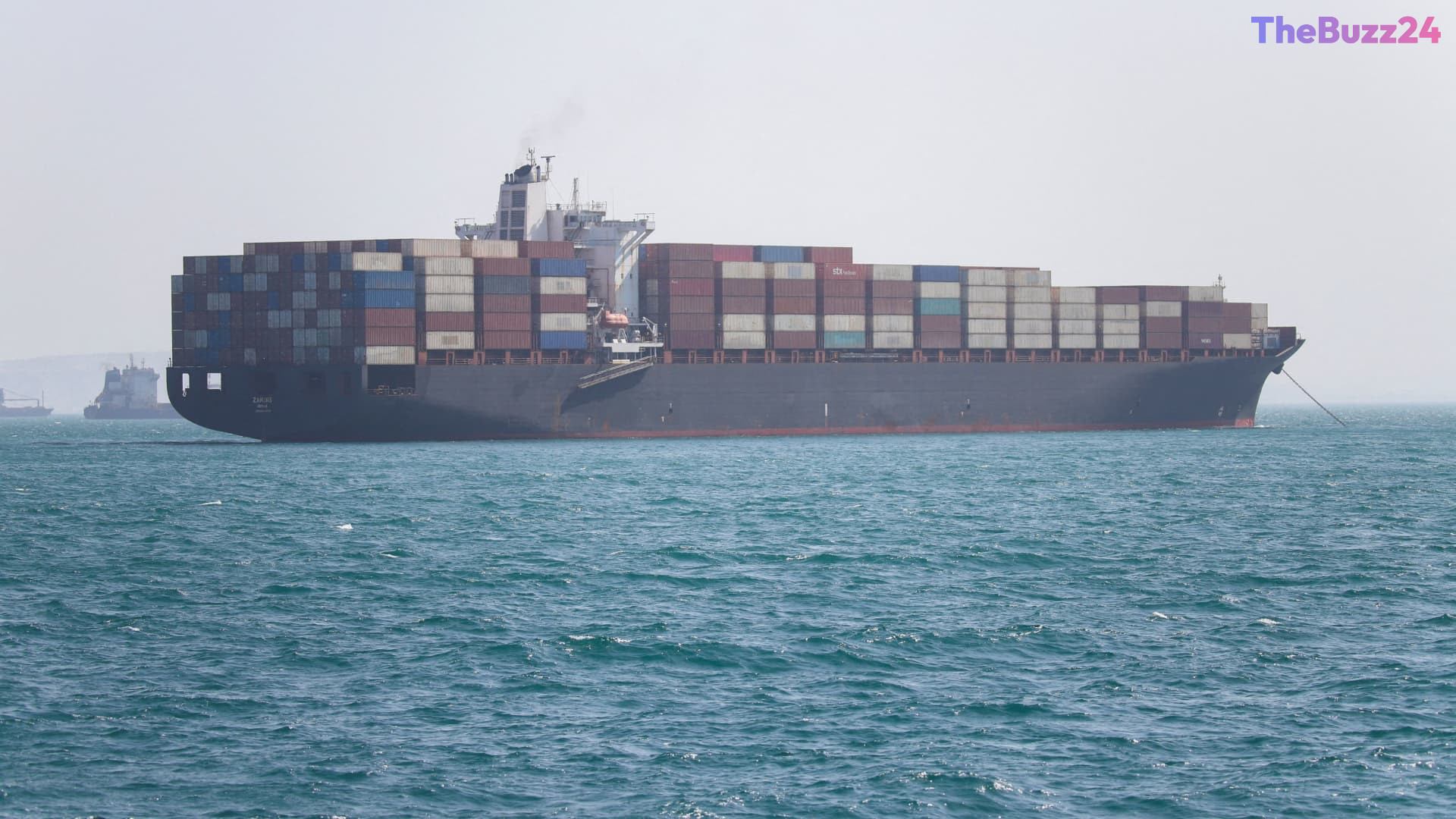
While there are claims that maritime traffic through the critical Strait of Hormuz could stabilize quickly following a potential peace agreement between Iran and the United States, market participants remain deeply skeptical. Despite suggestions of a potential diplomatic framework, the timeline for a return to pre-conflict transit levels remains highly contested and subject to significant volatility.
Current projections suggest a low probability of traffic returning to normal levels by the start of July. Using transit volume benchmarks, such as a seven-day moving average exceeding 60, the likelihood of immediate normalization has dipped significantly from recent highs. This shift reflects a cooling of expectations as the reality of complex, unverified negotiations sets in.
The White House has dismissed claims regarding the existence of a formal memorandum or agreement with Iran, adding a layer of uncertainty to the situation. While the immediate short-term outlook remains cautious, there is growing optimism for a more stable environment by August, provided diplomatic efforts show tangible and verifiable progress.
Key Takeaways
- Market confidence in immediate maritime normalization in the Strait of Hormuz has declined.
- Official denials from the White House regarding a formal agreement have fueled investor skepticism.
- While the July outlook is uncertain, traders are increasingly optimistic about a potential stabilization by August.
Editor’s Analysis & Impact
The volatility surrounding the Strait of Hormuz highlights the extreme sensitivity of global energy and shipping markets to Middle Eastern geopolitics. The discrepancy between Iranian assertions and the White House’s denials creates a credibility gap that prevents markets from pricing in a smooth recovery. For investors in energy and logistics, this uncertainty necessitates a cautious approach, as any sudden escalation could disrupt global supply chains. The shift in probability toward an August timeline suggests that while the market is not abandoning hope for a diplomatic breakthrough, it is demanding more concrete evidence before committing to a bullish outlook. Long-term stability will depend not just on a memorandum of understanding, but on verifiable, sustained increases in transit volumes.
Frequently Asked Questions
Q: What defines 'normal' maritime traffic in the Strait of Hormuz?
A: Normalcy is measured by a seven-day moving average of transit volume exceeding 60, based on IMF PortWatch data.
Q: Why is there skepticism about a July normalization?
A: Skepticism stems from the lack of a verified diplomatic framework and official denials from the U.S. government regarding any formal agreement with Iran.
AI Disclosure: This article is based on verified data and official reports. Our Team and AI have cross-referenced every financial detail with primary sources to ensure total accuracy.
More from this Category