The Growing Divide: How the K-Shaped Economy is Fueling a Food Insecurity Crisis
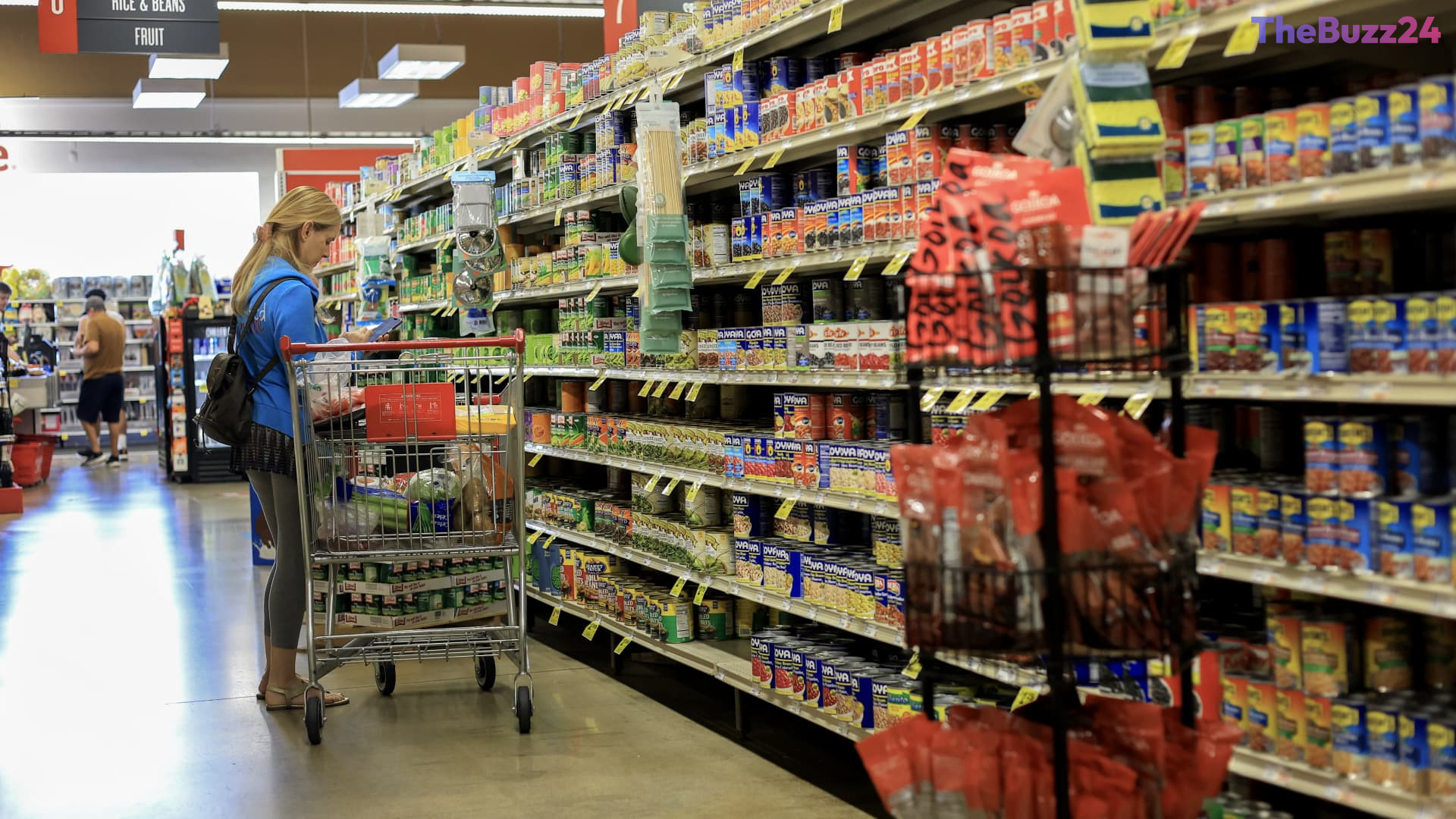
A widening economic chasm is creating a two-tiered reality for American households, as a significant portion of the population grapples with escalating food insecurity. While affluent segments of society continue to see gains from appreciating assets such as real estate and equities, low- and middle-income families are increasingly struggling to keep pace with the relentless pressure of inflation and the rising cost of essential goods.
This phenomenon, frequently characterized as a K-shaped economy, illustrates a stark divergence between those accumulating wealth and those facing mounting financial instability. Experts point to a confluence of factors driving this trend, most notably the sunsetting of pandemic-era support programs and the implementation of more stringent eligibility criteria for the Supplemental Nutrition Assistance Program (SNAP). As the costs of housing, utilities, and groceries remain elevated, many households are being forced to make difficult trade-offs, often resulting in reduced food consumption.
Because lower-income families dedicate a disproportionate share of their monthly income to basic necessities, they are uniquely vulnerable to price volatility. This ongoing financial strain is significantly eroding consumer confidence across the nation. Even as macroeconomic indicators suggest steady economic expansion, the lived experience for many remains one of decline. With households increasingly pessimistic about their financial future, the disconnect between national economic data and individual household stability continues to grow.
Key Takeaways
- A K-shaped economic recovery is creating a divide where asset owners thrive while lower-income families face deepening financial hardship.
- The expiration of pandemic-era aid and tighter SNAP eligibility requirements have exacerbated food insecurity for vulnerable populations.
- Rising costs for basic necessities like housing and groceries are causing a significant decline in consumer sentiment despite broader economic growth.
Editor’s Analysis & Impact
The emergence of a K-shaped economic environment presents a significant challenge for long-term social and political stability. While headline GDP growth and stock market performance might suggest a healthy economy, these metrics mask the precarious reality faced by a large segment of the workforce. The reliance on essential goods inflation as a primary driver of hardship suggests that the current economic expansion is not broad-based, potentially leading to a long-term erosion of the middle class. Looking ahead, policymakers will face increasing pressure to address the structural causes of this inequality. If the gap between asset-rich households and those living paycheck-to-paycheck continues to widen, we can expect increased volatility in consumer spending patterns and a potential shift in political priorities toward more aggressive wealth redistribution or social safety net expansion.
Frequently Asked Questions
Q: What is a K-shaped economy?
A: A K-shaped economy refers to a scenario where different sectors or groups of the population recover or grow at vastly different rates, leading to a widening gap between the wealthy and those struggling with financial hardship.
Q: Why are low-income households more affected by inflation?
A: Lower-income households spend a much larger percentage of their total income on basic necessities like food, housing, and utilities, making them highly sensitive to price increases in these specific areas compared to wealthier households.
AI Disclosure: This article is based on verified data and official reports. Our Team and AI have cross-referenced every financial detail with primary sources to ensure total accuracy.
More from this Category