French and British Forces Intercept Sanctioned Russian ‘Shadow Fleet’ Tanker
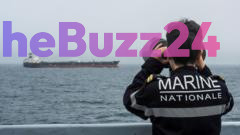
French naval authorities, supported by British military assets, successfully intercepted and boarded a Russian-linked oil tanker in the Atlantic Ocean this past Sunday. The vessel, identified as the Tagor, was detained approximately 400 nautical miles west of Brittany after maritime officials determined it was operating under a false flag. This operation marks a significant escalation in efforts to enforce international sanctions against Russia’s energy exports.
President Emmanuel Macron confirmed the boarding, emphasizing that the vessel was suspected of being part of a ‘shadow fleet’ designed to circumvent global trade restrictions. According to French officials, the tanker was operating in international waters when armed officers descended from a helicopter to secure the ship. The operation received critical aerial support from a British helicopter deployed from HMS Somerset, highlighting a coordinated effort between the two nations to disrupt the flow of revenue fueling the ongoing conflict in Ukraine.
In response to the seizure, the Kremlin condemned the action as illegal, with spokespeople characterizing the move as a form of international piracy and asserting that Russia would take necessary steps to protect its cargo. Despite these protests, French and British officials maintain that the interception was conducted in strict compliance with the law of the sea. This incident represents the fourth time since September 2025 that French authorities have boarded a vessel suspected of evading sanctions, signaling a shift from merely issuing fines to actively blocking and seizing ships that violate maritime regulations.
Key Takeaways
- French and British forces intercepted the Tagor, a Russian-linked tanker suspected of evading international sanctions.
- The vessel was operating under a false flag in the Atlantic Ocean when it was boarded by naval authorities.
- This operation is part of a broader strategy to dismantle the 'shadow fleet' used by Russia to export oil and fund its military efforts.
Editor’s Analysis & Impact
The interception of the Tagor underscores a pivotal shift in how Western nations are addressing the ‘shadow fleet’ phenomenon. By moving beyond financial penalties to direct physical seizure, France and the UK are signaling a more aggressive enforcement posture. This strategy aims to increase the operational costs and risks for entities facilitating Russian oil exports, potentially disrupting the Kremlin’s ability to fund its military operations. However, the move also heightens geopolitical tensions, as Moscow views these seizures as direct provocations. The long-term impact will likely depend on whether this coalition can sustain such resource-intensive maritime operations and whether other nations will follow suit. If successful, this could force a significant contraction in the shadow market, though it also risks creating a more volatile environment for international maritime trade and energy security.
Frequently Asked Questions
Q: What is a 'shadow fleet' in the context of Russian oil?
A: A shadow fleet refers to a collection of tankers with obscure ownership structures and often inadequate insurance, used by Russia to transport oil while evading international sanctions imposed following the 2022 invasion of Ukraine.
Q: Why was the Tagor tanker intercepted?
A: The vessel was intercepted because it was suspected of violating international sanctions and operating under a false flag, which authorities argue helps fund the war in Ukraine and poses significant maritime safety and environmental risks.
AI Disclosure: This article is based on verified data and official reports. Our Team and AI have cross-referenced every financial detail with primary sources to ensure total accuracy.
More from this Category