Celestial Spectacle: June 2026 Astronomy Highlights and Summer Solstice
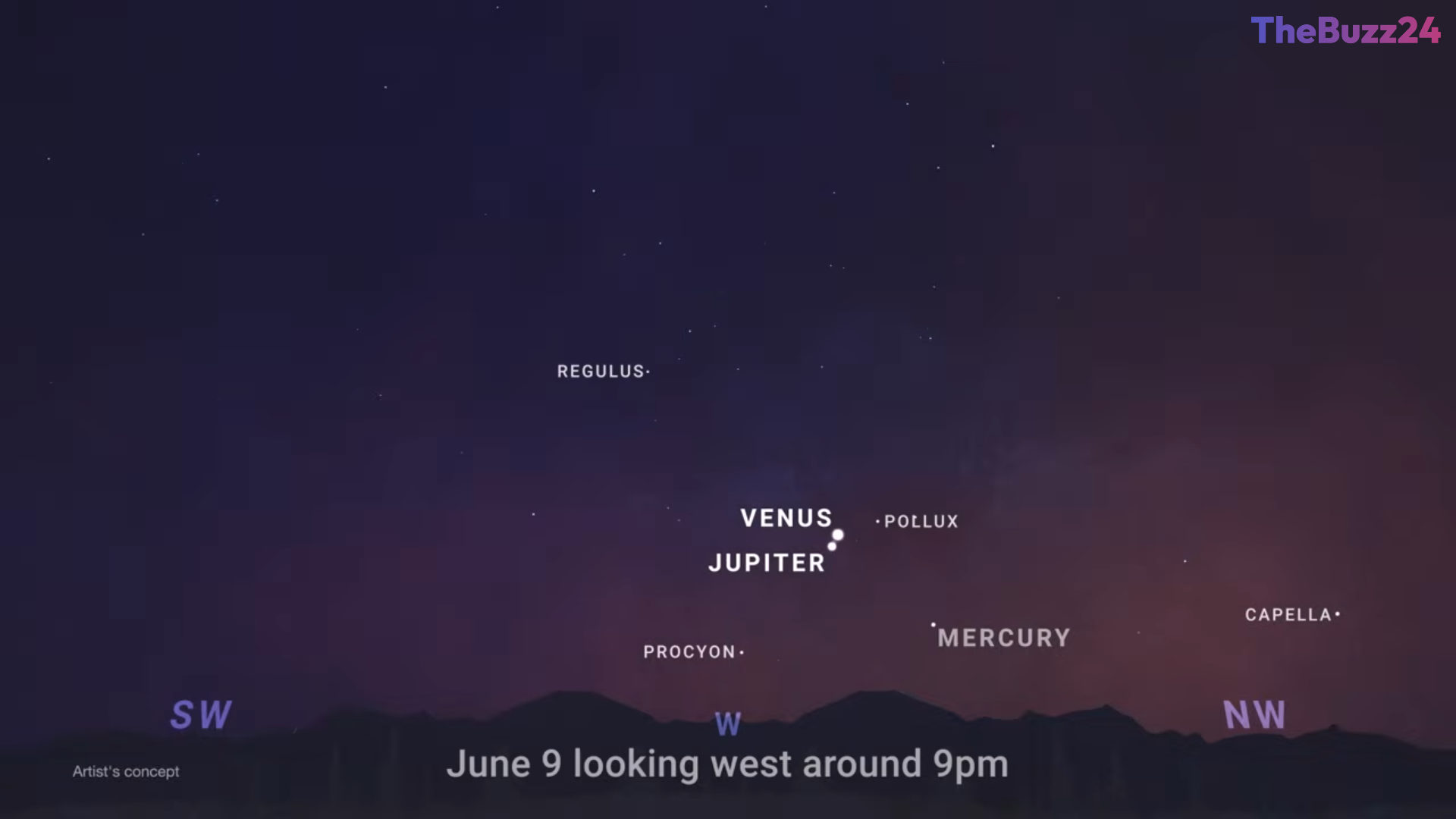
As June 2026 begins, stargazers are in for a series of remarkable celestial events, ranging from planetary alignments to the official start of the astronomical summer. Early in the month, observers looking toward the western horizon shortly after sunset will be treated to a rare conjunction of Venus and Jupiter. Around June 9, these two brilliant planets will appear to pass closely by one another, creating a striking visual display. This planetary gathering expands between June 11 and June 15, as Mercury joins the pair, forming a brief ‘parade’ of planets visible in the twilight glow.
One of the most anticipated events occurs on June 17, when the Moon passes directly in front of Venus in a phenomenon known as a lunar occultation. While viewers in specific regions across the United States, Canada, Brazil, and Venezuela may witness the planet temporarily vanish behind the lunar disk, others will see a remarkably close pairing. Experts emphasize that because this event may occur during daylight hours in some locations, observers must exercise extreme caution. It is vital to avoid pointing binoculars, telescopes, or cameras toward the sun without professional-grade solar filters to prevent permanent eye damage.
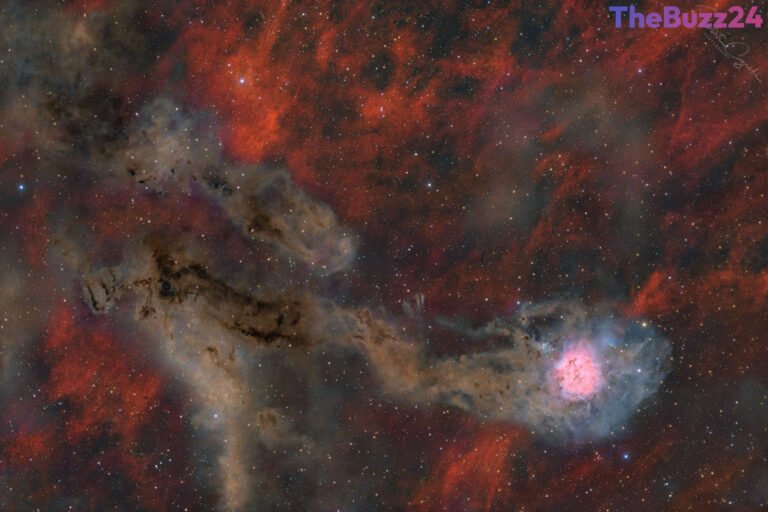
The month also marks the arrival of the summer solstice on June 21, signaling the beginning of astronomical summer in the Northern Hemisphere. This date brings the longest day and shortest night of the year. Interestingly, the solstice does not perfectly align with the earliest sunrise or latest sunset, a quirk of orbital mechanics that varies by geographic location. As the nights grow shorter, the sky offers a perfect backdrop for viewing the Summer Triangle, composed of the stars Vega, Altair, and Deneb. This region is a treasure trove for astrophotographers and telescope enthusiasts, housing iconic deep-sky objects such as the Ring Nebula and the Dumbbell Nebula, which showcase the remnants of dying stars and active stellar nurseries.
Key Takeaways
- Venus, Jupiter, and Mercury will form a visible planetary parade in the western sky during the first half of June.
- A lunar occultation of Venus will occur on June 17, requiring strict solar safety precautions for those observing during daylight hours.
- The summer solstice on June 21 marks the longest day of the year in the Northern Hemisphere, providing excellent conditions for viewing deep-sky nebulae.
Editor’s Analysis & Impact
The June 2026 celestial calendar highlights the enduring public interest in amateur astronomy and the accessibility of space observation. These events serve as a bridge between professional astrophysics and public engagement, fostering a deeper appreciation for orbital mechanics and stellar evolution. From an industry perspective, the rise in interest regarding deep-sky objects like the Dumbbell Nebula continues to drive demand for consumer-grade astrophotography equipment and high-end optics. As technology makes long-exposure imaging more accessible to hobbyists, we expect a surge in high-quality user-generated content that further democratizes space science. Looking ahead, the alignment of these events with the summer solstice provides a unique opportunity for educational outreach, emphasizing the importance of solar safety and the scientific value of tracking planetary movements.
Frequently Asked Questions
Q: What is a planetary conjunction?
A: A planetary conjunction occurs when two or more planets appear to be very close to each other in the sky from our perspective on Earth, even though they remain millions of miles apart in space.
Q: Why is it dangerous to look at the Moon occultation during the day?
A: Because the event may occur while the sun is still high in the sky, using optical equipment like binoculars or telescopes without proper solar filters can focus intense sunlight into your eyes, causing immediate and permanent damage.
AI Disclosure: This article is based on verified data and official reports. Our Team and AI have cross-referenced every financial detail with primary sources to ensure total accuracy.
More from this Category