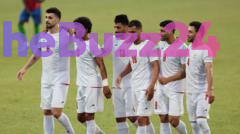
Diplomatic Tensions Flare as Iran Accuses U.S. of Blocking World Cup Staff
The lead-up to the 2026 FIFA World Cup has been marred by a diplomatic dispute between Iran and the United States. While U.S. officials confirmed that visas were granted to Iranian players and essential support personnel, Iranian authorities have publicly accused Washington of engaging in politically motivated interference. According to the Iranian embassy in Turkey, a significant portion of the team’s managerial, executive, and technical staff were denied entry, a move Tehran has labeled as discriminatory and a ‘whitewash’ of the actual situation.
U.S. officials have maintained a firm stance regarding the vetting process, emphasizing that the visa system will not be exploited to allow individuals with ties to restricted entities to enter the country. Secretary of State Marco Rubio recently informed lawmakers that members of the Iranian delegation associated with the Islamic Revolutionary Guards—a branch of the Iranian armed forces—would be barred from entry. This scrutiny is particularly sensitive given that several players in the Iranian squad have completed mandatory military service with the organization.
This controversy marks a historic tension for the tournament, as the 2026 World Cup, hosted by the U.S., Canada, and Mexico, represents the first time a host nation will welcome a team from a country with which it is currently at war. As Iran prepares for its opening match in Los Angeles on June 15, the Iranian football federation has called on FIFA to intervene, claiming the denial of visas for key technical advisers undermines the integrity of the competition.
Key Takeaways
- Iran has accused the U.S. of politically motivated visa denials for its World Cup support staff.
- The U.S. government has explicitly barred individuals linked to the Islamic Revolutionary Guards from entering the country.
- This tournament marks a unique geopolitical challenge as the U.S. hosts a national team from a country it is currently at war with.
Editor’s Analysis & Impact
The intersection of international sports and geopolitical conflict creates a complex environment for the 2026 World Cup. By hosting a nation with which it has no formal diplomatic relations and is currently in a state of conflict, the U.S. faces a delicate balancing act between maintaining national security protocols and upholding the spirit of international athletic competition. The decision to bar individuals with ties to the Islamic Revolutionary Guards signals that the U.S. is prioritizing internal security over the potential for diplomatic optics. Moving forward, this situation sets a precedent for how host nations might handle ‘enemy’ delegations in future global events, likely leading to more stringent vetting processes and potential friction with international governing bodies like FIFA, which generally advocates for the separation of politics and sport.
Frequently Asked Questions
Q: Why were some Iranian staff members denied visas for the 2026 World Cup?
A: The U.S. government denied visas to certain staff members due to their alleged ties to the Islamic Revolutionary Guards, which the U.S. considers a security concern.
Q: Has FIFA intervened in the visa dispute?
A: Iranian embassy officials have formally requested that FIFA intervene, though the governing body's ability to override sovereign visa policies remains limited.
AI Disclosure: This article is based on verified data and official reports. Our Team and AI have cross-referenced every financial detail with primary sources to ensure total accuracy.
More from this Category