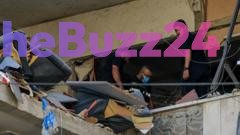
Tensions Escalate in Beirut Following Targeted Israeli Air Strikes
A series of Israeli air strikes hit the Dahieh district of Beirut on Sunday, resulting in at least two deaths and 17 injuries. The strikes targeted apartment buildings in a stronghold of Hezbollah, marking a significant escalation just days after a US-brokered truce was intended to stabilize the region. The Israeli military stated that the operation was a direct response to projectiles fired from Lebanon into Israeli territory, characterizing the targeted sites as terrorist infrastructure.
This latest military action has drawn sharp condemnation from Iranian officials, who have vowed a ‘painful response’ to the aggression. The strikes represent the third time the Lebanese capital has been targeted since the ceasefire agreement was nominally put into effect. Despite ongoing diplomatic efforts led by the United States to prevent a wider conflict, the situation remains volatile as both sides continue to trade accusations of ceasefire violations.
Political friction persists regarding the long-term viability of the peace process. Lebanese leadership, including Parliament Speaker Nabih Berri, has expressed skepticism toward the current US-brokered framework, labeling it a ‘trap’ due to the absence of provisions for an Israeli withdrawal from southern Lebanon. Meanwhile, Hezbollah continues to reject calls for disarmament, maintaining that such measures would undermine their strategic position and fulfill the objectives of their adversaries.
Key Takeaways
- Israeli air strikes in Beirut's Dahieh district killed two people and injured 17, marking a breach of the recent ceasefire.
- The strikes were framed by Israel as a retaliatory measure following projectile fire from Lebanon.
- Diplomatic efforts are under strain as Lebanese officials criticize the current peace framework for lacking terms regarding territorial withdrawal.
Editor’s Analysis & Impact
The recent strikes in Beirut underscore the fragility of the current ceasefire and the limitations of external diplomatic pressure in de-escalating the conflict. By targeting the Dahieh district, Israel is signaling that it will prioritize its security objectives over the broader, delicate peace negotiations currently being mediated by the US. The market and geopolitical implications are significant; the lack of a cohesive, enforceable agreement increases the risk of a regional spillover involving Iran, which could further destabilize energy markets and global trade routes. Moving forward, the inability of the involved parties to agree on fundamental terms—such as territorial withdrawal and the disarmament of non-state actors—suggests that the conflict is likely to remain in a state of ‘managed escalation’ rather than moving toward a durable peace.
Frequently Asked Questions
Q: Why did Israel conduct air strikes in Beirut despite the ceasefire?
A: Israel stated that the strikes were a direct response to projectiles fired from Lebanon into its territory, targeting what it identified as Hezbollah infrastructure.
Q: Why is the Lebanese government skeptical of the current peace deal?
A: Lebanese officials, including Parliament Speaker Nabih Berri, argue the deal is a 'trap' because it fails to address the withdrawal of Israeli forces from southern Lebanon.
AI Disclosure: This article is based on verified data and official reports. Our Team and AI have cross-referenced every financial detail with primary sources to ensure total accuracy.
More from this Category