SpaceX Valuation Slips Below Amazon as Post-IPO Surge Cools Off
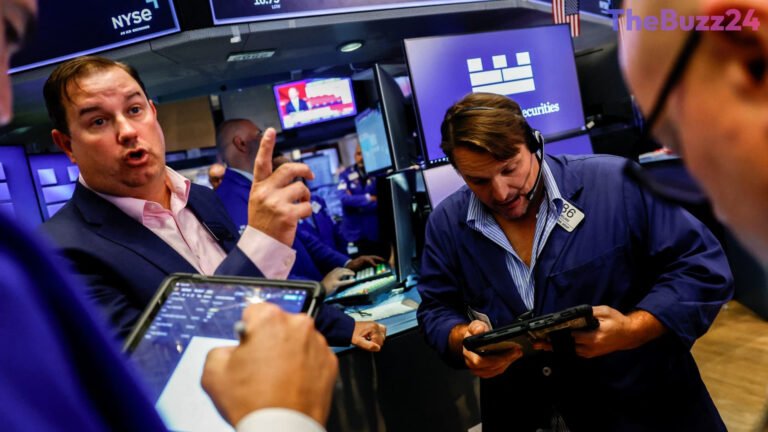
SpaceX experienced a minor setback on Thursday as its stock price dipped by 3.57%, cooling off from a massive post-IPO rally. This decline brought the aerospace giant’s market capitalization down to $2.43 trillion, positioning it just below e-commerce giant Amazon, which saw its own valuation climb to $2.63 trillion after a 2.9% gain. Despite the daily slip, SpaceX’s stock remains up an impressive 37% from its initial public offering price of $135 per share, cementing its status as one of the most valuable enterprises in the world.
The recent market fluctuations follow a historic week for the Elon Musk-led space and artificial intelligence firm. Shortly after its public debut, SpaceX’s valuation briefly eclipsed both Amazon and Microsoft. In a strategic move to bolster its corporate governance amidst this rapid growth, the company announced the appointment of Roelof Botha to its board of directors. Botha, a prominent venture capitalist and longtime associate of Musk, will serve as an independent director and join the audit committee immediately, becoming the eighth member of the board.
Despite the addition of an independent director, control of SpaceX remains heavily concentrated. Elon Musk, who serves as chairman, CEO, and chief technology officer, commands over 82% of the company’s voting rights and holds a personal stake valued at more than $1 trillion. This tight grip on governance means public shareholders have limited sway over corporate decisions. Nevertheless, investor optimism remains high, fueled in part by Musk’s recent projection on social media that the company could potentially scale to approximately $1 trillion in annual revenue by the year 2030.
Key Takeaways
- SpaceX shares fell 3.57% on Thursday, bringing its market cap to $2.43 trillion and placing it behind Amazon.
- Despite the short-term dip, the stock is still up 37% from its historic IPO debut price of $135.
- Venture capitalist Roelof Botha has joined the SpaceX board as an independent director, though Elon Musk retains over 82% of voting control.
Editor’s Analysis & Impact
The recent volatility in SpaceX’s stock highlights the intense market excitement and subsequent profit-taking that often follows high-profile tech IPOs. Briefly surpassing tech giants like Microsoft and Amazon underscores the massive premium investors are willing to place on the future of space commercialization and satellite internet infrastructure. However, the extreme concentration of voting power in Elon Musk’s hands presents a unique governance profile. While traditional public companies face pressure from activist investors, SpaceX’s structure shields Musk from outside influence, allowing him to pursue long-term, high-risk endeavors like Mars colonization. Looking forward, achieving the projected $1 trillion revenue target by 2030 will require flawless execution of Starlink’s global expansion and the rapid operationalization of the Starship launch system.
Frequently Asked Questions
Q: Why did SpaceX's market capitalization fall below Amazon's?
A: SpaceX's market cap fell to $2.43 trillion after its stock declined by 3.57% on Thursday, while Amazon's stock rose by 2.9%, pushing its valuation to $2.63 trillion.
Q: Who is the new member joining the SpaceX board of directors?
A: Roelof Botha, a longtime ally of Elon Musk, has joined the board as an independent director and a member of the audit committee.
Q: How much control does Elon Musk have over SpaceX?
A: Elon Musk maintains absolute control over the company, holding more than 82% of the voting rights and owning shares valued at over $1 trillion.
AI Disclosure: This article is based on verified data and official reports. Our Team and AI have cross-referenced every financial detail with primary sources to ensure total accuracy.
More from this Category