Supreme Court Overturns Longstanding Limits on Coordinated Political Campaign Spending
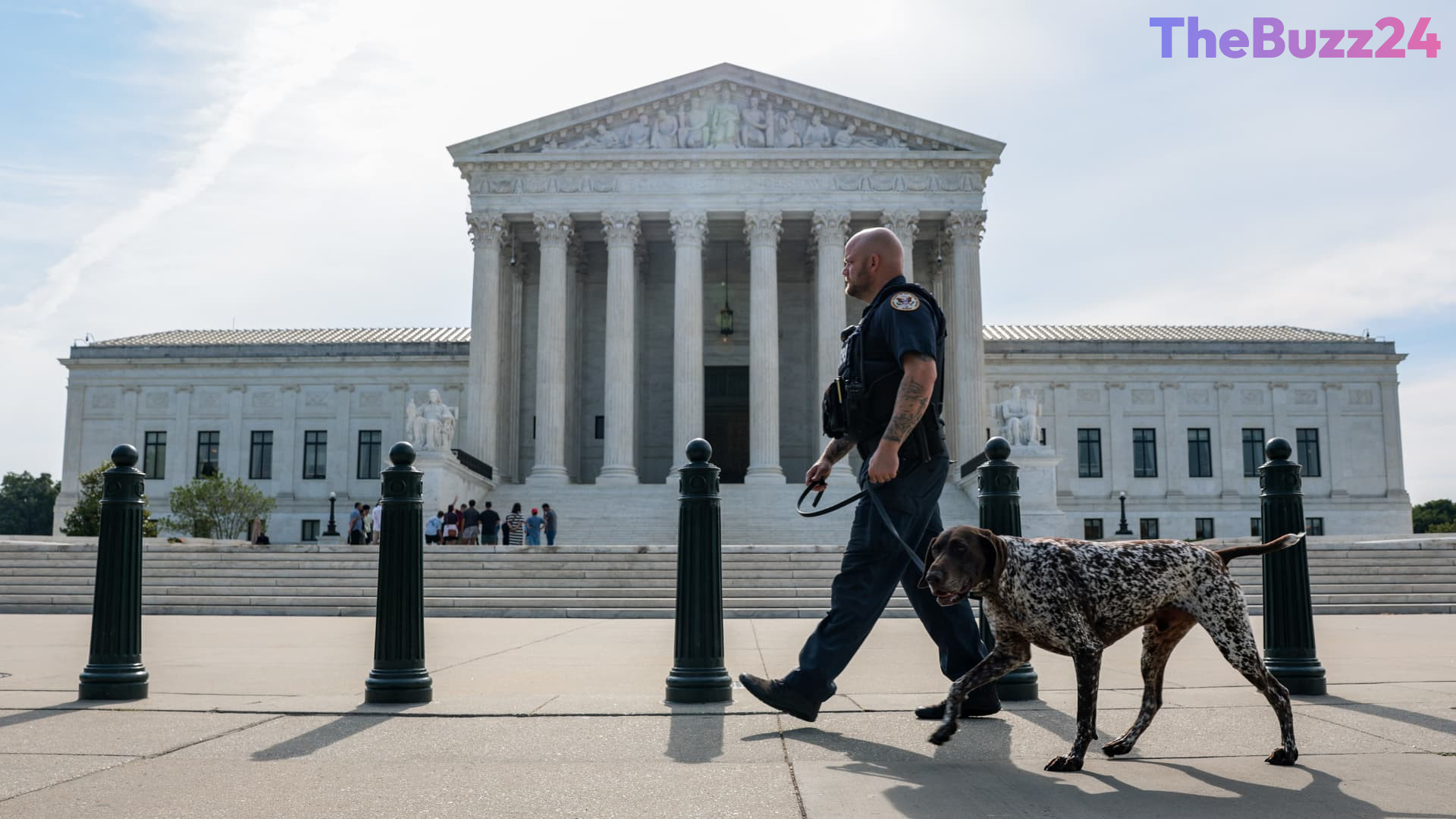
In a significant 6-3 decision, the Supreme Court has invalidated federal restrictions on the amount of money political parties can spend in coordination with candidates for office. The ruling marks a major shift in campaign finance law, effectively dismantling expenditure caps that have been enforced for decades.
The legal challenge was brought forward by Republican interests, who contended that the existing limitations on coordinated spending infringed upon First Amendment rights. By striking down these regulations, the Court has cleared the path for political parties to exert greater financial influence in support of their candidates during election cycles.
This decision reverses a legal precedent that had remained intact for over 25 years, despite previous attempts to challenge its constitutionality. The ruling was met with opposition from the Court’s liberal justices, highlighting the deep ideological divide regarding the regulation of money in politics. As a result of this judgment, the landscape of campaign financing is expected to undergo substantial changes as parties adjust their strategies for future elections.
Key Takeaways
- The Supreme Court ruled 6-3 to strike down federal limits on coordinated spending between political parties and candidates.
- The decision overturns decades-old campaign finance regulations that had previously survived legal scrutiny.
- Proponents of the challenge argued that the spending caps were an unconstitutional restriction on First Amendment rights.
Editor’s Analysis & Impact
This ruling represents a pivotal moment in American campaign finance, signaling a move toward further deregulation of political spending. By removing the ceiling on coordinated expenditures, the Court has effectively empowered political parties to play a more direct and robust role in funding and managing candidate campaigns. This shift will likely lead to a significant increase in the total volume of money flowing into federal elections, potentially altering the competitive dynamics between major parties. From an industry perspective, this decision necessitates a strategic overhaul for political action committees and party organizations as they navigate a new, less restrictive environment. The broader implication is a continued trend of judicial skepticism toward campaign finance limitations, which may invite further challenges to remaining federal election laws in the coming years.
Frequently Asked Questions
Q: What did the Supreme Court decide regarding campaign spending?
A: The Court ruled that federal limits on the amount political parties can spend in coordination with candidates are unconstitutional, effectively striking them down.
Q: How does this ruling affect future elections?
A: The decision allows political parties to spend unlimited amounts in coordination with their candidates, which is expected to increase the influence of party organizations in election campaigns.
AI Disclosure: This article is based on verified data and official reports. Our Team and AI have cross-referenced every financial detail with primary sources to ensure total accuracy.
More from this Category