Curiosity Rover Investigates Martian Geology and Shifting Weather Patterns in Gale Crater
The Curiosity rover has successfully navigated through a series of distinct geological units within Gale Crater, marking a productive period of exploration during Sols 4947 through 4953. By analyzing the composition and texture of various bedrock layers, the mission team is piecing together the environmental history of the region. Each stop this week involved rigorous contact science, utilizing the rover’s MAHLI and APXS instruments, alongside ChemCam LIBS analysis to determine the chemical makeup of the surrounding terrain.
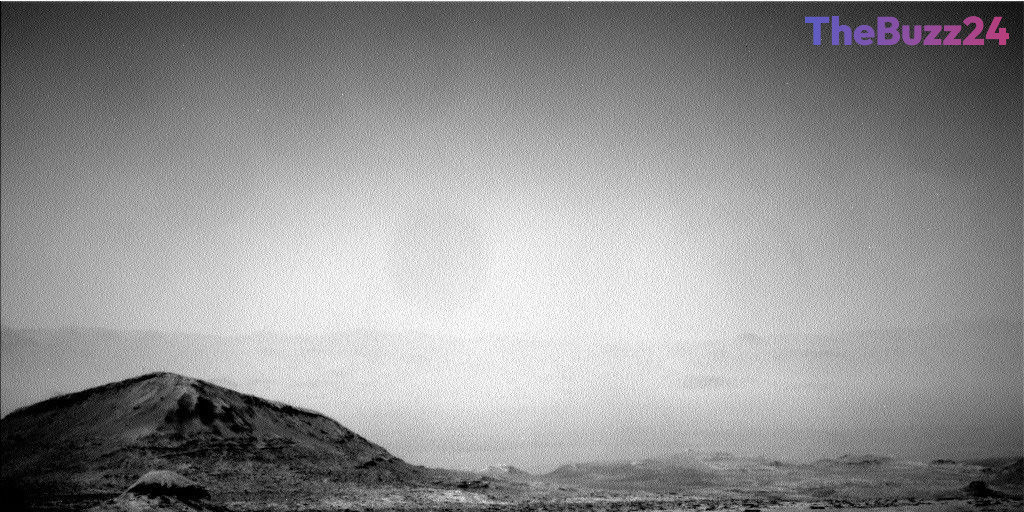
Among the findings, researchers highlighted two specific rocks that stood out due to their darker coloration compared to the surrounding landscape. These anomalies have prompted further investigation, as they may represent material transported from distant locations or potentially even meteorites. The rover’s suite of cameras, including Mastcam and Navcam, continues to provide high-resolution context for these formations, allowing scientists to study the effects of ancient erosion on the Martian surface.
Beyond geological study, the mission is actively monitoring the transition of the Martian climate. As the planet moves from summer toward autumn, the atmosphere in Gale Crater is showing signs of stabilization. Scientists are closely observing the final stages of the regional dust storm season, known as the ‘C’ storm season, while simultaneously tracking cloud formation. These observations, supported by the REMS meteorological instrument suite, are essential for maintaining a comprehensive record of the current Martian environment.
Key Takeaways
- Curiosity is actively analyzing diverse geological units in Gale Crater to understand the planet's environmental history.
- Researchers are investigating unique, dark-colored rocks that may provide evidence of external material or meteorite impacts.
- The mission is currently monitoring the transition from the dusty season to the cloudy season as Mars approaches autumn.
Editor’s Analysis & Impact
The ongoing mission of the Curiosity rover continues to provide invaluable data regarding the geological evolution and atmospheric dynamics of Mars. By focusing on both the deep-time history of Gale Crater and the immediate meteorological shifts, the mission bridges the gap between planetary formation studies and modern climate science. The ability to identify potential meteorites and analyze bedrock composition in situ demonstrates the high level of precision currently achievable in robotic exploration. As the mission progresses, the data collected will be critical for future human exploration efforts, particularly in understanding the risks posed by regional dust storms and the availability of resources. This sustained presence on the Martian surface remains a cornerstone of planetary science, offering a long-term baseline for understanding how Mars has changed over billions of years.
Frequently Asked Questions
Q: Why is the Curiosity rover studying the darker rocks found in Gale Crater?
A: The darker rocks are being studied because their composition differs significantly from the surrounding bedrock, suggesting they may have originated from elsewhere or could potentially be meteorites.
Q: What is the 'C' storm season on Mars?
A: The 'C' storm season refers to a specific time of the Martian year when mid-sized, regional dust storms are more likely to form, which the mission team monitors closely using the rover's camera systems.
AI Disclosure: This article is based on verified data and official reports. Our Team and AI have cross-referenced every financial detail with primary sources to ensure total accuracy.
More from this Category