Google Cloud Surges as Customer Spending Outpaces Commitments
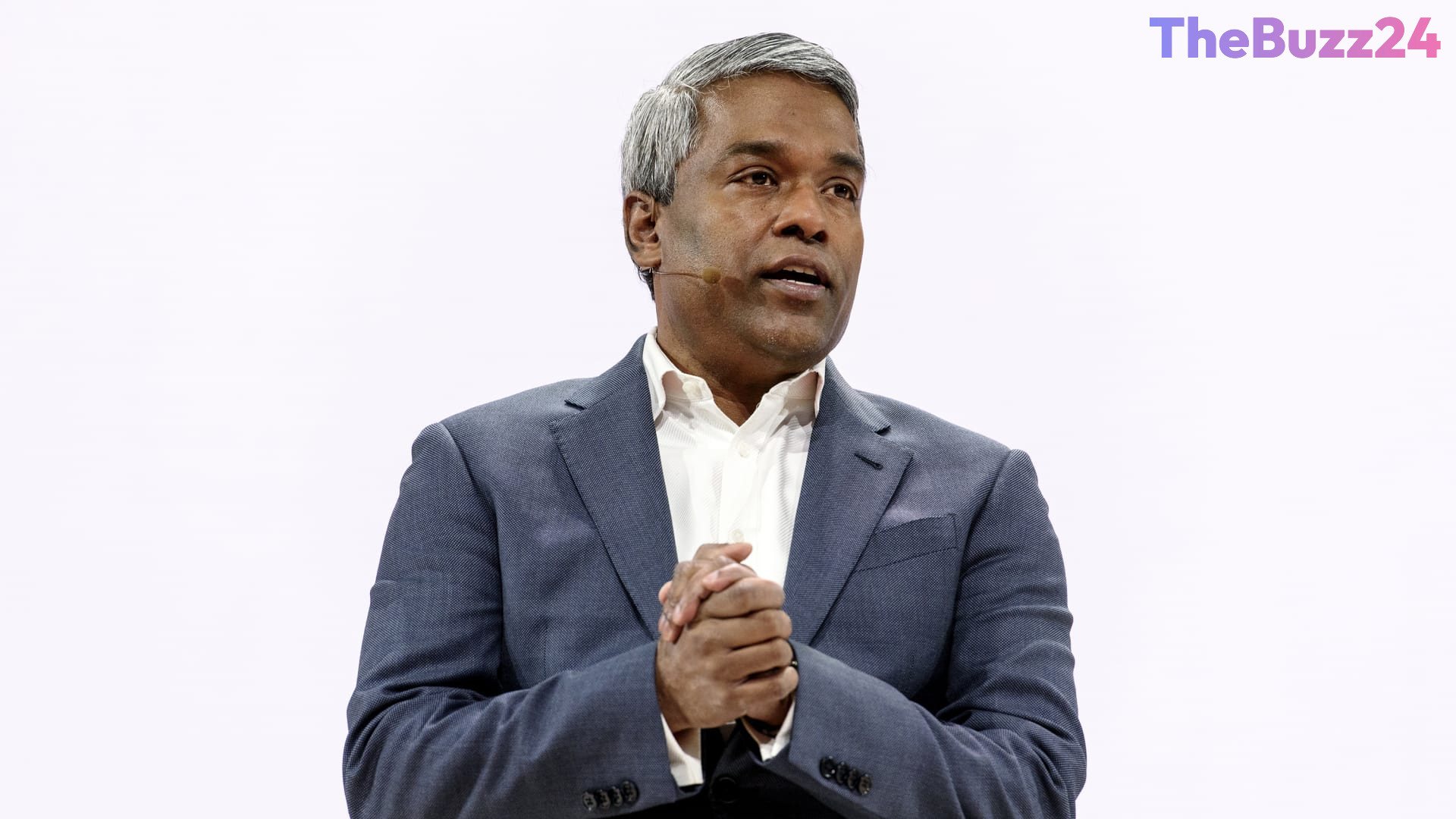
Google Cloud is experiencing a significant surge in demand, with CEO Thomas Kurian revealing that existing clients are spending approximately 50% more than their initial contractual commitments. This robust engagement has been a primary driver behind the cloud segment’s impressive 82% year-over-year revenue growth, signaling strong market adoption of the company’s expanding product portfolio.
To manage this rapid influx of demand, Google is taking the strategic step of utilizing third-party capacity providers. While this move is expected to exert temporary pressure on profit margins, leadership views it as a necessary bridge to capture market share and onboard customers who are likely to integrate further into the broader Google ecosystem. This approach has already had a ripple effect on the market, boosting the valuations of specialized cloud infrastructure providers like CoreWeave and Nebius.
Despite the operational success of the cloud division, Alphabet shares faced downward pressure as investors reacted to the company’s aggressive capital expenditure forecast. The tech giant has raised its spending projections for the year to as much as $205 billion, with the vast majority of these funds earmarked for artificial intelligence infrastructure. While shareholders remain cautious regarding the scale of these investments, Google maintains that the spending is disciplined and yielding tangible efficiency gains for enterprise clients such as Macy’s and Macquarie Bank.
Key Takeaways
- Google Cloud customers are spending 50% more than their original commitments, fueling an 82% year-over-year revenue increase.
- Alphabet has increased its annual capital expenditure forecast to $205 billion, primarily to support massive investments in AI infrastructure.
- Google is temporarily utilizing third-party cloud capacity to meet demand, a move that prioritizes customer acquisition over short-term margins.
Editor’s Analysis & Impact
The current trajectory of Google Cloud highlights a critical juncture in the ‘AI arms race.’ While the revenue growth is undeniably impressive, the market’s negative reaction to increased capital expenditure underscores a growing tension between long-term infrastructure investment and short-term profitability. Investors are increasingly skeptical of the ‘build it and they will come’ model, demanding clearer evidence of ROI. However, Google’s strategy of using third-party capacity suggests a pragmatic approach to scaling that avoids the bottleneck of internal hardware deployment. If Google can successfully convert these high-spending cloud customers into long-term users of its proprietary AI solutions, the current capital burn may be viewed as a foundational investment rather than a reckless expense. The upcoming earnings reports from Microsoft, Amazon, and Meta will be pivotal in determining whether this spending trend is an industry-wide necessity or a potential bubble in tech valuations.
Frequently Asked Questions
Q: Why is Google Cloud using third-party providers for capacity?
A: Google is using third-party providers to bridge the gap between current high demand and the time required to bring their own internal infrastructure capacity online, ensuring they do not lose potential customers.
Q: How are companies currently seeing returns on Google's AI?
A: Companies like Macy's are using Google's AI to increase shopping basket sizes, while financial institutions like Macquarie Bank are utilizing it to automate workflows and significantly reduce processing times.
AI Disclosure: This article is based on verified data and official reports. Our Team and AI have cross-referenced every financial detail with primary sources to ensure total accuracy.
More from this Category