Bordeaux Braces as Massive Wildfires Push Closer Amid Unprecedented European Heatwave
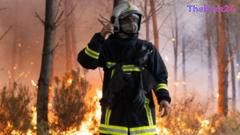
Emergency responders and local authorities in southwestern France are on high alert as a massive, fast-moving wildfire advances to within nine miles of Bordeaux. Officials have confirmed that preparations are underway to shelter large numbers of displaced individuals if mandatory evacuation orders are expanded. President Emmanuel Macron, touring the disaster-stricken Gironde region, described the ongoing crisis as the most severe wildfire emergency the nation has faced since the Second World War.
The situation remains critical across the Iberian Peninsula as well, where neighboring Spain battles extensive, uncontrolled blazes west of Madrid, marking days of a declared national emergency. In France, hundreds of thousands of residents have already been forced to flee their homes, with entire towns experiencing catastrophic property loss and tens of thousands of hectares reduced to ash. Prime Minister Sébastien Lecornu noted that the country is enduring a historic fire season, heavily exacerbated by severe human carelessness as well as intentional arson, resulting in numerous arrests over recent weeks.
Meteorologists warn that upcoming high temperatures and shifting winds could further complicate containment efforts, threatening to undo the painstaking progress achieved by firefighters on the ground. Environmental experts point to rapidly rising global temperatures and prolonged European heatwaves as primary catalysts for these intense blazes, highlighting a growing vulnerability to recurring climate-driven natural disasters across the continent.
Key Takeaways
- A massive wildfire in France's Gironde region has advanced to within nine miles of Bordeaux, prompting local authorities to prepare for potential mass evacuations.
- President Emmanuel Macron labeled the disaster the toughest wildfire season the country has seen since World War Two, with hundreds of thousands evacuated across France and Spain.
- Officials report that severe heatwaves, shifting winds, and human-caused factors are driving the unprecedented intensity of the fires.
Editor’s Analysis & Impact
The catastrophic wildfires currently ravaging France and Spain serve as a stark reminder of the escalating risks posed by climate change to southern Europe’s infrastructure, safety, and economy. As the continent continues to warm at a rate outpacing the global average, recurring extreme weather events and severe heatwaves are placing unprecedented strain on emergency management resources, local water supplies, and agricultural sectors. Looking ahead, regional governments and urban planners will need to heavily invest in advanced fire-detection technologies, robust preventative infrastructure, and stricter land-use policies to mitigate the severe economic and human toll of future climate-induced crises.
Frequently Asked Questions
Q: How close is the wildfire to Bordeaux?
A: The wildfire burning in the Gironde region has reached approximately nine miles (15 kilometers) from the city of Bordeaux, prompting local officials to prepare for potential mass evacuations.
Q: What is causing the surge in severe wildfires across Europe?
A: Experts attribute the increase in intense wildfires to a combination of severe, prolonged summer heatwaves driven by climate change, along with dry conditions and instances of human carelessness or arson.
Q: How are neighboring countries like Spain affected?
A: Spain has entered a national emergency due to raging, uncontrolled wildfires west of Madrid that have scorched tens of thousands of hectares and forced extensive evacuations.
AI Disclosure: This article is based on verified data and official reports. Our Team and AI have cross-referenced every financial detail with primary sources to ensure total accuracy.
More from this Category