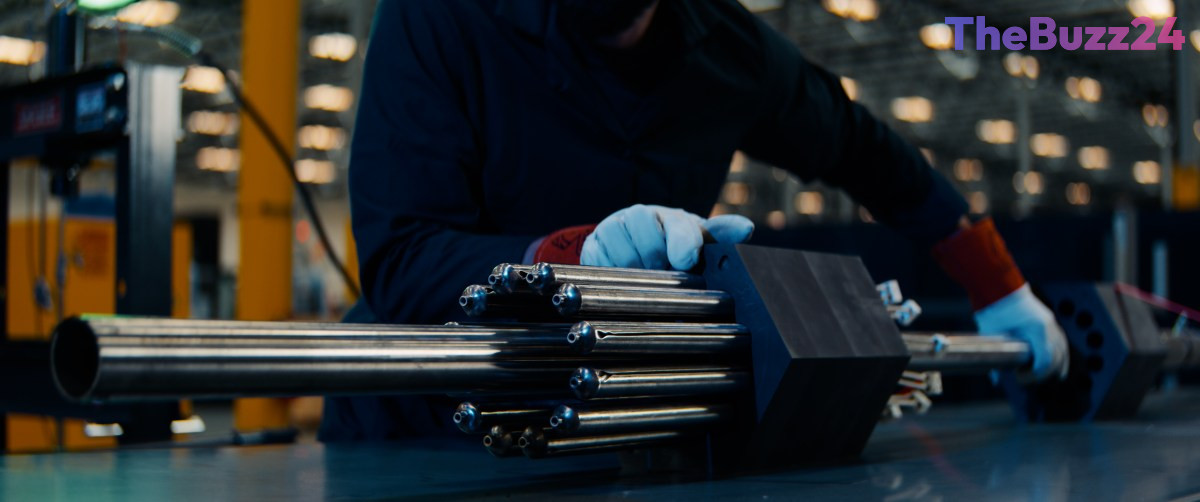
Antares Secures $470 Million to Power U.S. Military Bases with Advanced Nuclear Reactors
Antares Nuclear has successfully closed a $470 million funding round, signaling a significant milestone in the development of small modular reactors (SMRs) designed specifically for U.S. military infrastructure. The capital injection, consisting of $370 million in equity and $100 million in debt, was led by Paradigm and Caffeinated Capital, with additional support from Industrious Ventures, Point72 Ventures, and Shine Capital. This influx of capital brings the company’s total funding to over $600 million, reflecting a broader investor pivot toward advanced fission technologies.
The startup is currently developing compact reactors capable of generating between 100 kilowatts and 1 megawatt of electricity, a capacity sufficient to support approximately 750 homes. A core component of the company’s safety strategy is the use of TRISO fuel, which encases uranium in durable carbon and ceramic shells. This design is intended to prevent fuel melting at high temperatures, offering a robust alternative to traditional nuclear fuel rods. The company’s Mark-0 demonstration reactor successfully reached criticality earlier this year at the Idaho National Laboratory.
Antares is currently competing as a finalist in the Pentagon’s Advanced Nuclear Power for Installations program. The initiative aims to test SMR technology at Air Force bases in Colorado and Montana, with the company targeting a 2028 deployment date for its military-grade reactors. By focusing on the defense sector, Antares is positioning itself to bypass the immediate cost-competitiveness challenges that often plague commercial energy startups, as the military provides a stable, mission-critical environment for early-stage technology adoption.
Key Takeaways
- Antares raised $470 million to advance its small modular reactor technology for U.S. military applications.
- The reactors utilize TRISO fuel, a high-safety, heat-resistant alternative to conventional nuclear fuel.
- The company is a finalist in a Pentagon program, with plans to deploy operational units at military bases by 2028.
Editor’s Analysis & Impact
The surge in capital flowing into advanced nuclear startups like Antares highlights a critical shift in the energy landscape, driven by the massive power requirements of AI data centers and the urgent need for grid resilience. While the promise of mass-manufactured SMRs is compelling, the industry faces a ‘valley of death’ regarding supply chain maturity and initial cost-competitiveness. By targeting the U.S. military, Antares is employing a strategic ‘anchor customer’ model, which allows the company to refine its technology and prove operational viability in a high-stakes, price-insensitive environment. If successful, this could provide the necessary proof-of-concept to eventually scale into the commercial sector. However, the long-term success of this sector will ultimately depend on whether these startups can transition from bespoke demonstration projects to standardized, cost-effective manufacturing at scale within the next decade.
Frequently Asked Questions
Q: What is TRISO fuel and why is it used in these reactors?
A: TRISO (Tri-structural Isotropic) fuel consists of uranium particles encapsulated in carbon and ceramic layers. It is used because it is highly resistant to melting and radiation leakage, making it a safer alternative to traditional nuclear fuel.
Q: Why is Antares focusing on the U.S. military for its initial deployments?
A: The U.S. military is a mission-critical, price-insensitive customer. By securing defense contracts, Antares can deploy its technology in a controlled environment while overcoming the initial high costs that make SMRs currently uncompetitive in the broader commercial energy market.
AI Disclosure: This article is based on verified data and official reports. Our Team and AI have cross-referenced every financial detail with primary sources to ensure total accuracy.
More from this Category