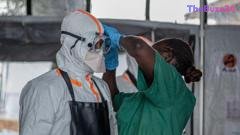
Outbreak Out of Control: Ebola Outpaces Response Efforts in Democratic Republic of Congo
The Democratic Republic of Congo (DRC) is facing a severe health crisis as a deadly Ebola outbreak continues to outpace containment efforts. International health officials have warned that response teams are struggling to catch up with the spread of the virus, which began circulating at least three months before it was officially declared on May 15. This delay in detection has allowed the virus to establish a firm foothold, resulting in over 1,960 deaths and more than 4,294 confirmed cases, making this the second-deadliest Ebola outbreak in history.
The current outbreak involves the Bundibugyo species of the Ebola virus, which presents unique challenges for medical teams. Unlike other strains, there is currently no approved vaccine or recognized therapeutic treatment specifically for the Bundibugyo species. Compounding the medical challenges is the location of the epicenter in the conflict-ridden eastern region of the DRC. Ongoing insecurity and violence have severely restricted the movement of health workers, who are currently able to reach only about 30% of infected individuals. Consequently, the vast majority of victims are dying at home without receiving professional medical care.
Epidemiological investigations reveal that the virus actually began spreading in February but was initially misdiagnosed as more common regional illnesses, such as malaria or typhoid. This misidentification allowed the pathogen to spread silently through communities. Containment efforts are further hindered by deeply ingrained traditional burial practices, where mourners touch the bodies of the deceased, and a widespread mistrust of health authorities in some local communities.
Despite these monumental hurdles, there are signs of structural progress. Several dedicated treatment centers have been established in eastern DRC, and diagnostic times have improved significantly. However, health officials emphasize that until security improves and community trust is built, bringing the outbreak under control remains an uphill battle. The scale of the crisis serves as a stark reminder of the 2014–2016 West African epidemic, which claimed over 11,000 lives and remains the largest Ebola outbreak on record.
Key Takeaways
- The Ebola outbreak in the DRC began spreading three months before its official declaration, leading to a delayed and struggling response.
- The Bundibugyo species of Ebola currently lacks an approved vaccine or specific therapeutic treatment, complicating medical intervention.
- Insecurity in eastern DRC restricts health workers to reaching only 30% of cases, while traditional burial practices and community mistrust further accelerate transmission.
Editor’s Analysis & Impact
The ongoing Ebola crisis in the Democratic Republic of Congo highlights a critical vulnerability in global health security: the intersection of infectious disease and regional conflict. When violence prevents health workers from reaching more than a third of infected individuals, standard epidemiological containment strategies—such as contact tracing and isolation—become virtually impossible to execute. Furthermore, the lack of an approved vaccine for the Bundibugyo strain underscores the urgent need for diversified pharmaceutical research. Historically, funding and development have favored the Zaire strain of Ebola, leaving a dangerous therapeutic gap for other variants. Moving forward, international health organizations and global donors must prioritize integrating security protocols with medical responses and investing in broad-spectrum antivirals. Without addressing the underlying socio-political instability and expanding vaccine research, regional outbreaks will continue to threaten global health security.
Frequently Asked Questions
Q: Why is this specific Ebola outbreak so difficult to contain?
A: Containment is exceptionally difficult due to ongoing insecurity in eastern DRC, which prevents health workers from reaching 70% of cases. Additionally, the outbreak is caused by the Bundibugyo species, which has no approved vaccine, and is worsened by community mistrust and traditional burial practices.
Q: How did the outbreak go unnoticed for three months?
A: The virus began spreading in February but was initially misdiagnosed as malaria or typhoid, which share early symptoms with Ebola. This allowed the virus to spread undetected before the official declaration in May.
Q: What is being done to improve the situation?
A: Dedicated treatment centers have been established in the affected eastern regions, allowing for quicker diagnosis and isolation of patients who do manage to reach medical care.
AI Disclosure: This article is based on verified data and official reports. Our Team and AI have cross-referenced every financial detail with primary sources to ensure total accuracy.
More from this Category