Global Hotel Giant IHG Sees Profits Rise on Experience Economy and Middle-Class Travel
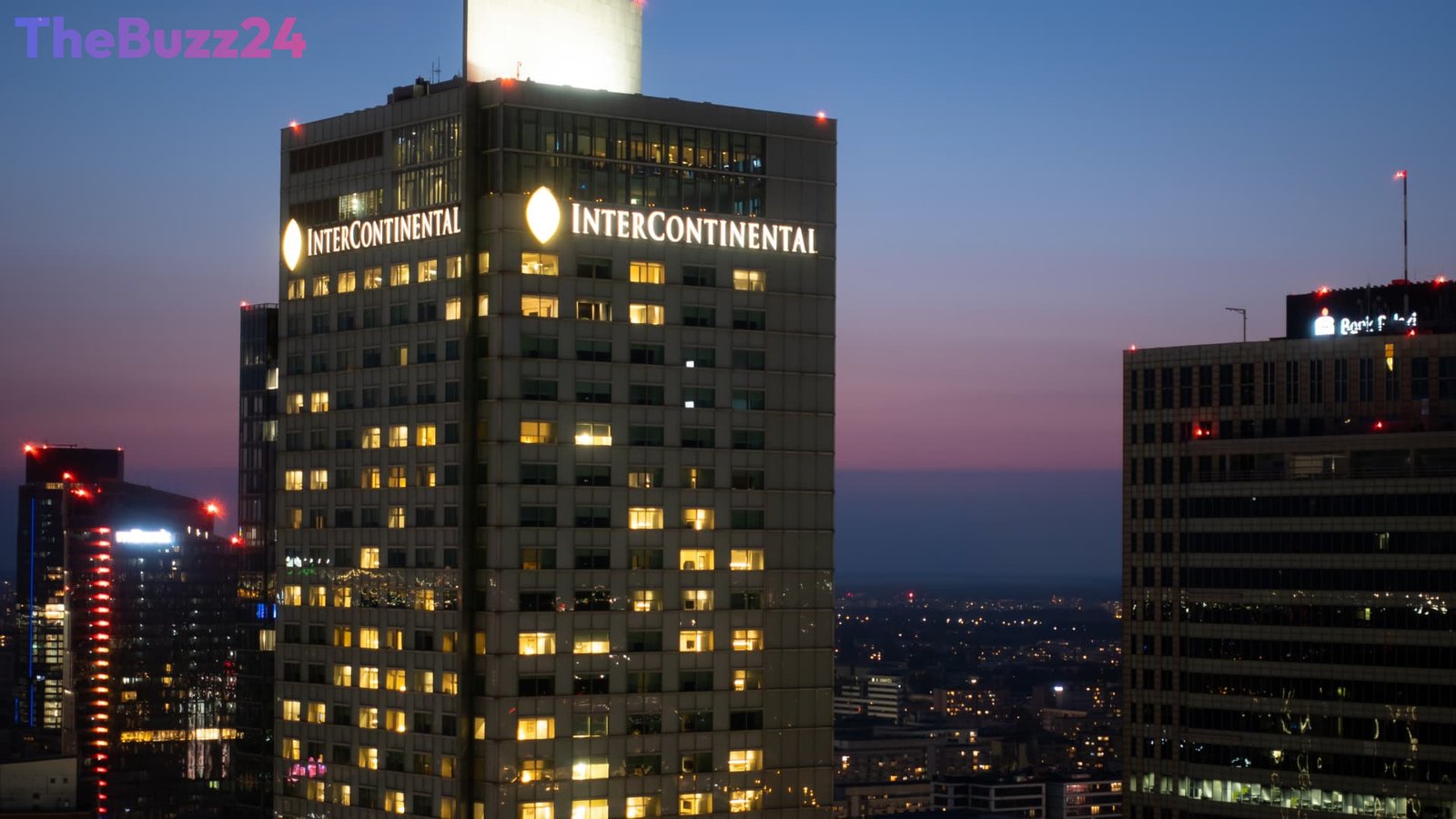
Global hotel operator IHG has announced a significant 10% increase in operating profits for the first half of the year, reaching $665 million. This growth, driven by a burgeoning middle class with a preference for experiences over material goods, has helped the company navigate challenges, including disruptions in the Middle East.
IHG, the owner of well-known brands such as Holiday Inn, Crowne Plaza, and Six Senses, reported that its revenue from reportable segments climbed 7% to $1.3 billion. The company’s global revenue per available room (RevPAR) saw a 4.1% increase. While the first quarter showed robust RevPAR growth of 4.4%, the second quarter experienced a slight moderation to 3.5%. This slowdown was attributed in part to the impact of geopolitical tensions and a subsequent travel slump in the Middle East.
Despite these headwinds, IHG’s CEO Elie Maalouf highlighted the resilience of the travel sector, particularly the strong performance in the U.S., Asia Pacific, and Europe. Maalouf emphasized that consumers, especially those experiencing wealth growth and a rising middle class, are prioritizing spending on travel and leisure activities. He noted that major events like the World Cup provided a substantial commercial boost, underscoring the ongoing demand for experiences fueled by sports, entertainment, and cultural events.
Maalouf further elaborated that the company’s diversified global presence acts as a buffer against regional disruptions. With the Middle East accounting for only about 5% of IHG’s business, the strength in other key markets effectively compensated for the downturn in that specific region. This strategic distribution, coupled with a strong pipeline of new hotel developments, positions IHG to continue capitalizing on the global demand for travel and hospitality.
Key Takeaways
- IHG reported a 10% increase in operating profits for the first half of the year, reaching $665 million.
- Growth is attributed to a rising middle class prioritizing spending on travel experiences over goods.
- Strong performance in the U.S., Asia Pacific, and Europe offset disruptions caused by the Middle East conflict.
Editor’s Analysis & Impact
IHG’s latest financial results underscore a significant shift in consumer spending towards experiences, a trend that bodes well for the hospitality industry. The company’s ability to leverage the ‘experience economy’ and capitalize on the growing global middle class demonstrates strategic foresight. While geopolitical events and regional conflicts can pose short-term challenges, IHG’s diversified portfolio and focus on key growth markets like the U.S. and Asia Pacific provide a robust foundation for sustained profitability. The continued demand for travel, fueled by events and a general desire for leisure, suggests a positive outlook for hotel giants that can adapt to evolving consumer preferences.
Frequently Asked Questions
Q: What is RevPAR and why is it important?
A: RevPAR stands for Revenue Per Available Room. It is a key performance indicator in the hotel industry that measures a hotel's ability to fill its available rooms at an average rate. It is calculated by dividing the total room revenue by the total number of available rooms for a given period. An increasing RevPAR generally indicates strong demand and effective pricing strategies.
Q: How has the Middle East conflict impacted IHG's business?
A: The Middle East conflict has led to travel disruptions and a slump in bookings in the region, which negatively affected IHG's performance in that specific market. However, the company stated that this impact was relatively contained as the Middle East represents only about 5% of its overall business, and growth in other regions compensated for the losses.
Q: What does IHG mean by the 'experience economy'?
A: The 'experience economy' refers to a trend where consumers, particularly those with growing wealth and a rising middle class, increasingly choose to spend their money on activities, services, and travel (experiences) rather than on physical goods. IHG, as a hotel operator, is positioned to benefit significantly from this consumer preference.
AI Disclosure: This article is based on verified data and official reports. Our Team and AI have cross-referenced every financial detail with primary sources to ensure total accuracy.
More from this Category