Massive 7.4 Magnitude Earthquake Strikes Colombia, Leaving Over 130 Dead and Prompting National Emergency
A powerful magnitude 7.4 earthquake has struck Colombia, resulting in the tragic deaths of at least 132 people and prompting the government to declare a nationwide state of emergency. The deep seismic event, centered in Chocó province at a depth of 103 kilometers, sent violent tremors across the western region of the country and was felt as far away as Venezuela, Ecuador, and Panama.
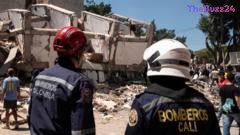
The hardest-hit urban area was Pereira, located in the nation’s central coffee-growing region, where numerous structures collapsed into piles of rubble and dust. Local authorities reported dozens of fatalities within the city’s metropolitan area, alongside dozens of collapsed buildings with individuals feared trapped underneath. Other major cities, including Cali, Manizales, and Medellín, also sustained significant structural damage, with infrastructure disruptions reported at multiple regional airports.
In response to the escalating crisis, the nation’s leadership declared a national disaster situation to unlock emergency powers and reallocate budgetary resources for rescue and recovery operations. Emergency responders, backed by international offers of assistance, continue to comb through debris in search of survivors as hundreds of injured citizens receive medical attention. With curfews enforced in select areas and ongoing aftershocks anticipated, the full scope of the humanitarian impact continues to unfold.
Key Takeaways
- A magnitude 7.4 earthquake struck Chocó province, Colombia, causing widespread damage and at least 132 deaths.
- Cities like Pereira and Cali experienced severe structural collapses, trapping residents and injuring hundreds.
- The newly instituted national administration declared a state of emergency to expedite rescue efforts and budget reallocation.
Editor’s Analysis & Impact
The catastrophic earthquake in Colombia presents an immediate humanitarian challenge and tests the emergency response capabilities of the newly established administration. From a broader economic and infrastructure perspective, recurring seismic events in the Andean region underscore the critical need for stringent seismic building codes, particularly in rapidly growing urban centers. While cities like Manizales benefited from strict historical regulations, the widespread destruction in areas like Pereira highlights vulnerabilities in regional infrastructure. The disaster will likely trigger renewed investments in earthquake-resilient construction, emergency preparedness, and regional logistical networks. Furthermore, international support from global allies emphasizes the geopolitical importance of swift humanitarian aid in solidifying diplomatic ties during regional crises.
Frequently Asked Questions
Q: What was the magnitude and epicenter of the earthquake in Colombia?
A: The earthquake registered a magnitude of 7.4 with its epicenter located near the village of San José del Palmar in Chocó province, at a depth of approximately 103 kilometers.
Q: Which areas were affected the most by the disaster?
A: The worst damage was concentrated in Pereira and surrounding cities in the coffee-growing region, as well as Cali, Manizales, and the Valle del Cauca region.
Q: What emergency measures have been implemented by the government?
A: The president declared a national disaster situation to unlock special powers for emergency response and budget reallocation, while localized curfews were established in heavily impacted cities.
AI Disclosure: This article is based on verified data and official reports. Our Team and AI have cross-referenced every financial detail with primary sources to ensure total accuracy.
More from this Category