Warming Arctic Waters Spark Unprecedented Whale Invasion Off East Greenland Coast
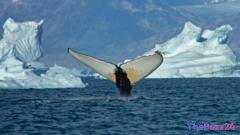
Rapidly vanishing sea ice along the eastern coast of Greenland has triggered a massive ecological shift, drawing hundreds of the world’s largest marine mammals to waters that were once completely inaccessible to them. A comprehensive, decades-long study has documented an unprecedented influx of humpback, minke, and fin whales feeding in these newly ice-free subarctic zones during the summer months. Historically blocked by thick coastal ice sheets, these massive baleen whales are now capitalizing on warming ocean temperatures and changing currents to establish highly productive seasonal feeding grounds.
The scale of this migration is staggering. Prior to 2006, ship-based surveys in East Greenland did not record a single humpback whale sighting. However, by 2024, researchers logged 150 sightings, with aerial surveys and satellite tracking data estimating that approximately 4,000 humpbacks, 6,000 fin whales, and 6,000 minke whales visited the Greenland Sea during the summer season alone. This massive gathering of marine giants has created what scientists describe as seasonal “feeding frenzies,” with the whales consuming an estimated 800,000 tonnes of fish and krill as prey species migrate northward into the warming waters.
While these opportunistic baleen whales appear to be thriving under the changing climate conditions, the ecological shift presents a stark contrast for native Arctic species. Animals such as narwhals and belugas, which rely on stable ice cover, are facing habitat loss and displacement as these larger species move into their traditional territories. Furthermore, researchers note it remains unclear whether this influx represents a global population increase for the visiting whales or a redistribution from other regions, such as West Greenland—a detail that carries significant weight in local communities where sustainable whaling is practiced.
Key Takeaways
- Vanishing sea ice in East Greenland has opened up previously inaccessible coastal waters to giant baleen whales, including humpback, fin, and minke species.
- An estimated 16,000 whales migrated to the Greenland Sea in the summer of 2024, consuming roughly 800,000 tonnes of fish and krill.
- While opportunistic species are benefiting from the warming waters, native Arctic marine mammals like narwhals and belugas are experiencing habitat displacement.
Editor’s Analysis & Impact
The dramatic ecological regime shift in East Greenland serves as a powerful indicator of how rapidly climate change is reshaping marine ecosystems. While the adaptability of baleen whales highlights a degree of biological resilience, it also signals a disruptive restructuring of the subarctic food web. The influx of thousands of large predators puts immense pressure on local fish and krill populations, potentially impacting regional fisheries. Furthermore, the displacement of endemic species like narwhals underscores the uneven consequences of global warming, where “winners” and “losers” emerge within the same habitat. For policymakers and conservationists, this shift complicates marine management, particularly in regions like Greenland where subsistence hunting is culturally and economically vital. Monitoring these migrations will be crucial for future conservation strategies and sustainable resource management.
Frequently Asked Questions
Q: Why are giant whales suddenly moving into East Greenland waters?
A: Rising ocean temperatures have caused significant sea ice to melt, opening up coastal areas that were previously blocked by ice. This allows large baleen whales to access new, food-rich feeding grounds.
Q: Which whale species are migrating to this region?
A: The primary species migrating to the region are humpback, fin, and minke whales, which gather in large numbers to feed on fish and krill.
Q: How does this migration affect native Arctic species?
A: Native species like narwhals and belugas are losing their ice-dependent habitats and face displacement as these larger, opportunistic whale species move into their territories.
AI Disclosure: This article is based on verified data and official reports. Our Team and AI have cross-referenced every financial detail with primary sources to ensure total accuracy.
More from this Category