Senator Warren Vows to Block Crypto Bill Amid Corruption Concerns
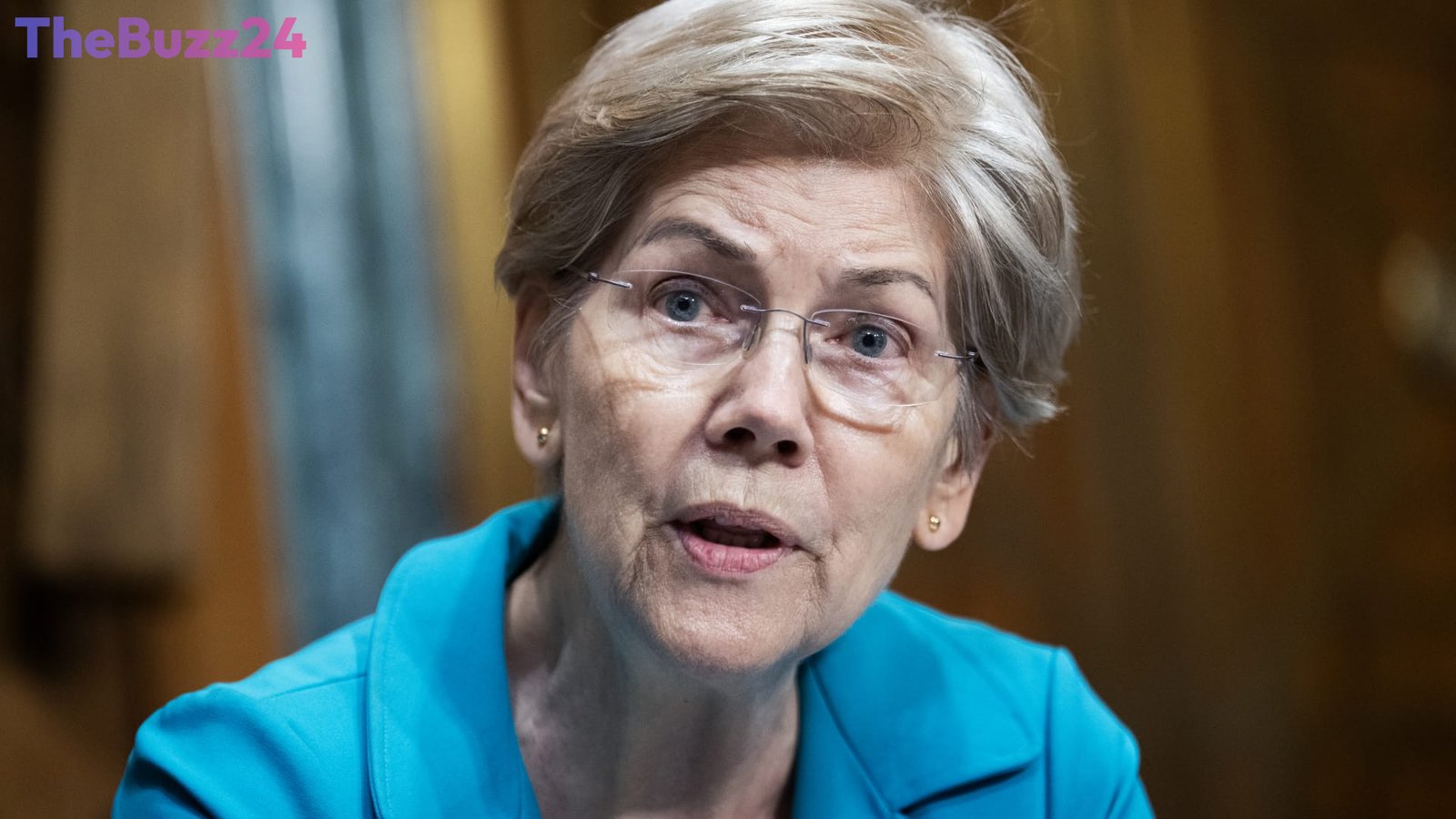
Senator Elizabeth Warren is set to deliver a strong rebuke of the proposed cryptocurrency market structure legislation, known as the Clarity Act, on the Senate floor. The speech comes just ahead of a critical preliminary vote scheduled for Tuesday afternoon. Warren, the ranking member of the Senate Banking Committee, has voiced significant opposition, particularly targeting a new ethics provision within the bill.
Warren intends to characterize the ethics proposal, which has reportedly received backing from President Donald Trump, as a superficial measure. She argues that it fails to adequately prevent potential conflicts of interest and financial gains related to cryptocurrency for high-ranking officials. Specifically, she plans to highlight concerns that the provision is designed with loopholes that could allow President Trump to continue profiting from his cryptocurrency ventures, including his involvement with World Liberty Financial and a recently acquired bank charter.
Republicans championing the Clarity Act aim to garner bipartisan support for the bill, which seeks to establish regulatory guidelines for the burgeoning digital asset industry. However, Warren contends that the proposed ethics rules are a mere “smoke screen” and that the legislation, as it stands, could inadvertently benefit the President’s financial interests. She plans to introduce an alternative bill, the “Ending Presidential Corruption in Banking Act,” aimed at prohibiting banking approvals for certain high-ranking officials and their families, though its passage is considered unlikely.
The White House has reiterated President Trump’s support for the Clarity Act, emphasizing its importance for maintaining American leadership in technological innovation and the crypto sector. A spokesperson stated that the administration and Senate Republicans have addressed Democratic concerns and urged for the bill’s passage to secure the nation’s dominance in the global digital economy. Despite these assurances, Senator Warren remains steadfast in her criticism, asserting that the bill’s current form prioritizes the financial interests of certain individuals and crypto industry players over broader public good and ethical governance.
Key Takeaways
- Senator Elizabeth Warren plans to strongly oppose the Clarity Act, a cryptocurrency market structure bill, citing corruption concerns.
- Warren argues that the bill's ethics provisions are insufficient and could allow President Trump to profit from his crypto businesses.
- The White House supports the Clarity Act, viewing it as crucial for U.S. leadership in crypto innovation, while Warren plans to introduce a counter-bill.
Editor’s Analysis & Impact
Senator Warren’s vocal opposition to the Clarity Act highlights a significant rift in the legislative approach to cryptocurrency regulation. Her focus on potential conflicts of interest and personal financial gain for high-ranking officials raises critical questions about transparency and ethical governance in the rapidly evolving digital asset space. The debate underscores the broader challenge of balancing innovation with robust oversight. If the Clarity Act fails or is significantly altered due to these concerns, it could delay the establishment of clear rules for the crypto industry, potentially impacting market stability and investor confidence. Conversely, addressing these ethical considerations could lead to more comprehensive and trustworthy regulation in the long run.
Frequently Asked Questions
Q: What is the Clarity Act?
A: The Clarity Act is a proposed piece of legislation in the U.S. Senate aimed at establishing regulatory rules and guidelines for the cryptocurrency market.
Q: What are Senator Warren's main criticisms of the Clarity Act?
A: Senator Warren's primary concerns revolve around the bill's ethics provisions, which she believes are inadequate and could allow President Trump to profit from his cryptocurrency ventures and related banking activities.
Q: What is the "Ending Presidential Corruption in Banking Act"?
A: This is a proposed bill by Senator Warren designed to prohibit certain banking applications from being approved for the President, Vice President, their families, and other high-ranking government officials, and to terminate any such charters issued since January 20, 2025.
AI Disclosure: This article is based on verified data and official reports. Our Team and AI have cross-referenced every financial detail with primary sources to ensure total accuracy.
More from this Category