Dual Economic Blow: Conflict Drives Up Costs for American Consumers
American households are currently navigating a challenging economic landscape, grappling with a significant surge in both energy prices and borrowing costs. This dual pressure, largely exacerbated by the ongoing U.S.-Iran conflict, is eroding consumer purchasing power and forcing many to dip into savings to maintain their spending habits. Economic assessments indicate a substantial financial burden on families, with the cumulative impact of these factors becoming increasingly evident across various sectors.
The total financial strain on the average U.S. household since the escalation of the U.S.-Iran conflict is estimated to be around $1,760. A significant portion of this, approximately $930, is attributed to higher energy expenses, encompassing increased prices for gasoline, diesel, and jet fuel. This has led to U.S. consumers collectively spending over $121 billion more on energy since the conflict began. Additionally, rising interest rates account for about $425 of this total, impacting everything from mortgages to car loans. The remaining $405 is linked to increased military spending, a cost ultimately borne by taxpayers through national debt or future tax adjustments.
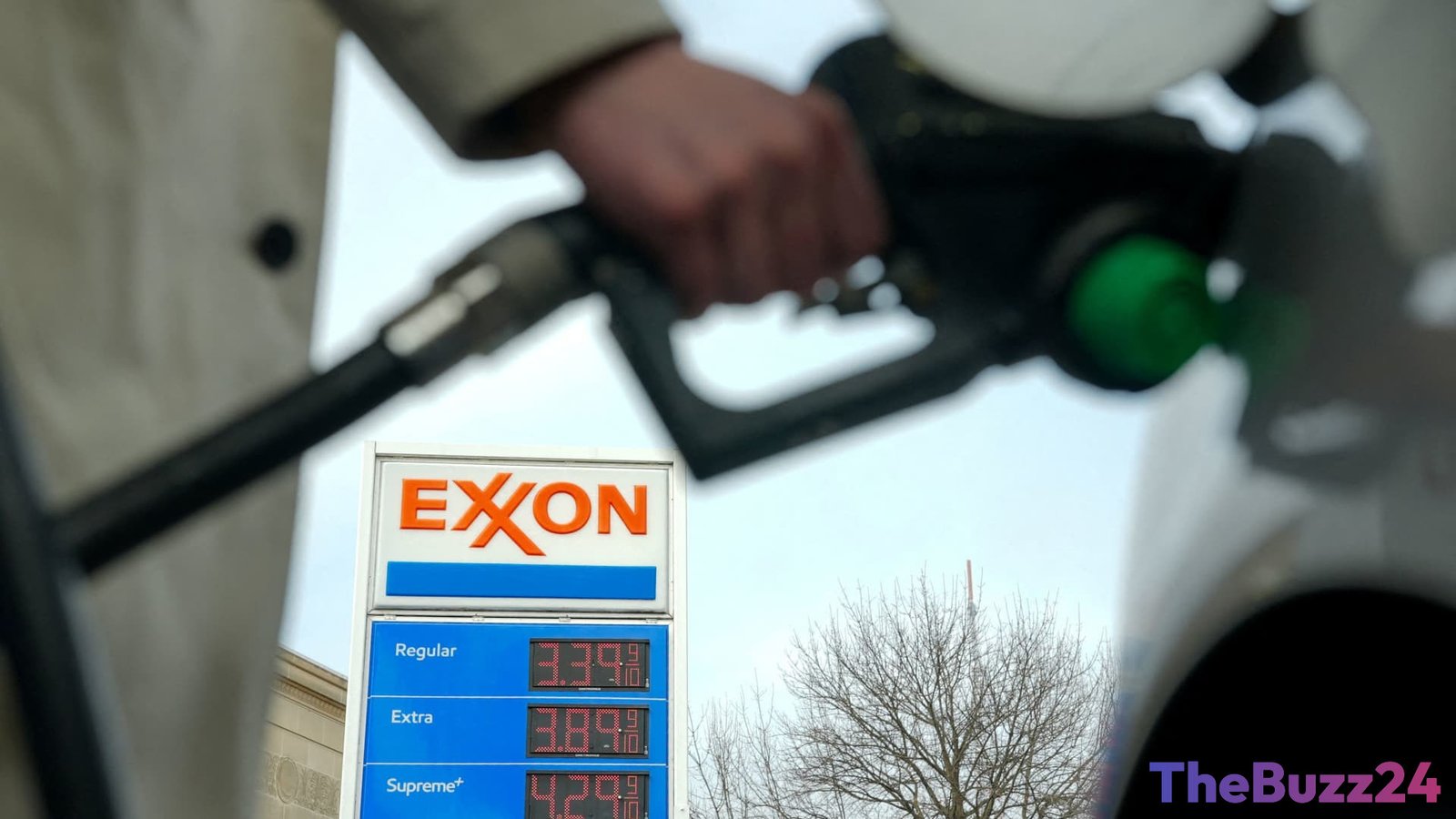
The “pain at the pump” has been particularly acute. U.S. crude oil prices recently surpassed $105 per barrel, marking their highest closing level in months. This surge directly translates to higher gasoline prices, with national averages for a gallon of gas exceeding $4.32, a notable increase from previous months and the prior year. Diesel prices have also reached record highs, climbing above $6 per gallon. Economists warn that these elevated diesel costs, crucial for transporting goods, are likely to be passed on to consumers, contributing to broader inflationary pressures on everyday items like groceries. Consumer sentiment surveys reflect this concern, with a growing number of Americans citing gas prices as a major financial worry.
Concurrently, the 10-year U.S. Treasury yield recently reached its highest point in nearly two decades, serving as a benchmark for various consumer and corporate loans. This upward trend in yields is driven by market concerns over inflation and government debt, directly translating to higher borrowing costs for consumers. Mortgage rates, for instance, have topped 7% for the first time in over a year, exacerbating the nation’s housing affordability crisis. Similarly, the cost of financing vehicles and carrying credit card debt has increased, with total U.S. credit card debt nearing record levels. This environment of rising costs and stagnant real wages is compelling consumers to rely more heavily on their savings, a trend that economists suggest is unsustainable and could eventually lead to a slowdown in overall consumer spending, a critical component of the U.S. economy.
Key Takeaways
- U.S. households face an estimated $1,760 financial burden due to rising energy costs and interest rates, largely stemming from the U.S.-Iran conflict.
- Soaring crude oil and diesel prices are driving up costs at the pump and contributing to broader inflation on goods and services.
- Higher Treasury yields are increasing borrowing costs for mortgages, car loans, and credit card debt, pushing consumers to rely more on savings and potentially reducing overall spending.
Editor’s Analysis & Impact
The current economic headwinds, driven by geopolitical tensions and their ripple effects on energy and finance, pose significant challenges for the U.S. economy. Industries reliant on consumer spending, such as retail, automotive, and housing, are likely to experience reduced demand as disposable income shrinks and borrowing becomes more expensive. While energy producers may see increased revenues, the broader inflationary impact could stifle overall economic growth. The Federal Reserve faces a delicate balancing act, as further rate hikes to combat inflation could exacerbate consumer financial strain and risk a deeper economic slowdown. The long-term outlook suggests continued pressure on household budgets, potentially widening economic disparities and necessitating strategic policy responses to mitigate the impact on vulnerable populations and maintain economic stability.
Frequently Asked Questions
Q: What is causing the current financial strain on U.S. consumers?
A: The primary causes are a significant rise in energy prices (like gasoline and diesel) and increasing interest rates (for loans and mortgages), both largely influenced by the ongoing U.S.-Iran conflict.
Q: How much is this costing the average American household?
A: Economic analyses estimate the total financial burden on the average U.S. household since the conflict began to be around $1,760, with over half attributed to higher energy costs.
Q: What are the broader economic consequences of these trends?
A: These trends are leading to reduced consumer purchasing power, increased reliance on savings, and potential slowdowns in consumer spending. They also contribute to inflation, make big-ticket purchases less affordable, and could impact job market growth.
AI Disclosure: This article is based on verified data and official reports. Our Team and AI have cross-referenced every financial detail with primary sources to ensure total accuracy.
More from this Category