Trump Dismisses Iran’s Conditional Truce Offer as Regional Conflict Flares Across the Gulf
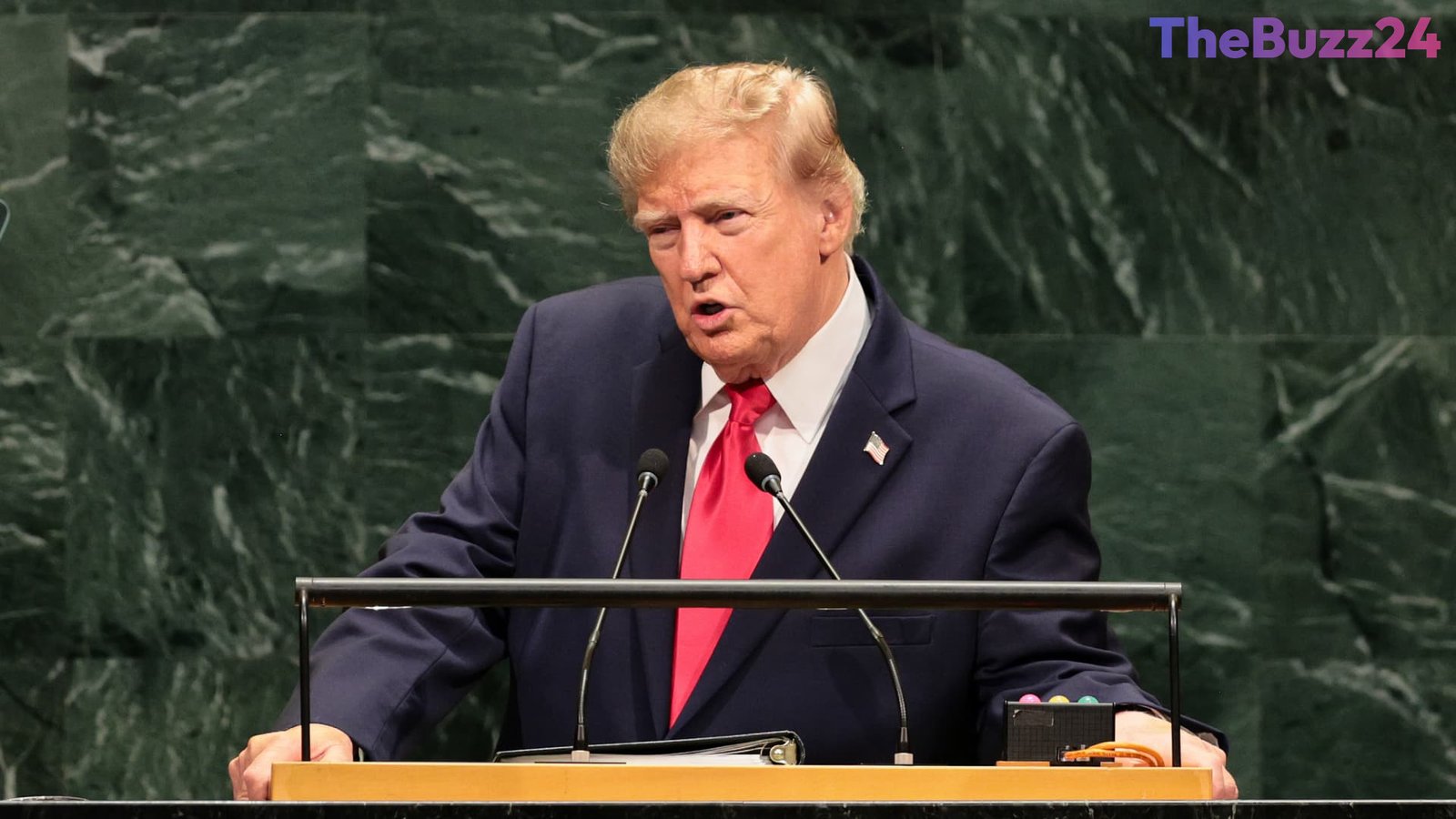
President Donald Trump has firmly turned down a conditional ceasefire framework presented by Tehran that offered to reopen the critical Strait of Hormuz and resume nuclear negotiations. Speaking with reporters, Trump confirmed his rejection of the deal, citing deep skepticism regarding Iran’s willingness to satisfy core American demands. Behind closed doors, administration officials indicate that preparations for renewed military strikes after the upcoming midterm elections remain a distinct possibility if diplomatic overtures continue to stall.
The rejected Iranian initiative, presented by Foreign Minister Abbas Araghchi during meetings on the sidelines of the United Nations General Assembly, offered to restore commercial maritime traffic through the vital energy corridor within seven days. In exchange, Tehran demanded an immediate cessation of U.S. military operations, an end to the naval blockade and economic sanctions, and the unfreezing of seized financial assets. While backchannel negotiations mediated by third parties remain active regarding nuclear proliferation safeguards, the White House has maintained an unyielding stance against conditional de-escalation.
Simultaneously, regional tensions continue to manifest outside direct U.S.-Iranian clashes. In Yemen, Iran-aligned Houthi forces launched an aerial offensive targeting strategic locations within Saudi Arabia. Coalition defense systems successfully brought down two hostile drones aimed at Riyadh, along with two ballistic missiles directed toward the southwestern Khamis Mushait region. The cross-border strikes emphasize the fragility of Gulf security and demonstrate the multi-front nature of the broader confrontation.
The protracted conflict and disruption of shipping lanes in the Persian Gulf have placed significant upward pressure on global energy benchmarks throughout the year, sustaining fears of inflation across major economies. Although crude oil prices recorded modest late-week retreats amid brief diplomatic optimism at the United Nations—with West Texas Intermediate dropping to $92.41 per barrel and Brent falling to $104.32—crude benchmarks remain up more than 60% year-to-date, reflecting pervasive uncertainty about future supplies.
Key Takeaways
- President Trump rejected an Iranian proposal to reopen the Strait of Hormuz within seven days in exchange for lifting naval blockades and ending sanctions.
- U.S. officials anticipate a potential resumption of targeted airstrikes against Iran following the November midterm elections.
- Saudi air defenses intercepted multiple Houthi drones and ballistic missiles targeting Riyadh and southern border regions.
Editor’s Analysis & Impact
The outright dismissal of Iran’s conditional overture highlights Washington’s determination to extract definitive concessions rather than accept temporary operational pauses. By linking any resolution to strict, non-negotiable nuclear and security parameters, the administration is deliberately maintaining maximum pressure. However, this strategy carries severe economic risks. Although crude prices dipped temporarily on initial reports of dialogue, the persistent disruption of maritime traffic through the Strait of Hormuz ensures energy volatility will endure. Furthermore, escalated Houthi missile and drone sorties into Saudi territory illustrate that Tehran’s regional proxies retain the capability to destabilize critical infrastructure. Without a verified diplomatic off-ramp, global commodity markets must prepare for sustained geopolitical risk premiums extending well beyond the midterm elections.
Frequently Asked Questions
Q: What conditions did Iran propose to reopen the Strait of Hormuz?
A: Iran offered to unblock the strait and return to nuclear talks within seven days provided the United States halts hostile military actions, lifts the naval blockade, ceases economic sanctions, and unfreezes seized Iranian assets.
Q: Why did the United States reject the agreement?
A: President Trump and senior officials rejected the offer due to skepticism over Tehran's commitment to permanently curbing its nuclear ambitions and halting proxy attacks across the Middle East.
Q: How has the conflict impacted global energy markets?
A: Shipping disruptions in the Gulf have caused massive price spikes, with major benchmarks like WTI and Brent crude climbing more than 60% over the course of the year.
AI Disclosure: This article is based on verified data and official reports. Our Team and AI have cross-referenced every financial detail with primary sources to ensure total accuracy.
More from this Category