Inside NASA’s Cutting-Edge Acoustic Research for Quieter Aviation
Researchers at the NASA Glenn Research Center are deploying advanced instrumentation to measure airflow and sound dynamics, driving the future of quieter aircraft design. Utilizing sophisticated tools such as particle image velocimetry, hot-wire anemometry, and microphone phased arrays, scientists gather critical acoustic data that helps the global aviation community validate noise-reduction theories and prediction software. These experiments are essential for mitigating the disruptive tones and broadband noise generated by modern turbofan engines.
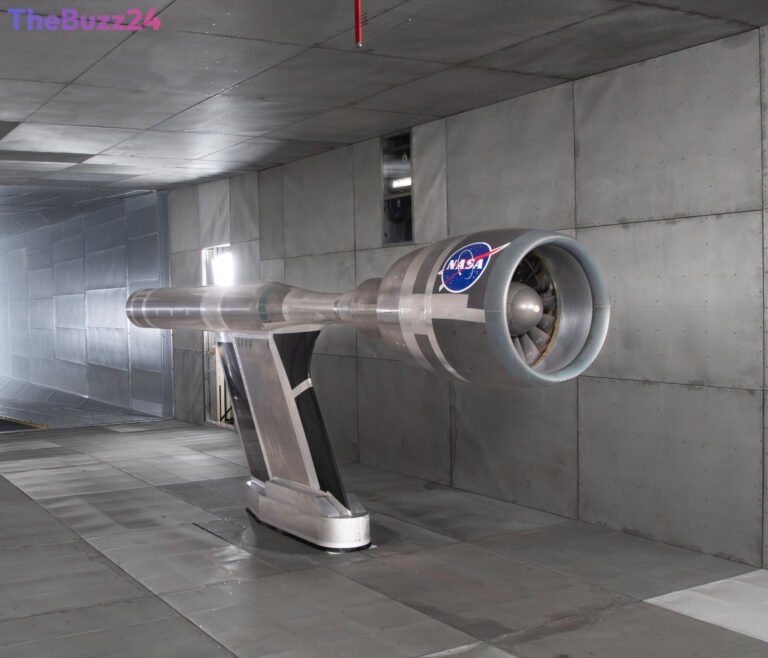
Among the standout technologies used in these studies is the Rotating Microphone Rake system. Developed by NASA engineers in the 1990s, this rotating setup allows researchers to capture modal content data that stationary microphones simply cannot detect. From low-speed wind tunnel tests to full-scale engine ground evaluations, the rotating rakes provide precise insights necessary for engineering advanced acoustic liners and active noise control systems.
Additionally, the implementation of microphone phased arrays enables teams to pinpoint exact noise sources within complex jet flows and military engines. By arranging microphones in multidimensional configurations, researchers can isolate sounds originating from rotating fan blades and internal ducts. Combined with laser Doppler velocimetry and hot-wire probes, these diagnostic methods map air velocity disturbances in real time, laying the groundwork for the next generation of environmentally friendly and quieter commercial flight.
Key Takeaways
- NASA Glenn Research Center utilizes advanced acoustic instrumentation to study and reduce aviation noise.
- Rotating microphone rakes and phased arrays allow engineers to accurately pinpoint and analyze noise sources in turbofan engines.
- Data collected from hot-wire probes and laser Doppler velocimeters help validate predictive software used by the global aviation industry.
Editor’s Analysis & Impact
The ongoing acoustic research at NASA Glenn represents a critical pillar in the evolution of commercial and military aviation. As global noise regulations become increasingly stringent, aircraft manufacturers are under immense pressure to design quieter engines without compromising fuel efficiency or thrust. The tools and methodologies developed by NASA—such as phased microphone arrays and rotating rakes—serve as the gold standard for validating aerodynamic noise reduction software. In the broader market context, these advancements will heavily influence the design of future hybrid-electric and ultra-high bypass engines, ensuring compliance with strict international environmental standards and improving the quality of life for communities near major airports.
Frequently Asked Questions
Q: What is the purpose of the Rotating Microphone Rake system?
A: The Rotating Microphone Rake system is used to measure the modal content of annoying tones in turbofan engines, providing data that stationary microphones cannot capture.
Q: How do microphone phased arrays work in aerospace testing?
A: Microphone phased arrays use a 1D, 2D, or 3D arrangement of microphones to process sound measurements, enabling researchers to precisely pinpoint noise sources in scale-model jet flows and engine components.
Q: Why are velocity measurements important for noise reduction?
A: Velocity measurements taken via hot-wire probes and laser Doppler velocimeters allow scientists to visualize disturbances—such as fan blade wakes interacting with stator vanes—helping them identify and mitigate the root causes of engine noise.
AI Disclosure: This article is based on verified data and official reports. Our Team and AI have cross-referenced every financial detail with primary sources to ensure total accuracy.
More from this Category