NASA’s Advanced Facilities: Simulating Space and Quieting Jets
NASA’s Glenn Research Center is actively preparing for future space missions and advancing aeronautics technology through the use of its cutting-edge experimental facilities. These world-class laboratories are crucial for simulating extreme conditions and developing innovative solutions for both space exploration and quieter aircraft.
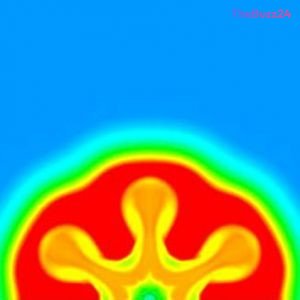
The Aero-Acoustic Propulsion Laboratory (AAPL) is a key facility, featuring an anechoic chamber designed to meticulously measure noise generated by experimental aircraft engines. Within the AAPL, the Small Hot Jet Acoustic Rig (SHJAR) allows researchers to test single-stream nozzles with high precision, investigating the intricate relationship between nozzle design, jet flow, and acoustic output. This rig has been instrumental in developing advanced flow measurement techniques and validating computer models for jet noise prediction, aiming to engineer quieter aircraft.
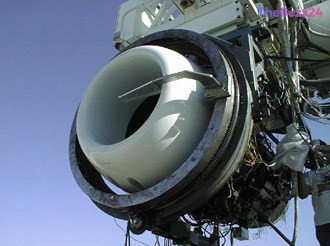
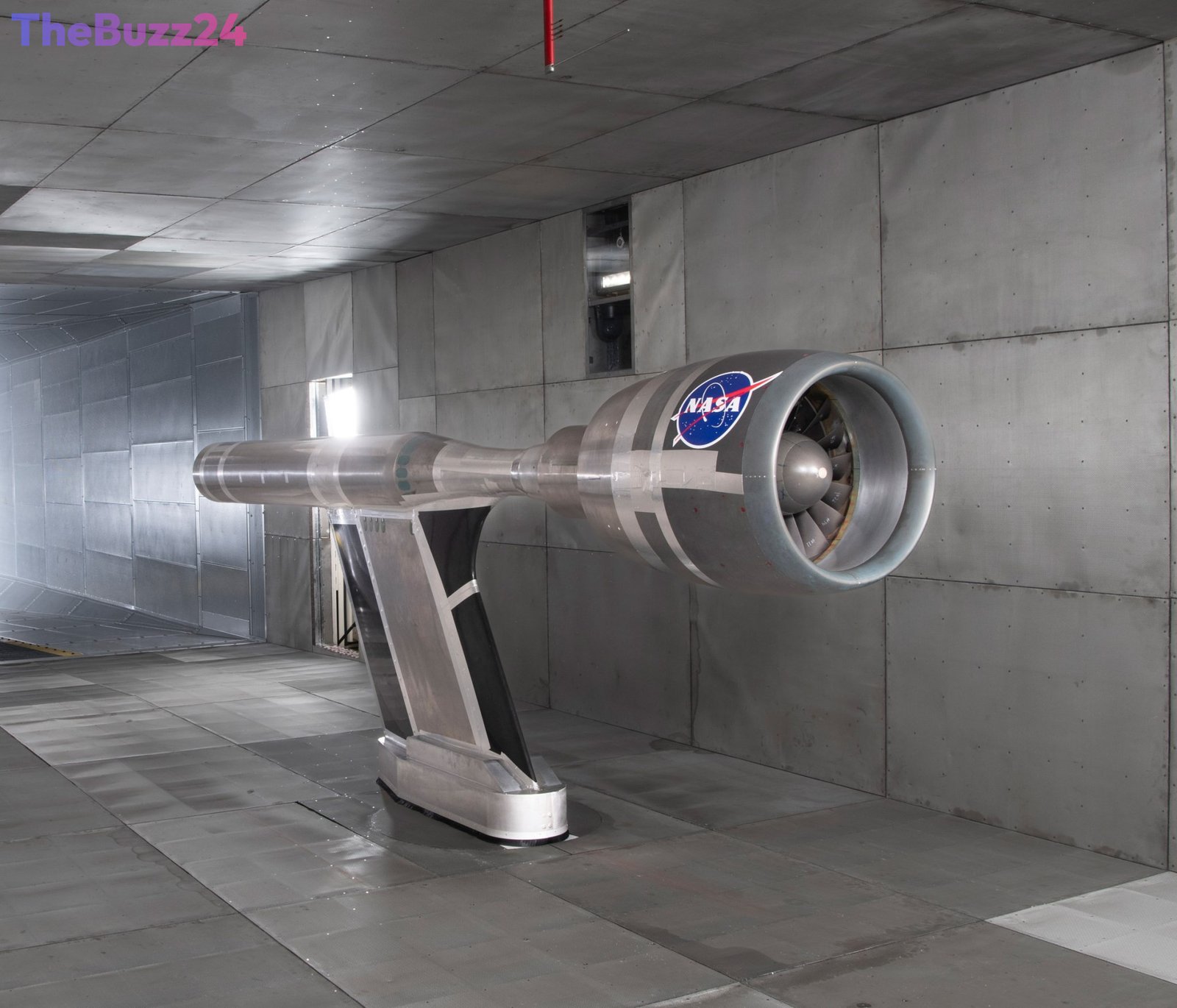
Further contributing to noise reduction efforts is the Nozzle Acoustic Test Rig (NATR), a free-jet wind tunnel capable of simulating takeoff and landing conditions. The NATR tests scale models of various aircraft engine nozzles, enabling engineers to evaluate noise reduction concepts cost-effectively before full-scale engine trials. This facility has a history of contributing to significant breakthroughs, including the development of chevron nozzles now common on modern aircraft, and is currently being used to assess noise levels for future supersonic airliners.
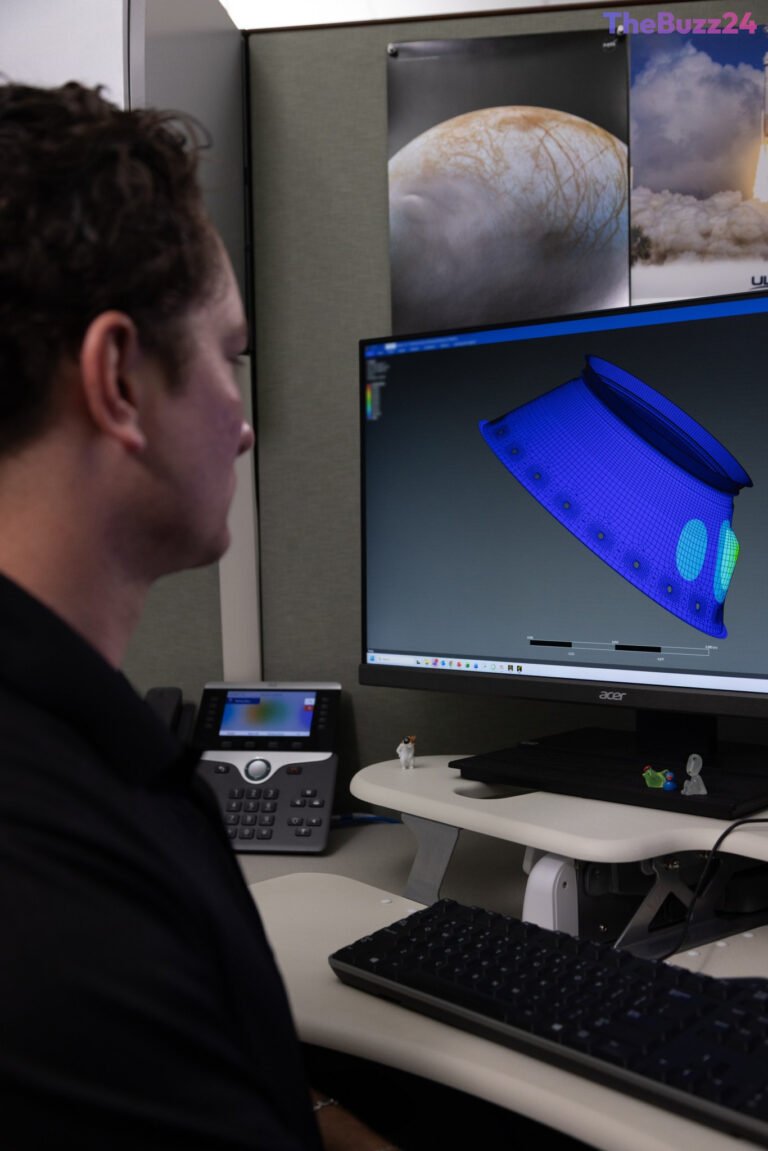
Beyond acoustics, the 9- by 15-Foot Low-Speed Wind Tunnel (9×15 LSWT) and the Acoustical Testing Laboratory (ATL) support broader aeronautics and human space exploration research. The ATL, configurable as an anechoic or hemi-anechoic chamber, is vital for acoustic measurements, having been used to quantify noise from International Space Station experiments, electric motors, and aircraft engine models, including the evaluation of over-the-wing engine placements.
Key Takeaways
- NASA's Glenn Research Center utilizes advanced facilities like the AAPL and NATR to research aircraft noise reduction.
- The SHJAR rig is crucial for understanding jet flow dynamics and validating noise prediction models.
- Facilities such as the 9×15 LSWT and ATL support a wide range of aeronautics and space exploration research, including acoustic measurements.
Editor’s Analysis & Impact
NASA’s investment in sophisticated experimental facilities underscores a dual commitment to advancing aerospace technology. The focus on reducing aircraft noise through detailed acoustic research in labs like AAPL and NATR not only addresses environmental concerns but also paves the way for more efficient and potentially future supersonic air travel. Simultaneously, these facilities support critical human space exploration endeavors, highlighting NASA’s broad impact. The continuous development and application of these testbeds are vital for maintaining a competitive edge in aerospace innovation and ensuring the safety and sustainability of future flight.
Frequently Asked Questions
Q: What is the purpose of the Aero-Acoustic Propulsion Laboratory (AAPL)?
A: The AAPL is an anechoic chamber used by NASA to measure noise generated by experimental aircraft engines and to develop advanced flow measurement techniques for jet noise research.
Q: How does the Nozzle Acoustic Test Rig (NATR) help in developing quieter aircraft?
A: The NATR allows NASA to test scale models of engine nozzles and evaluate noise reduction concepts under simulated flight conditions, significantly reducing the cost and time compared to full-scale engine tests.
Q: What kind of research is conducted in the Acoustical Testing Laboratory (ATL)?
A: The ATL is used for various acoustic measurements, including quantifying noise from space station experiments, electric motors, and aircraft engine models, as well as evaluating engine placement for noise reduction.
AI Disclosure: This article is based on verified data and official reports. Our Team and AI have cross-referenced every financial detail with primary sources to ensure total accuracy.
More from this Category