Advanced Acoustic and Propulsion Software Suite Released by Aerospace Researchers
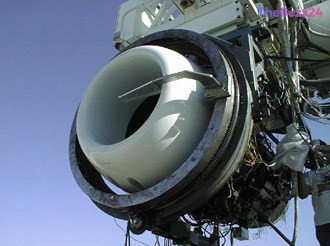
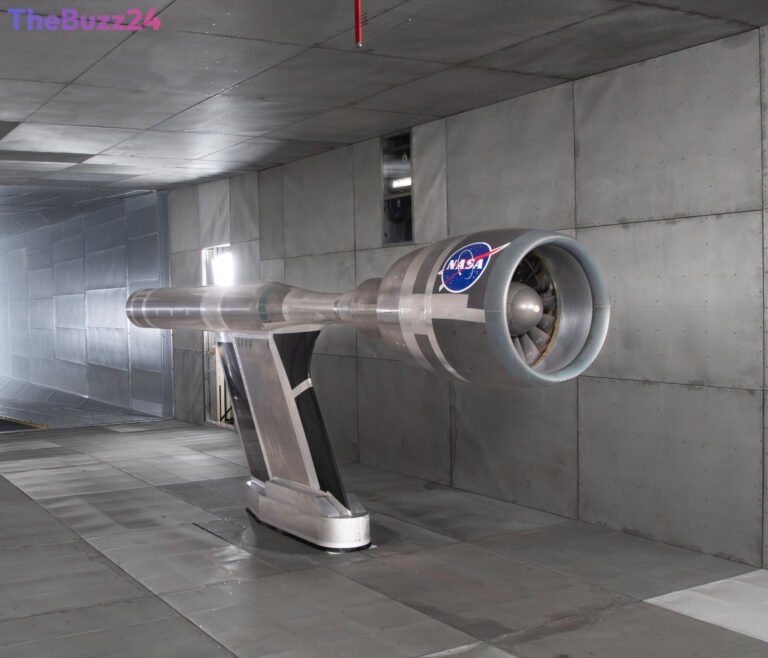
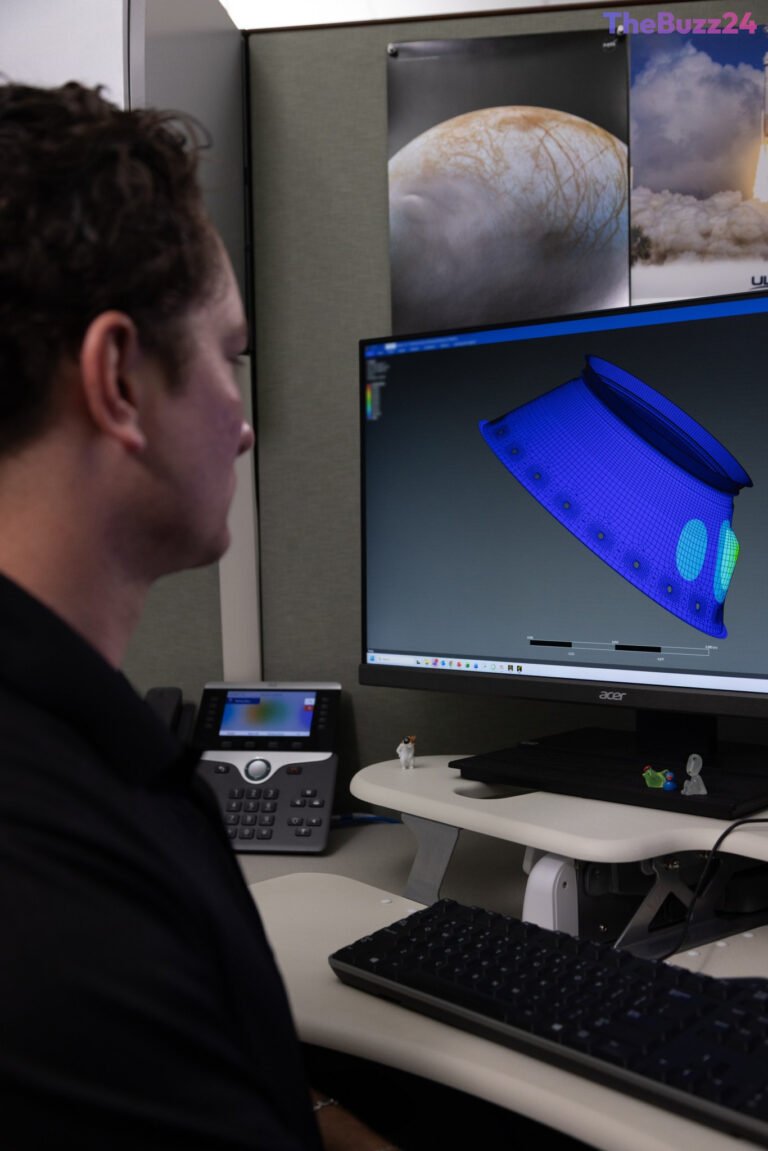
A specialized collection of aerospace engineering software designed to predict, analyze, and mitigate aircraft engine noise has been made available to the public. Developed by research teams at the Glenn Research Center, these advanced computational tools offer engineers sophisticated methods for evaluating jet and fan noise, optimizing propulsion system designs, and conducting detailed aerodynamic simulations.
Among the highlighted applications is the JeNo code, which predicts far-field sound spectral density produced by axisymmetric jets using Lilley’s Acoustic Analogy combined with Reynolds-Averaged Navier-Stokes flow solutions. This tool provides a rapid alternative to resource-heavy methods like Large-Eddy Simulations. Additionally, precursor programs such as MGBK have historically helped analyze the acoustic benefits of chevrons—serrated edges on turbofan nozzles that have become standard on modern commercial aircraft.
The software suite also addresses complex rotor-stator interactions and propeller acoustics through specialized programs like V072, TFaNS, Linflux, and WOBBLE. These applications allow engineers to model 3-D flows, evaluate blade row acoustic coupling, and account for unsteady blade loading caused by varying inflow angles. Other tools, including BFANS, RSI, and MPT, focus on broadband noise, turbulence interaction, and supersonic fan blade tip shocks commonly referred to as buzz saw noise. Interested engineers and researchers can request copies of these validated codes directly through the official software catalog.
Key Takeaways
- A comprehensive suite of aircraft engine noise prediction software has been made available through the NASA Software Catalog.
- Tools like JeNo, MGBK, and Linflux allow engineers to simulate complex aerodynamic flows, jet noise, and rotor-stator interactions.
- The software helps the aerospace industry design quieter, more efficient commercial aircraft propulsion systems early in the development cycle.
Editor’s Analysis & Impact
The public availability of these advanced acoustic and propulsion software packages represents a significant step forward in collaborative aerospace engineering. As regulatory bodies worldwide continue to enforce stricter noise pollution limits for commercial aviation, aircraft manufacturers are under immense pressure to design quieter engines without compromising fuel efficiency. Tools that offer rapid, validated predictions for jet noise, fan tones, and turbulence interaction dramatically shorten the research and development phase. By lowering the barrier to entry for high-fidelity aerodynamic modeling, this release could accelerate the commercialization of next-generation, environmentally friendly aircraft architectures.
Frequently Asked Questions
Q: What is the primary purpose of the JeNo code?
A: JeNo is designed to calculate the far-field sound spectral density produced by axisymmetric jets at a user-specified observer location and frequency range.
Q: How can engineers access these software codes?
A: Copies of the software codes, including JeNo, MGBK, Linflux, and WOBBLE, can be requested through the official software catalog.
Q: What kind of noise does the MPT code estimate?
A: The MPT code estimates multiple pure tone noise, also known as 'buzz saw' noise, which is created by rotor locked shocks when fan blade tip speeds are supersonic.
AI Disclosure: This article is based on verified data and official reports. Our Team and AI have cross-referenced every financial detail with primary sources to ensure total accuracy.
More from this Category