Tokenized Stocks Surge Overseas Amid U.S. Corporate Resistance
Trading activity in tokenized versions of traditional financial assets, particularly equities, is experiencing a significant surge in international markets. This growth is occurring even as prominent U.S. corporations express objections to the domestic trading of these blockchain-based securities.
Data from Bitwise Asset Management’s latest quarterly report indicates a dramatic increase in tokenized stock volume. On the Robinhood Chain, a new network for on-chain asset trading, volume climbed from $526 million in July to $11.31 billion in September. This trend also saw tokenized equities emerge as the fastest-growing category on the Solana blockchain, highlighting a global shift towards digital representations of traditional assets.
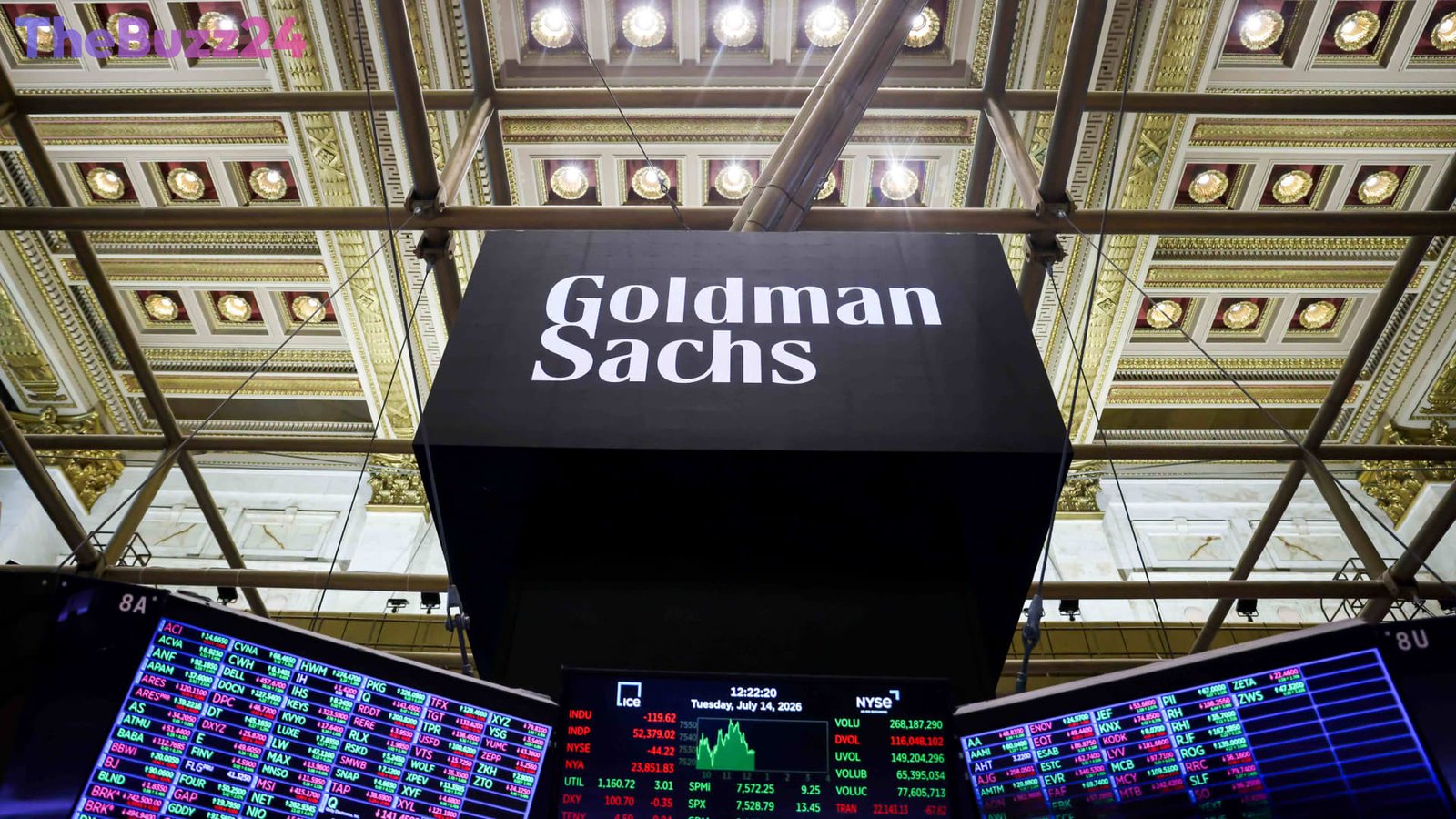
However, this burgeoning market faces considerable headwinds from established U.S. companies. Giants such as Goldman Sachs, Microsoft, McDonald’s, and Alphabet are among those who have formally objected to having tokenized versions of their shares traded on platforms like OKXICE, a venue jointly operated by OKX and Intercontinental Exchange. These objections, disclosed in public notices, add to a growing list of companies signaling their reluctance to embrace this new form of trading.
The divergence in adoption between overseas markets and the U.S. stems from differing regulatory approaches and corporate perspectives. While international markets often facilitate price exposure through derivatives and wrapped tokens without direct company consent, the U.S. framework, influenced by SEC guidelines, allows companies to opt out. This has led to a situation where many U.S. corporations perceive the risks associated with tokenization—such as uncontrolled 24/7 trading and unclear shareholder rights—without seeing immediate benefits. Industry observers suggest that for tokenization to gain traction in the U.S., the industry must better articulate the advantages for issuers, including expanded global investor bases and continuous market access.
Key Takeaways
- Trading volume for tokenized stocks has seen a substantial increase, particularly in international markets.
- Major U.S. companies like Goldman Sachs and Microsoft are actively objecting to the tokenization and trading of their shares domestically.
- The differing regulatory environments and perceived risks versus benefits are creating a divide in tokenized stock adoption between the U.S. and overseas markets.
Editor’s Analysis & Impact
The rapid growth of tokenized stocks overseas, contrasted with significant resistance from U.S. corporations, underscores a critical inflection point for the financial industry. This trend highlights the potential of blockchain to revolutionize asset trading by offering increased liquidity and accessibility. However, the objections from established firms like Goldman Sachs and Microsoft point to ongoing concerns regarding control, shareholder rights, and regulatory clarity. For tokenization to achieve widespread adoption, particularly in the U.S., the industry must bridge this gap by clearly demonstrating tangible benefits to issuers, such as expanded market reach and operational efficiencies, while addressing valid concerns about governance and risk management. The SEC’s innovation exemption, while a step forward, also formalizes the opt-out mechanism, suggesting a future where tokenized assets may coexist with traditional ones, with corporate consent playing a pivotal role.
Frequently Asked Questions
Q: What are tokenized stocks?
A: Tokenized stocks are digital representations of traditional company shares that are issued and traded on a blockchain network. They aim to leverage blockchain technology to offer benefits like increased accessibility, liquidity, and potentially 24/7 trading.
Q: Why are some U.S. companies objecting to tokenized stocks?
A: Companies are objecting due to concerns about control over their shares, the implications for shareholder rights (including voting rights), the potential for uncontrolled 24/7 trading, and a lack of clear upside benefits compared to the perceived risks. The U.S. regulatory framework also allows companies to formally object to their shares being tokenized and traded.
Q: Where is tokenized stock trading most popular?
A: Currently, trading of tokenized stocks is more concentrated in international markets. This is partly because these markets have been more open to tokenized products, and the trading often involves price exposure through derivatives or wrapped tokens that do not require direct company permission, unlike some U.S. models.
AI Disclosure: This article is based on verified data and official reports. Our Team and AI have cross-referenced every financial detail with primary sources to ensure total accuracy.
More from this Category