NASA Test Pilot Breaks Sound Barrier in Groundbreaking Quiet Supersonic Jet
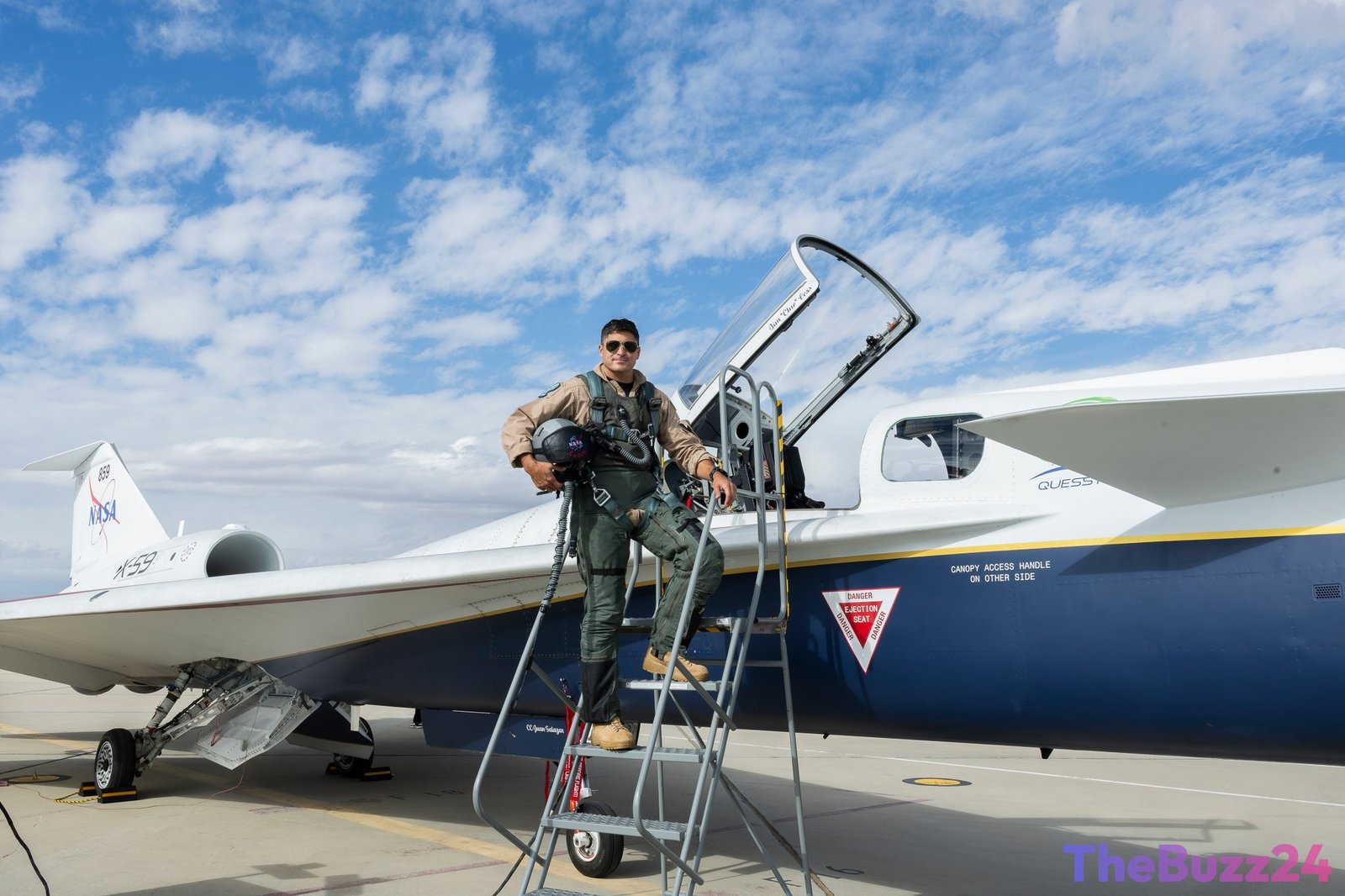
NASA test pilot Mike Lippert recently took the controls of the agency’s revolutionary X-59 quiet supersonic research aircraft for his inaugural flight. The mission, which lasted approximately one hour, saw Lippert depart from and return to NASA’s Armstrong Flight Research Center in Edwards, California.
This significant flight milestone occurred shortly after the X-59 completed its most intensive testing week to date. The aircraft has been a consistent presence in the skies since its first flight in November 2025, with its initial supersonic journey taking place on June 5, 2026. The recent flight by Lippert followed essential scheduled maintenance and a thorough system review, ensuring the advanced aircraft was ready for its next phase of exploration.
The X-59 represents a significant leap forward in aviation technology, designed to dramatically reduce the sonic boom associated with supersonic flight to a mere quiet thump. This innovation holds the potential to reopen the possibility of supersonic passenger travel over land, a prospect that has been largely curtailed for decades due to noise regulations.
Key Takeaways
- NASA test pilot Mike Lippert has completed his first flight in the X-59 quiet supersonic research aircraft.
- The X-59 has successfully conducted numerous flights, including its first supersonic flight in June 2026.
- The X-59's advanced design aims to significantly reduce sonic boom noise, potentially enabling future overland supersonic travel.
Editor’s Analysis & Impact
The successful flights of NASA’s X-59 aircraft, culminating in a pilot’s first experience at the helm, mark a critical step towards redefining supersonic aviation. By focusing on noise reduction, NASA is not just pushing technological boundaries but also addressing a key regulatory hurdle that has historically prevented supersonic jets from flying over populated areas. This development could have profound implications for the aerospace industry, potentially spurring new commercial ventures and revitalizing interest in high-speed air travel. The future outlook hinges on continued successful testing and public acceptance of the reduced sonic “thump.”
Frequently Asked Questions
Q: What is the primary goal of NASA's X-59 aircraft?
A: The primary goal of the X-59 is to demonstrate quiet supersonic flight technology, specifically by reducing the loud sonic boom typically associated with supersonic aircraft to a much quieter "thump."
Q: Why is reducing the sonic boom important for supersonic flight?
A: Reducing the sonic boom is crucial because it could allow supersonic aircraft to fly over land without violating noise regulations, which have historically prohibited such flights over populated areas. This could pave the way for faster commercial air travel.
Q: When did the X-59 first fly supersonically?
A: The X-59 aircraft had its first supersonic flight on June 5, 2026.
AI Disclosure: This article is based on verified data and official reports. Our Team and AI have cross-referenced every financial detail with primary sources to ensure total accuracy.
More from this Category