Fuel Prices Soar Despite Trump’s Promises to Lower Energy Costs
President Donald Trump’s campaign pledge to significantly reduce energy costs for consumers appears to be at odds with the current market reality, as gasoline, diesel, and jet fuel prices have experienced substantial increases. This surge in fuel costs is becoming a significant concern for voters, particularly as the nation approaches a critical election day.
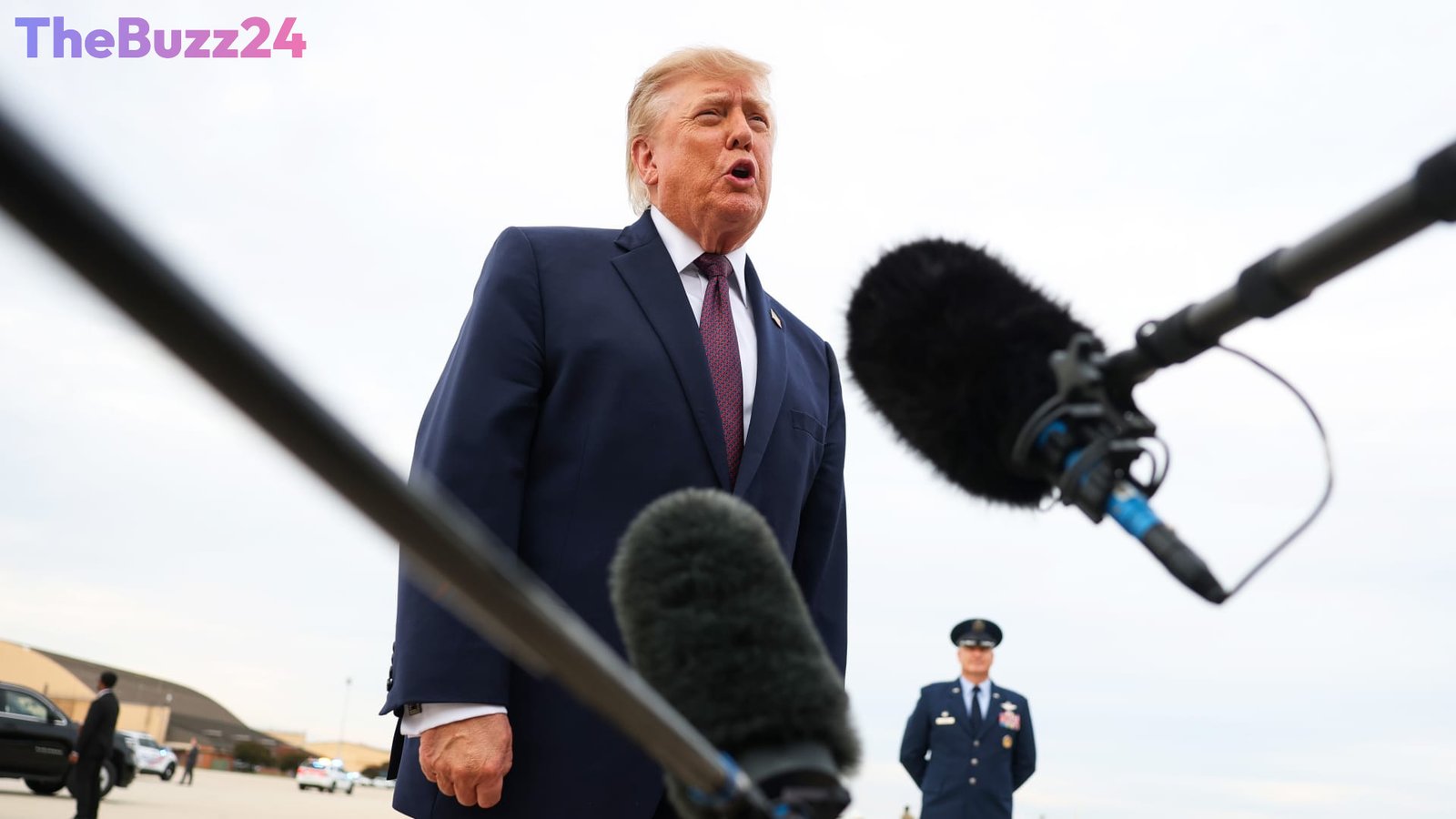
During his re-election campaign, Trump explicitly promised to cut energy prices, stating his administration would lower gasoline costs to below $2 a gallon within his first year. He emphasized that energy policy would be a cornerstone of his economic recovery plan. However, data indicates that the national average for gasoline is on track to be the highest ever recorded on an election day. The price of gasoline has risen nearly 40% compared to the same period last year, reaching an average of $4.20 per gallon. Diesel fuel, essential for transportation and agriculture, has seen an even more dramatic increase, surging approximately 70% over the past year to $6.32 per gallon.
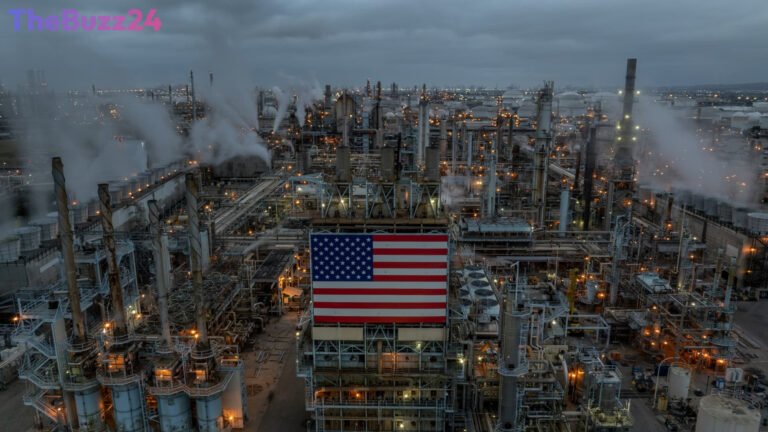
Analysts suggest that geopolitical events, including military actions in the Middle East and ongoing conflicts, have played a crucial role in these price hikes. A joint attack on Iran, followed by retaliatory actions impacting oil flows through the Strait of Hormuz, has disrupted supply chains. Further complications have arisen from attacks on refineries in Saudi Arabia and Ukraine’s actions against Russian refineries. While the White House has stated that fuel prices are a necessary cost to prevent Iran from acquiring nuclear weapons and that prices are expected to drop after the conflict concludes, the immediate impact on consumers and businesses remains significant.
The rising cost of diesel, in particular, is creating economic pressure, especially in agricultural states that rely heavily on this fuel. This has led to political maneuvering, including discussions of export bans and relief programs for farmers. Despite efforts to mitigate the impact, such as executive orders allowing the use of tax-exempt diesel and a deal with Russia for diesel exports, the overall market dynamics, including rising crude oil prices, continue to exert upward pressure on fuel costs, with potential further increases anticipated around the Thanksgiving holiday travel season.
Key Takeaways
- Despite campaign promises to lower fuel prices, gasoline and diesel costs have significantly increased, reaching record highs for an election day.
- Geopolitical tensions and conflicts in the Middle East and Eastern Europe are cited as major contributors to the surge in energy prices.
- High fuel costs are impacting consumers, businesses, and agricultural sectors, leading to political pressure and various mitigation efforts.
Editor’s Analysis & Impact
The current spike in fuel prices presents a complex challenge, highlighting the delicate interplay between political promises, geopolitical instability, and market forces. While the administration points to external factors like international conflicts as primary drivers, the timing of these increases so close to an election cycle inevitably invites scrutiny of domestic energy policies and their effectiveness. The sustained high cost of diesel, a critical component for economic activity, poses a significant risk to inflation control efforts and could dampen economic growth. The market’s reaction, with crude oil prices rising on anticipated post-election escalations, suggests that volatility is likely to persist, making it difficult for consumers and businesses to plan.
Frequently Asked Questions
Q: What were President Trump's promises regarding energy costs?
A: During his 2024 campaign, President Trump promised to slash energy prices, specifically aiming to reduce gasoline costs to below $2 a gallon within his first year in office, stating his policies would cut energy prices in half or more.
Q: What factors are contributing to the current high fuel prices?
A: Key factors include geopolitical tensions and conflicts, particularly in the Middle East, which have disrupted oil supply routes like the Strait of Hormuz. Additionally, attacks on refineries in Saudi Arabia and Ukraine's actions against Russian refineries, along with rising crude oil prices, are contributing to the surge.
Q: What measures have been taken to address high fuel prices?
A: The administration has considered measures such as a diesel export ban, issued an executive order allowing truckers to use tax-exempt offroad diesel on highways, and announced a relief program for farmers. A controversial deal was also struck with Russia for diesel exports, though its impact is considered minimal by analysts.
AI Disclosure: This article is based on verified data and official reports. Our Team and AI have cross-referenced every financial detail with primary sources to ensure total accuracy.
More from this Category