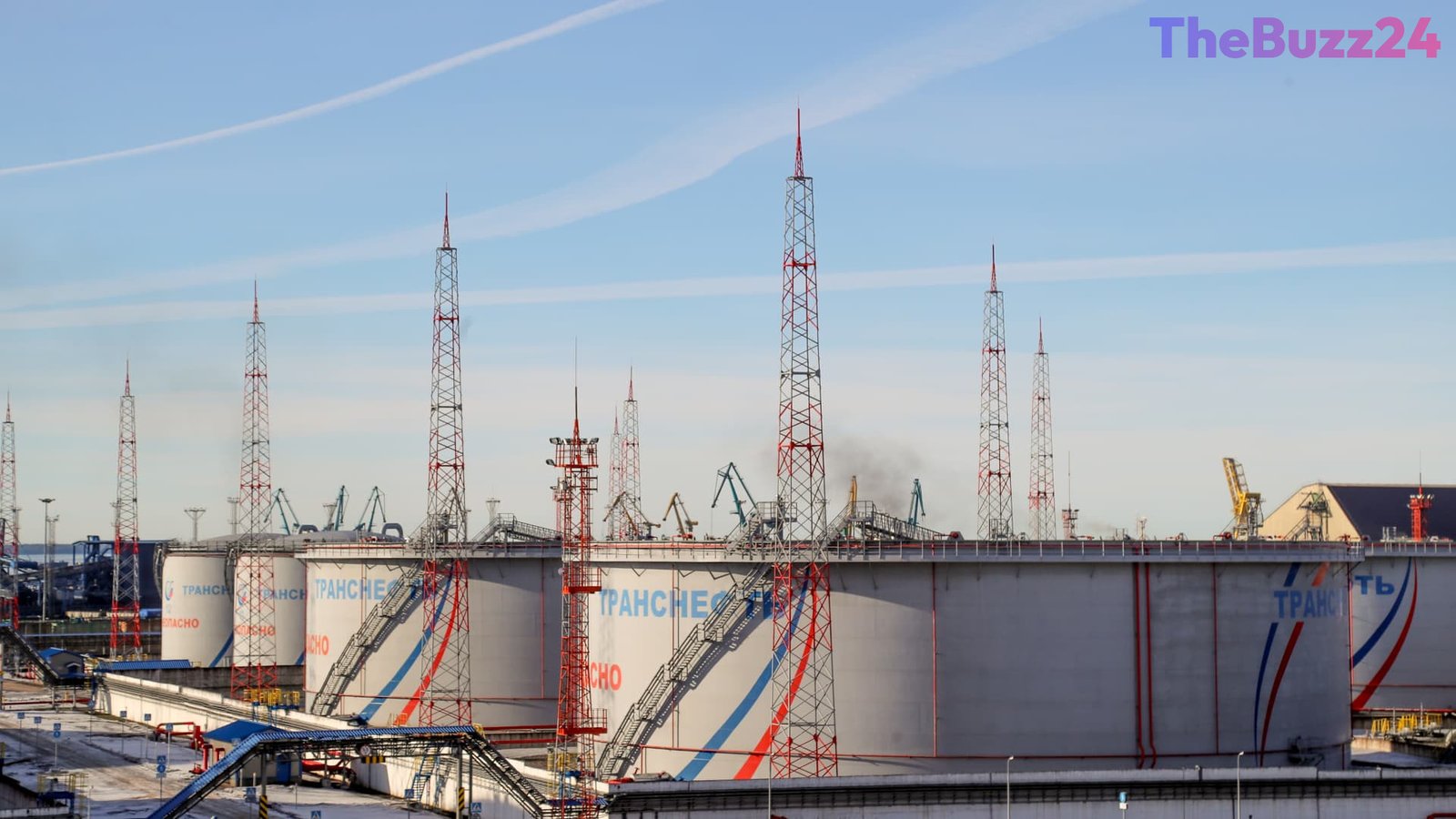
Global Oil Markets Shift to Surplus as Russian Production Climbs
Global oil markets have entered a period of surplus for the first time since the onset of regional conflicts in the Middle East, driven by a significant rebound in Russian crude production. Data indicates that Russian output increased by 210,000 barrels per day in October, reaching a total of 8.73 million barrels per day. This surge in supply has contributed to a broader global increase, with total daily production reaching 105.4 million barrels.
The shift toward a surplus is further supported by production growth in the Americas, specifically from the United States, Canada, Brazil, Argentina, and Guyana. These nations are collectively expected to add 1.6 million barrels per day to the global supply this year. Consequently, global inventories saw their first increase since June, rising by 52 million barrels throughout October.
Despite the rise in crude availability, the market remains bifurcated due to ongoing constraints on refined products. Diesel supplies remain particularly tight as persistent attacks on energy infrastructure in Russia and disruptions across the Middle East continue to hinder exports. To address these shortages, a diplomatic agreement reached in October allows for the continued flow of Russian-origin diesel to international markets under a specific Treasury Department license valid through April 2027. This dual reality of rising crude supply and constrained refined product capacity continues to shape the current energy landscape.
Key Takeaways
- Global oil supply has surpassed demand for the first time since the start of recent Middle East conflicts, reaching 105.4 million barrels per day.
- Russian crude production rose to 8.73 million barrels per day in October, contributing to a global inventory build of 52 million barrels.
- While crude supply is expanding, diesel markets remain constrained due to infrastructure attacks, necessitating special licensing for Russian diesel exports.
Editor’s Analysis & Impact
The transition of the global oil market from a deficit to a surplus marks a pivotal shift in energy economics. While the increase in crude production from non-OPEC+ nations like the U.S. and Guyana provides a buffer against supply shocks, the persistent tightness in diesel markets highlights the fragility of global refining and logistics. The diplomatic intervention regarding Russian diesel exports underscores the delicate balance policymakers must maintain between enforcing sanctions and preventing energy-driven inflation. Looking ahead, the market will likely remain volatile as it navigates the tension between rising crude output and the ongoing vulnerability of critical energy infrastructure. Investors should monitor whether the projected 6.6 million barrel-per-day increase in supply by 2027 will outpace demand growth, potentially leading to a sustained period of lower oil prices.
Frequently Asked Questions
Q: Why is there a surplus of crude oil despite ongoing global conflicts?
A: The surplus is driven by a rebound in Russian production combined with significant output growth from the Americas, including the U.S., Canada, Brazil, Argentina, and Guyana.
Q: If there is a surplus of crude oil, why is diesel still in short supply?
A: Diesel supply remains constrained because of physical attacks on energy infrastructure and logistical disruptions in the Middle East, which limit the ability to refine and export finished products.
AI Disclosure: This article is based on verified data and official reports. Our Team and AI have cross-referenced every financial detail with primary sources to ensure total accuracy.
More from this Category