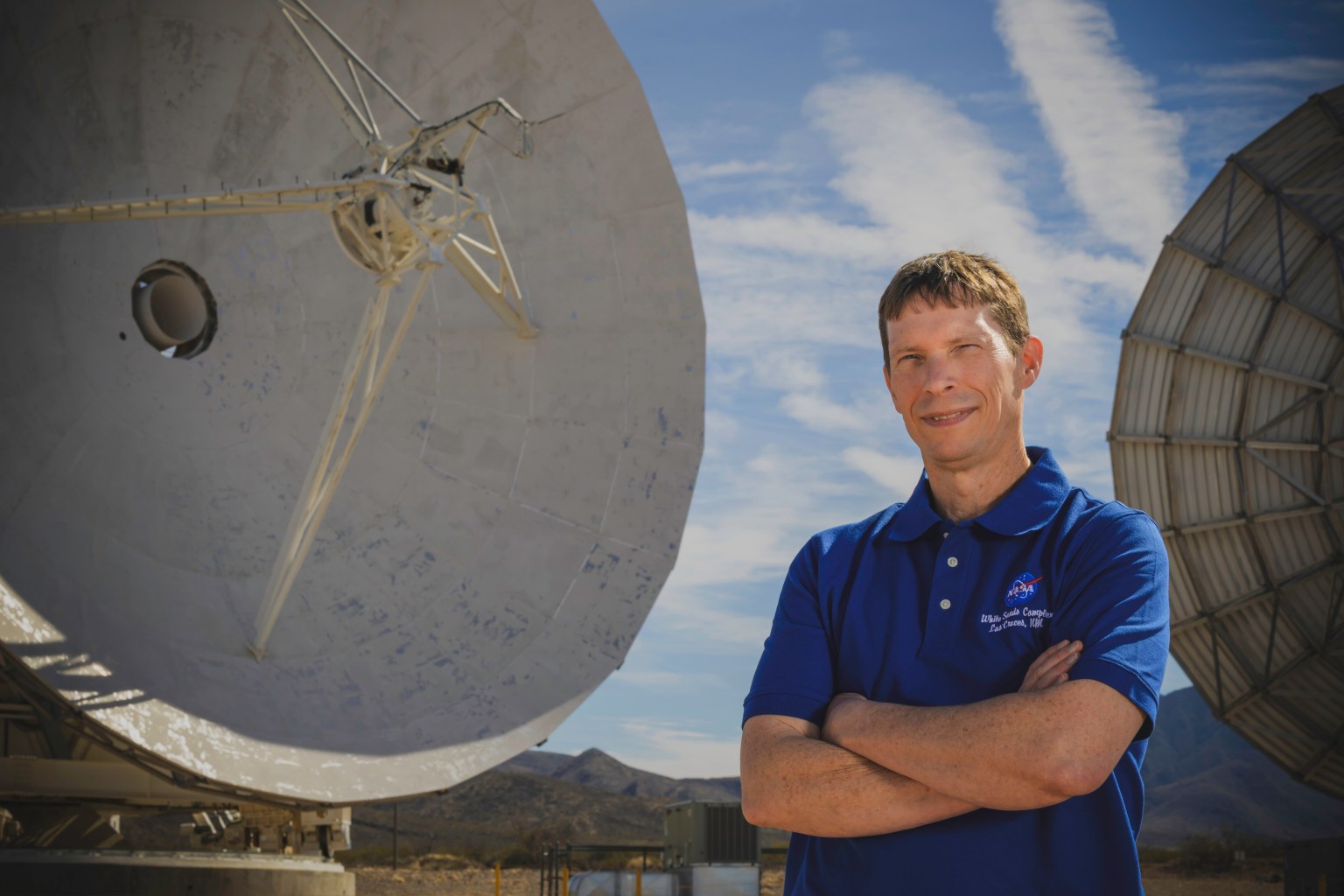
The Invisible Lifeline: Engineering the Communication Network for Artemis II
As the Artemis II mission prepares to return humanity to the lunar vicinity, the success of the crewed flight relies on more than just the raw power of its propulsion systems. Behind the scenes, a critical, invisible infrastructure is being managed by mission manager Erik Richards, who oversees the Near Space Network. This complex web of connectivity is designed to maintain a constant, unbreakable link between the Orion spacecraft and mission control, spanning the entire duration of the journey from liftoff to the final splashdown.
To ensure the highest standards of mission safety, Richards coordinates a sophisticated architecture that includes a vast array of relay satellites and more than 40 ground stations positioned strategically across the globe. By synchronizing the Near Space Network with the Deep Space Network, the engineering team has created a robust communication framework capable of managing high-volume data streams for multiple simultaneous space missions. Richards brings extensive logistical experience to this role, having previously managed operations in challenging environments ranging from Antarctica’s McMurdo Station to the Goddard Space Flight Center.
Beyond the immediate scope of the 10-day Artemis II flight, the protocols being refined today serve as a cornerstone for future deep-space exploration. These systems are essential for the success of subsequent lunar missions and the long-term objective of establishing a permanent human presence on the Moon. For Richards, the mission represents the intersection of lifelong technical expertise and the practical requirements of modern spaceflight, underscoring that the success of deep-space endeavors is as much a product of ground-based engineering as it is of the astronauts piloting the craft.
Key Takeaways
- Erik Richards is leading the communication infrastructure efforts to ensure continuous, reliable contact between the Orion spacecraft and Earth.
- The mission relies on the Near Space Network, which integrates relay satellites and over 40 global ground stations to maintain data connectivity.
- The communication protocols established for Artemis II are foundational for future long-term lunar exploration and permanent human habitation.
Editor’s Analysis & Impact
The reliance on ground-based communication infrastructure is a critical, often overlooked component of modern aerospace engineering. Erik Richards’ work highlights a strategic shift toward a more integrated, globalized approach to space communications that leverages both government and commercial assets. As space agencies move toward a sustained lunar presence, the ability to manage high-bandwidth, low-latency data across vast distances will become a primary determinant of mission success. This infrastructure not only supports the Artemis program but also establishes a blueprint for future commercial space ventures and international cooperation. The industry is effectively moving toward a ‘lunar internet’ model, where reliable, persistent connectivity will be as vital to lunar settlers as life-support systems, marking a significant evolution in how we manage deep-space operations.
Frequently Asked Questions
Q: What is the Near Space Network?
A: The Near Space Network is a global infrastructure composed of relay satellites and over 40 ground stations designed to provide continuous, reliable communication for spacecraft.
Q: Why is Erik Richards' role essential for the Artemis II mission?
A: Richards is responsible for orchestrating the synchronized operation of communication channels, ensuring the Orion spacecraft remains in constant contact with mission control during all critical phases of the flight.
AI Disclosure: This article is based on verified data and official reports. Our Team and AI have cross-referenced every financial detail with primary sources to ensure total accuracy.
More from this Category