Global Energy Markets Surge Amid Strait of Hormuz Standoff
Global energy markets are experiencing significant volatility as geopolitical tensions escalate in the Middle East, specifically surrounding the critical Strait of Hormuz. Following recent rhetoric from the U.S. administration regarding the ongoing conflict with Iran, hopes for a swift diplomatic resolution have faded, leading to a sharp upward trajectory in crude oil prices. West Texas Intermediate (WTI) futures for May delivery surged by 4.76% to $104.89 per barrel, while Brent crude for June delivery rose by 5.7% to $106.96 per barrel.
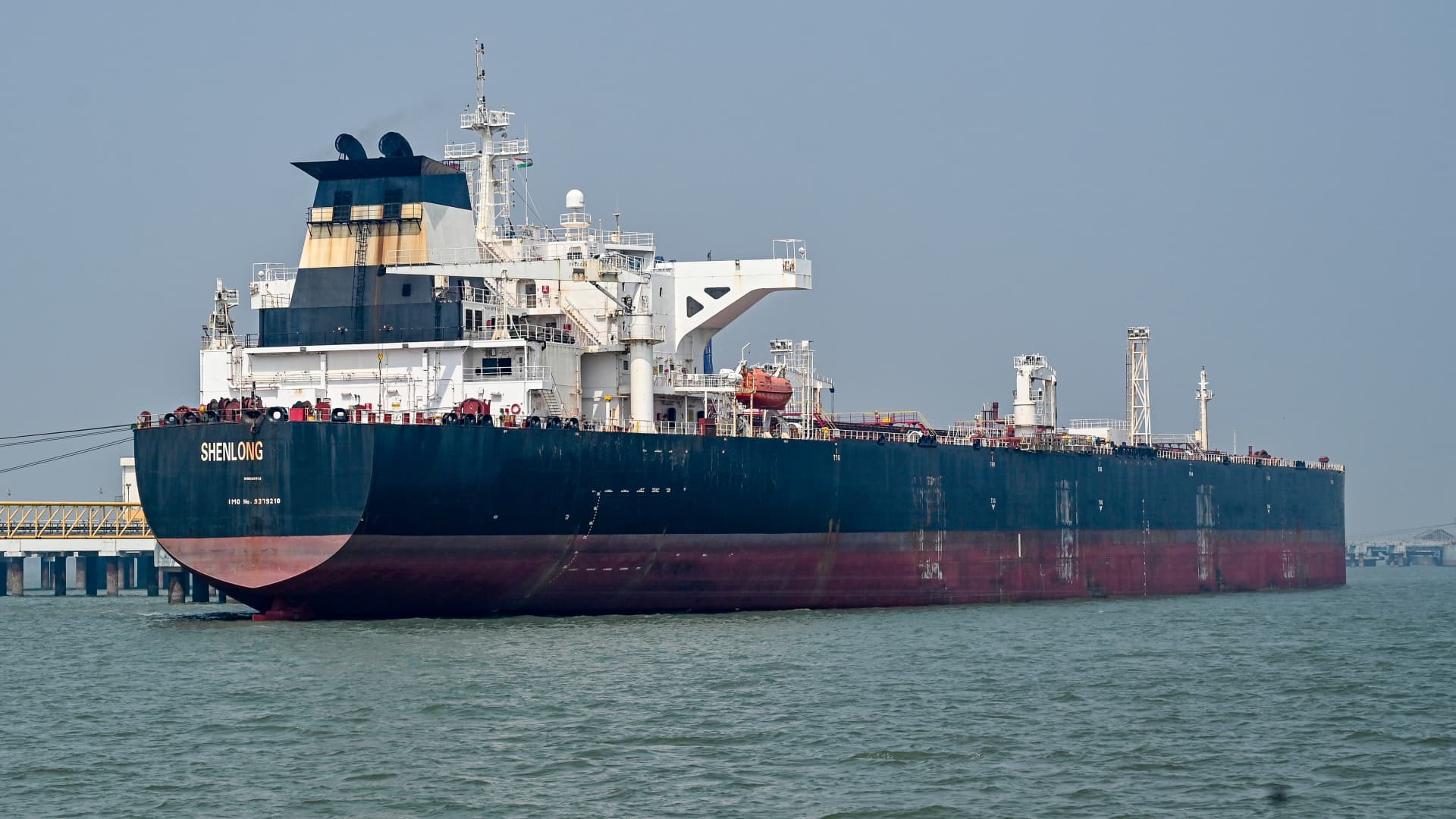
The primary driver of this market instability is the continued closure of the Strait of Hormuz, a vital maritime chokepoint that facilitates the transit of roughly 20% of the world’s oil and gas supply. Since the conflict intensified on February 28, commercial shipping through this corridor has effectively halted. Analysts indicate that the region remains under the control of the IRGC Navy, which has thus far rebuffed diplomatic efforts to reopen the waterway, suggesting that a return to normal tanker traffic is unlikely in the immediate future.
Adding to the economic uncertainty is a deepening diplomatic stalemate between Washington and Tehran. While the U.S. has conditioned any potential ceasefire on the reopening of the Strait, Iranian officials have dismissed these demands as unreasonable. This lack of clear communication and the hardening of positions on both sides have fostered a ‘risk-off’ environment for global investors. As the situation remains fluid, market participants are preparing for a period of sustained instability that is expected to keep upward pressure on global commodity prices for the foreseeable future.
Key Takeaways
- Crude oil prices saw a significant jump, with WTI and Brent crude rising by 4.76% and 5.7% respectively.
- The Strait of Hormuz, which handles 20% of global oil transit, remains closed to commercial shipping due to the ongoing conflict.
- Diplomatic efforts to reopen the waterway have stalled, with both the U.S. and Iran maintaining conflicting demands.
Editor’s Analysis & Impact
The current situation in the Strait of Hormuz represents a classic supply-side shock that threatens to disrupt the global economic recovery. Because this chokepoint is essential for the flow of energy to both Western and Asian markets, the prolonged closure acts as a direct tax on global industry. From a market perspective, the volatility is exacerbated by the lack of a clear diplomatic roadmap, forcing traders to price in a ‘risk premium’ that will likely keep oil prices elevated. If the standoff continues, we can expect inflationary pressures to mount, potentially forcing central banks to reconsider their monetary policy stances. The broader implication is a shift in energy security strategies, as nations may accelerate their transition to alternative energy sources to reduce dependence on vulnerable maritime routes.
Frequently Asked Questions
Q: Why is the Strait of Hormuz so important to global oil prices?
A: The Strait of Hormuz is a critical maritime chokepoint through which approximately 20% of the world's total oil and gas supply passes. Any disruption there significantly restricts global supply, leading to immediate price spikes.
Q: What is the current status of shipping in the Strait?
A: Commercial shipping through the Strait of Hormuz has effectively ceased since February 28, as the region remains under the control of the IRGC Navy.
AI Disclosure: This article is based on verified data and official reports. Our Team and AI have cross-referenced every financial detail with primary sources to ensure total accuracy.
More from this Category