Accra Faces Humanitarian Crisis as Deadly Floods Devastate Ghana’s Capital
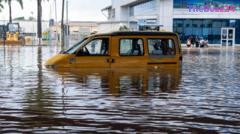
A catastrophic flooding event in Accra, Ghana, has claimed at least 13 lives, leaving the city in a state of emergency as authorities brace for further severe weather. Torrential downpours, which saw approximately 140mm of rainfall in a single night—nearly triple the highest daily record from the previous year—have submerged homes, destroyed critical infrastructure, and forced hundreds of residents to evacuate. Emergency response teams, including military and police units, have successfully rescued over 470 individuals, though officials warn that the death toll may rise as recovery efforts continue.
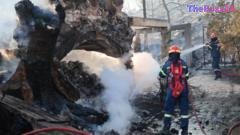
The impact of the deluge has been widespread, leading to the closure of businesses and markets across the capital. In addition to the flooding, the city faced a secondary crisis when a fire broke out at a local rubber factory. To prevent further casualties and protect electrical infrastructure, the Ghana Grid Company Limited and the Electricity Company of Ghana have implemented temporary power shutdowns in the most severely affected districts. The government has issued urgent directives for citizens to move to higher ground and avoid traversing flooded roads, while the president has ordered the immediate demolition of illegal structures built on waterways that have historically exacerbated drainage issues.
Experts and government officials are increasingly linking the intensity of these floods to the dual pressures of rapid, unplanned urbanization and the escalating effects of climate change. With the Ghana Meteorological Agency forecasting additional storms, the city remains on high alert. The disaster has reignited calls for comprehensive urban planning reforms and more robust disaster preparedness strategies to protect the city’s four million residents from the recurring threat of extreme weather events.
Key Takeaways
- At least 13 people have died in Accra following record-breaking rainfall that submerged large portions of the city.
- Emergency services have rescued over 470 people, while the government has ordered the demolition of illegal structures blocking drainage systems.
- Authorities have warned of further incoming storms, prompting power shutdowns and urgent public safety advisories.
Editor’s Analysis & Impact
The flooding in Accra serves as a stark case study for the intersection of rapid urbanization and climate change in West Africa. As one of the continent’s fastest-growing cities, Accra’s infrastructure is struggling to keep pace with its population density, particularly regarding drainage and zoning enforcement. The economic impact of these floods is significant, as the destruction of businesses and the forced shutdown of power grids disrupt local commerce and supply chains. Moving forward, the government faces the difficult political and logistical task of clearing illegal settlements while simultaneously investing in climate-resilient infrastructure. Without a fundamental shift toward sustainable urban planning and proactive flood mitigation, the city remains highly vulnerable to the increasing frequency of extreme weather events, which will continue to threaten both human life and long-term economic stability.
Frequently Asked Questions
Q: Why is flooding such a recurring issue in Accra?
A: Flooding in Accra is primarily caused by a combination of inadequate drainage systems, the accumulation of waste in gutters, and the construction of illegal structures on natural waterways, which prevents water from flowing away during heavy rains.
Q: What should residents do if they are in a flood-prone area in Accra?
A: Residents are advised to move to higher ground immediately, avoid walking or driving through floodwaters, stay away from loose electrical wires, and call 112 for emergency assistance if their homes are being inundated.
AI Disclosure: This article is based on verified data and official reports. Our Team and AI have cross-referenced every financial detail with primary sources to ensure total accuracy.
More from this Category