NeoCognition Emerges from Stealth with $40M to Pioneer Self-Learning AI Agents
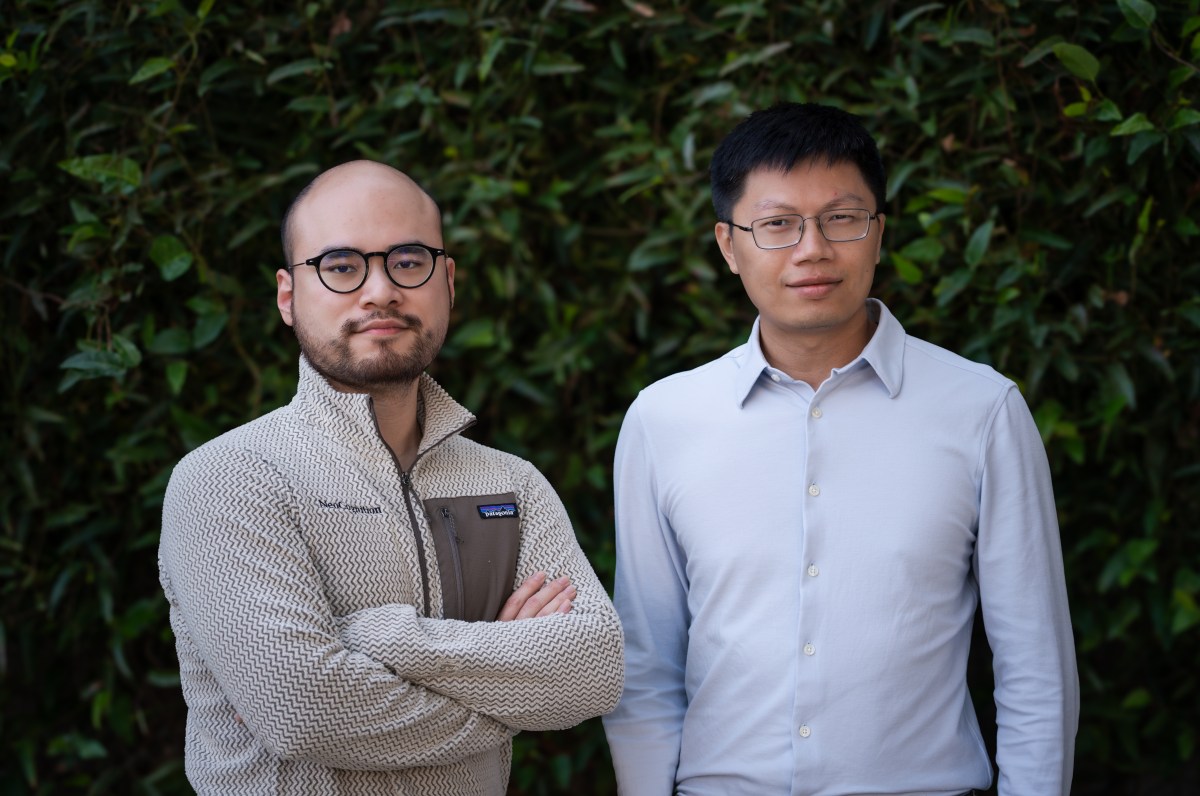
NeoCognition, an advanced artificial intelligence research laboratory, has officially exited stealth mode after securing $40 million in a seed funding round. Founded by Ohio State professor Yu Su, the startup is focused on developing autonomous AI agents capable of self-learning and domain-specific specialization. By mimicking the professional development of human experts, the company aims to overcome the reliability issues that currently plague general-purpose AI models.
The core innovation behind NeoCognition lies in its ability to allow AI agents to construct internal models of ‘micro worlds.’ This process enables the software to master the intricate rules, workflows, and relationships inherent in specific professional environments. Unlike current tools that struggle with consistency, NeoCognition’s technology is engineered to perform autonomous, high-stakes tasks with the precision required for enterprise-level operations.
The funding round was co-led by Cambium Capital and Walden Catalyst Ventures, with significant backing from Vista Equity Partners and prominent industry leaders, including Intel’s Lip-Bu Tan and Databricks co-founder Ion Stoica. This capital injection is expected to accelerate the company’s mission to integrate its specialized AI workers into the broader software-as-a-service (SaaS) market, providing established firms with the tools to modernize their product ecosystems.
Currently operating with a lean, highly specialized team of 15 researchers—the majority of whom hold PhDs—NeoCognition is prioritizing the enterprise sector. By partnering with existing SaaS providers, the company plans to deploy its sophisticated agents to handle complex, domain-specific workflows, effectively bridging the gap between experimental AI research and practical, reliable business applications.
Key Takeaways
- NeoCognition raised $40 million in seed funding to develop AI agents that autonomously learn and specialize in specific professional domains.
- The technology focuses on creating 'micro worlds' to solve reliability and consistency issues found in generalist AI models.
- The startup plans to partner with established SaaS providers to integrate its specialized AI workers into existing enterprise software ecosystems.
Editor’s Analysis & Impact
The emergence of NeoCognition signals a critical shift in the AI industry: a move away from ‘jack-of-all-trades’ large language models toward highly specialized, autonomous agents. By focusing on domain-specific mastery rather than broad generalization, the company is addressing the primary barrier to AI adoption in the enterprise sector—reliability. The involvement of heavyweights like Vista Equity Partners and industry veterans like Ion Stoica suggests that the market is hungry for AI that can function as a reliable ‘digital employee’ rather than just a chatbot. If successful, NeoCognition’s approach could force a paradigm shift in the SaaS industry, where software platforms are no longer just tools for human input, but ecosystems managed by autonomous, self-learning agents. This could significantly disrupt traditional labor models in professional services, legal, and technical fields.
Frequently Asked Questions
Q: What makes NeoCognition's AI different from existing models?
A: Unlike generalist AI models that attempt to answer any query, NeoCognition focuses on agents that self-learn the specific rules and relationships of a particular professional domain, leading to higher reliability and consistency.
Q: Who is the target market for NeoCognition?
A: The company is primarily targeting the enterprise sector, specifically aiming to provide its agent technology to established SaaS providers who want to integrate specialized AI capabilities into their existing products.
AI Disclosure: This article is based on verified data and official reports. Our Team and AI have cross-referenced every financial detail with primary sources to ensure total accuracy.
More from this Category