Antitrust Concerns Halt Paramount-Warner Bros. Discovery Merger with Temporary Restraining Order
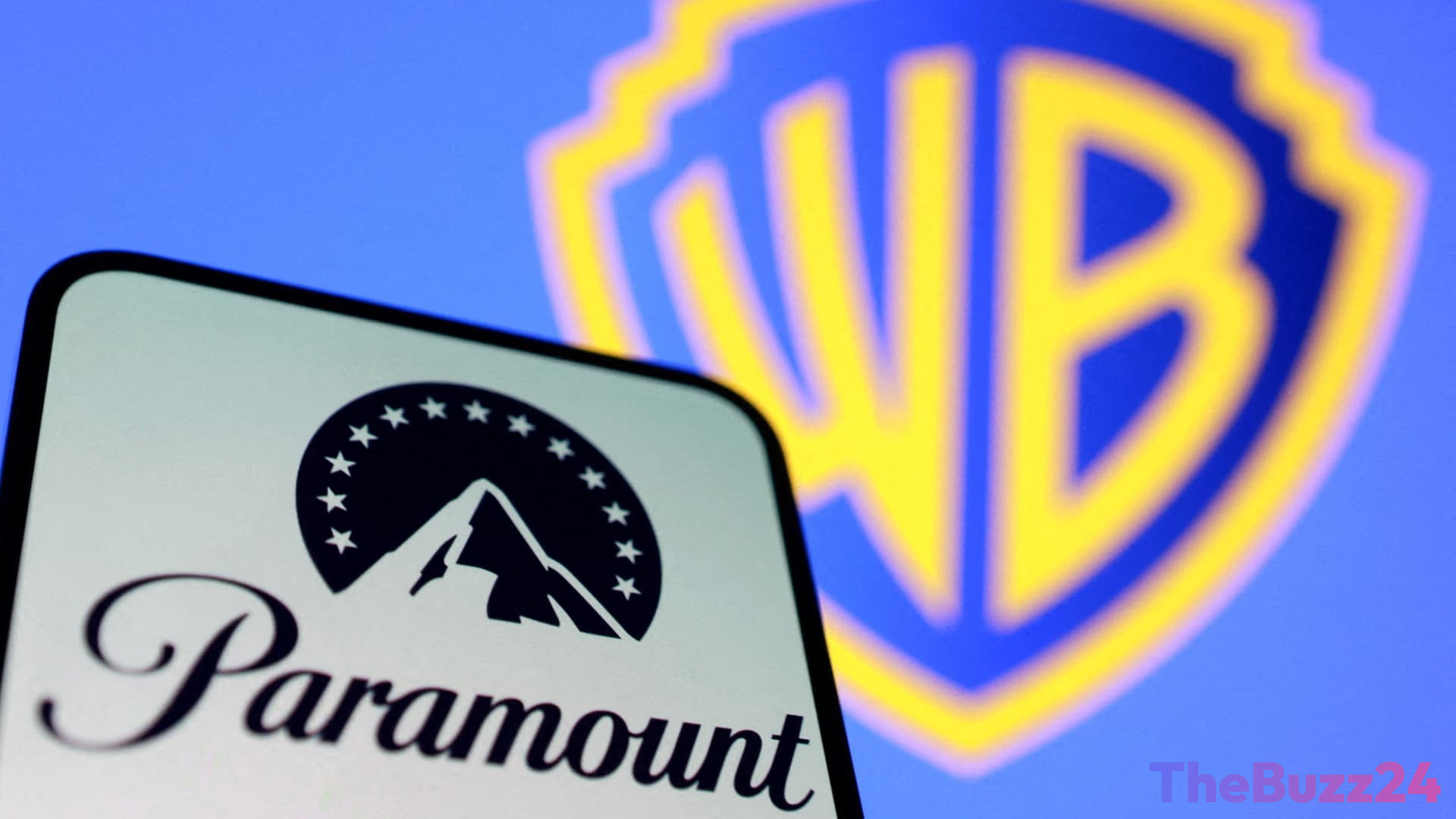
A proposed merger between media giants Paramount and Warner Bros. Discovery (WBD) has been temporarily halted by a court order, pausing the deal for 14 days. The action follows a lawsuit initiated by a coalition of state attorneys general, spearheaded by California’s Rob Bonta, who raised significant antitrust concerns regarding the potential consolidation.
The $110 billion acquisition aims to combine the extensive assets of both companies, including the iconic film studios of Paramount and Warner Bros., the CBS broadcast network, a vast portfolio of pay TV channels such as CNN, TNT, MTV, and BET, alongside streaming platforms Paramount+ and HBO Max. The state attorneys general argue that such a merger would violate the Clayton Antitrust Act, a century-old law designed to prevent anticompetitive mergers. California District Judge Araceli Martínez-Olguín granted the temporary restraining order after concluding that the states presented “compelling evidence that the combined firm resulting from the transaction will possess substantial market share in the wide-release theatrical distribution market.” The lawsuit includes states like Arizona, Colorado, Connecticut, Massachusetts, Minnesota, Nevada, New Jersey, New Mexico, New York, Oregon, and Washington.
Paramount has vigorously defended the transaction, asserting that it is “pro-competitive” and lawful. A company spokesperson stated that the evidence would demonstrate the state attorneys general’s antitrust arguments are “without merit,” claiming their allegations of anticompetitive effects lack basis in modern market realities. Paramount maintains the merger would benefit consumers, creators, workers, and the entertainment industry, and has expressed confidence in successfully defending the deal against the legal challenge. The company had previously offered to delay the deal’s closing until mid-August to avoid such an order, and is grateful for the court’s order in preserving the status quo.
Despite having received approval from the U.S. Department of Justice and several global jurisdictions, the merger faces potential further delays. The states could seek additional temporary restraining orders or a preliminary injunction after the initial 14-day period. Should the transaction extend beyond September 30, Paramount could incur a “ticking fee” of an additional 25 cents per share per quarter paid to WBD shareholders, amounting to approximately $650 million in cash value quarterly. Furthermore, Paramount has agreed to a substantial $7 billion breakup fee if the deal ultimately fails due to regulatory hurdles.
Key Takeaways
- A temporary restraining order has paused the proposed Paramount-Warner Bros. Discovery merger for 14 days due to antitrust concerns.
- The lawsuit, led by California's Rob Bonta, alleges the $110 billion deal would create an anticompetitive market concentration across film studios, broadcast networks, pay TV, and streaming services.
- Paramount maintains the merger is "pro-competitive" and lawful, but faces potential significant financial penalties, including a 'ticking fee' and a $7 billion breakup fee, if the deal is delayed or ultimately fails.
Editor’s Analysis & Impact
This temporary restraining order against the Paramount-Warner Bros. Discovery merger signals a heightened scrutiny from state attorneys general on large-scale media consolidation. The immediate market impact is uncertainty, potentially affecting investor confidence in both companies and the broader media sector. Should the legal challenges persist, it could set a precedent for future mergers, making it more difficult for media conglomerates to expand through acquisition without facing significant regulatory hurdles.
The future outlook suggests a prolonged legal battle, with the 14-day pause likely just the beginning. The financial implications for Paramount, including potential ticking fees and a substantial breakup fee, add pressure. This case underscores the ongoing tension between corporate growth ambitions and public interest concerns regarding market concentration, especially in a rapidly evolving entertainment landscape where content ownership and distribution are key competitive battlegrounds. The outcome will undoubtedly reshape strategies for media companies considering similar consolidation moves.
Frequently Asked Questions
Q: What is the primary reason for the temporary restraining order against the Paramount-WBD merger?
A: The order was issued due to a lawsuit filed by a coalition of state attorneys general, led by California's Rob Bonta, who allege the proposed merger would violate the Clayton Antitrust Act by creating an anticompetitive market concentration in the entertainment industry.
Q: Which companies and assets are involved in the proposed merger?
A: The merger involves Paramount and Warner Bros. Discovery, aiming to unite their film studios, broadcast networks like CBS, pay TV channels including CNN, TNT, MTV, and BET, and streaming services Paramount+ and HBO Max.
Q: What are the potential financial consequences if the deal is delayed or fails?
A: If the transaction is delayed beyond September 30, Paramount could incur a 'ticking fee' of 25 cents per share per quarter to WBD shareholders. Additionally, Paramount has agreed to a $7 billion breakup fee if the deal ultimately collapses due to regulatory concerns.
AI Disclosure: This article is based on verified data and official reports. Our Team and AI have cross-referenced every financial detail with primary sources to ensure total accuracy.
More from this Category