Appeals Court Empowers States to Regulate Kalshi’s Sports Prediction Markets
A federal appeals court has delivered a significant legal setback to the prediction market industry by ruling that individual states possess the authority to oversee sports-related event contracts. The unanimous decision by a three-judge panel on the 6th U.S. Circuit Court of Appeals determines that both Ohio and Tennessee can legally apply their state gambling regulations to platforms like Kalshi.
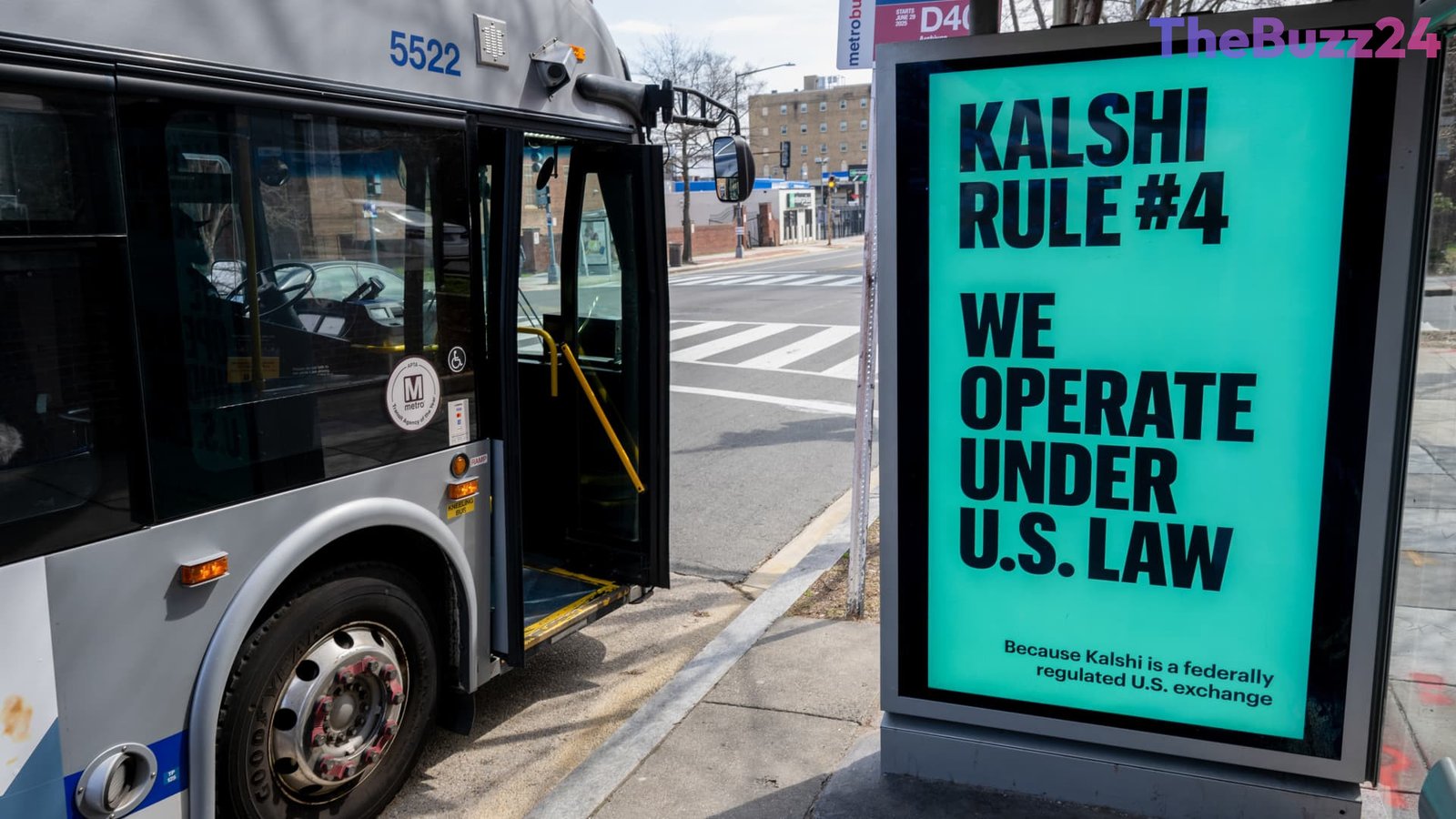
At the heart of the dispute is a fundamental disagreement over classification. Kalshi and similar financial exchanges maintain that their event contracts qualify as ‘swaps’—a category of financial derivatives falling under the exclusive oversight of the Commodity Futures Trading Commission. Conversely, state regulators argue that wagering on sports outcomes via these contracts constitutes conventional sports betting, which must adhere to local gaming laws and tax structures.
Friday’s ruling concluded that even if the contested offerings could be classified as swaps, federal law does not preempt state gambling statutes. This verdict overturns a previous ruling from a Tennessee federal district court that had favored Kalshi, while reinforcing a contrasting decision from an Ohio court. With conflicting appellate rulings now emerging across the nation, legal experts widely anticipate that the ultimate authority over sports-based prediction markets will ultimately be decided by the U.S. Supreme Court.
Key Takeaways
- The 6th U.S. Circuit Court of Appeals ruled that Ohio and Tennessee can apply state gambling laws to Kalshi's sports prediction contracts.
- The panel rejected the argument that federal jurisdiction over swaps preempts state-level gambling regulations.
- This marks the second federal appeals court decision favoring state oversight, setting up a likely showdown at the U.S. Supreme Court.
Editor’s Analysis & Impact
The 6th Circuit’s decision marks a critical turning point in the jurisdictional tug-of-war between federal financial regulators and state-level gaming authorities. As prediction markets expand rapidly, the friction between federally regulated financial derivatives and localized sports betting laws creates immense compliance hurdles for operators. With circuit courts now issuing conflicting opinions—such as the recent rulings in the 6th and 9th Circuits contrasting with earlier stances—the legal ambiguity threatens to fragment the industry. Investors and platform operators must now navigate a patchwork of state laws while awaiting what will almost certainly become a landmark Supreme Court case to define the future boundaries of digital prediction markets.
Frequently Asked Questions
Q: What did the 6th U.S. Circuit Court of Appeals decide regarding Kalshi?
A: The court ruled that Ohio and Tennessee have the legal right to enforce their state gambling laws on Kalshi's sports-related event contracts, rejecting the platform's claim of exclusive federal oversight.
Q: Why are states and prediction markets in a legal dispute?
A: Platforms argue that event contracts are financial swaps regulated exclusively by the Commodity Futures Trading Commission, while states contend that sports-related contracts are a form of gambling subject to local laws and taxes.
Q: Will this case go to the U.S. Supreme Court?
A: Legal experts widely expect the ongoing dispute over sports prediction market regulations to ultimately reach the U.S. Supreme Court due to conflicting rulings among federal circuit courts.
AI Disclosure: This article is based on verified data and official reports. Our Team and AI have cross-referenced every financial detail with primary sources to ensure total accuracy.
More from this Category