Pageantry Outweighs Policy as Trump and Xi Conclude High-Stakes Washington Summit
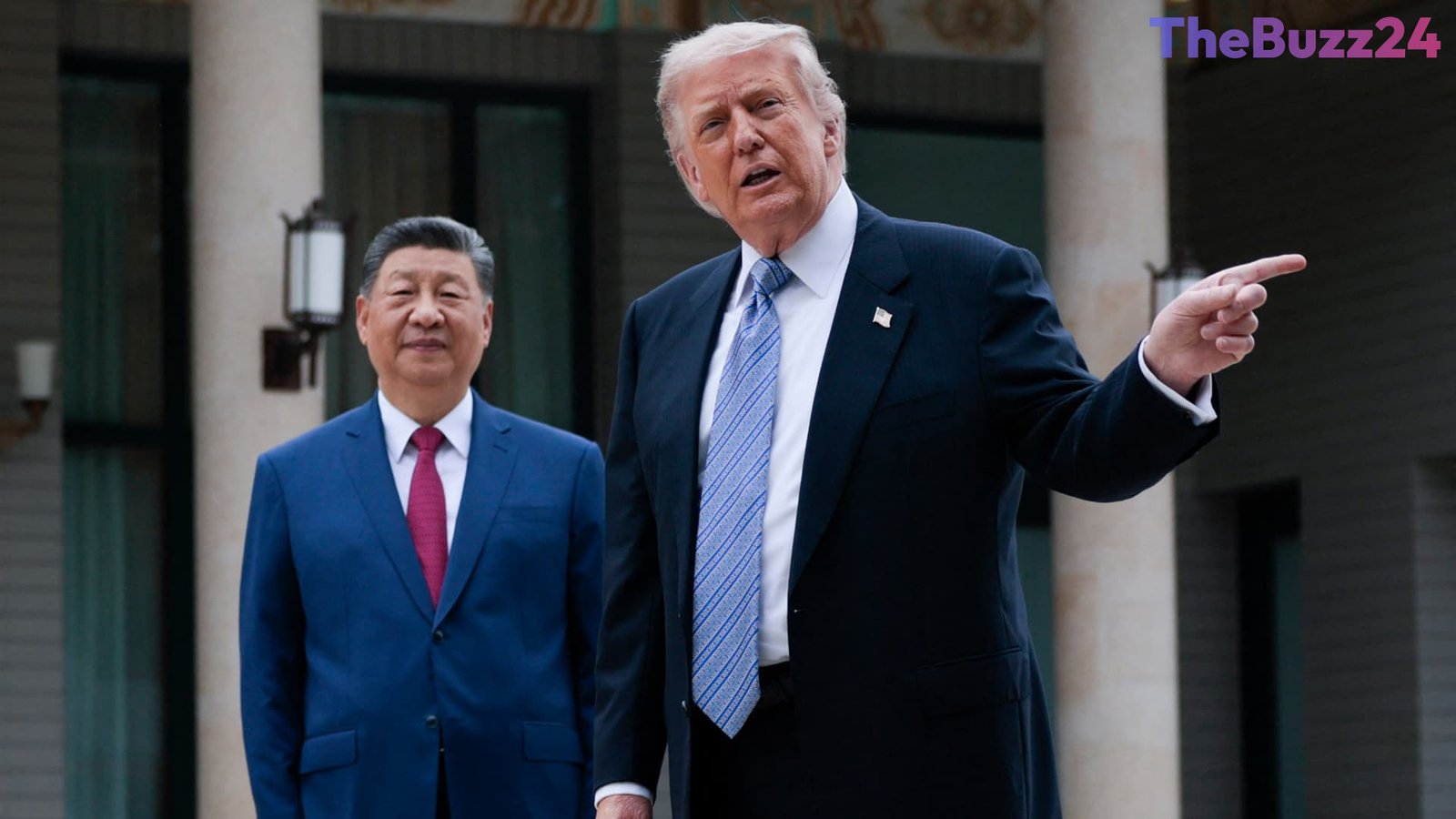
President Donald Trump and Chinese leader Xi Jinping concluded a multi-day state visit in Washington this week, marked by heavy pageantry, red-carpet welcomes, and a temporary extension of bilateral trade agreements, though the high-profile summit ultimately yielded few substantive policy breakthroughs on major global tensions.
Throughout the three-day diplomatic engagement, the two leaders participated in elaborate ceremonial events, including a military review in the Rose Garden, a splashy state dinner attended by prominent technology and finance executives, and visits to historical landmarks. Against this backdrop of diplomatic warmth, Treasury officials announced that the current U.S.-China trade truce would be extended by two months, preventing the expiration of tariffs and export provisions that had previously been negotiated.
Despite the cordial atmosphere, critical geopolitical and technological issues remained largely unresolved. The discussions notably lacked concrete agreements regarding artificial intelligence regulation, military risk reduction, or ongoing international conflicts. While both leaders acknowledged the necessity of managing advanced technologies responsibly, no formal framework was established to curb potential AI risks, leaving industry observers to question how the two superpowers will navigate future technological competition.
Analysts note that the heavy emphasis on ceremony over structural policy shifts may have been a deliberate strategy by the administration to maintain economic stability ahead of upcoming domestic political milestones. However, foreign policy experts warn that underlying tensions remain unaddressed beneath the surface calm, suggesting that more contentious negotiations lie ahead as both nations prepare for subsequent diplomatic summits later in the year.
Key Takeaways
- President Trump and leader Xi agreed to a two-month extension of the existing U.S.-China trade truce.
- The summit featured extensive diplomatic pageantry and military ceremonies but produced few concrete policy agreements.
- Major global concerns, including artificial intelligence regulations and international conflicts, were left without formal resolutions.
Editor’s Analysis & Impact
The recent Washington summit between the U.S. and Chinese leadership highlights a pragmatic approach to short-term economic stability at the expense of long-term structural resolution. By opting for a temporary trade truce extension and focusing heavily on diplomatic hospitality, both administrations successfully avoided immediate market volatility. However, the conspicuous absence of substantive agreements on critical issues like artificial intelligence governance and geopolitical flashpoints indicates that the underlying strategic competition remains robust. As both nations head toward subsequent multilateral meetings later in the year, market participants should remain cautious, as the current surface-level calm could rapidly give way to renewed trade and technological friction.
Frequently Asked Questions
Q: What was the main outcome of the trade discussions during the summit?
A: The U.S. and China agreed to a two-month extension of their existing trade truce, preventing the immediate expiration of lowered tariffs and export controls.
Q: Were any major agreements reached regarding artificial intelligence?
A: No formal agreements or regulatory frameworks regarding artificial intelligence were established during the visit, though both leaders acknowledged the importance of managing the technology safely.
Q: Why was the summit heavily focused on ceremonial events?
A: Analysts suggest the emphasis on pageantry and hospitality was a deliberate effort to project stability and keep financial markets calm ahead of domestic political cycles.
AI Disclosure: This article is based on verified data and official reports. Our Team and AI have cross-referenced every financial detail with primary sources to ensure total accuracy.
More from this Category