NASA Advances Small Satellite Efficiency with Dual-Mode Propulsion Breakthrough
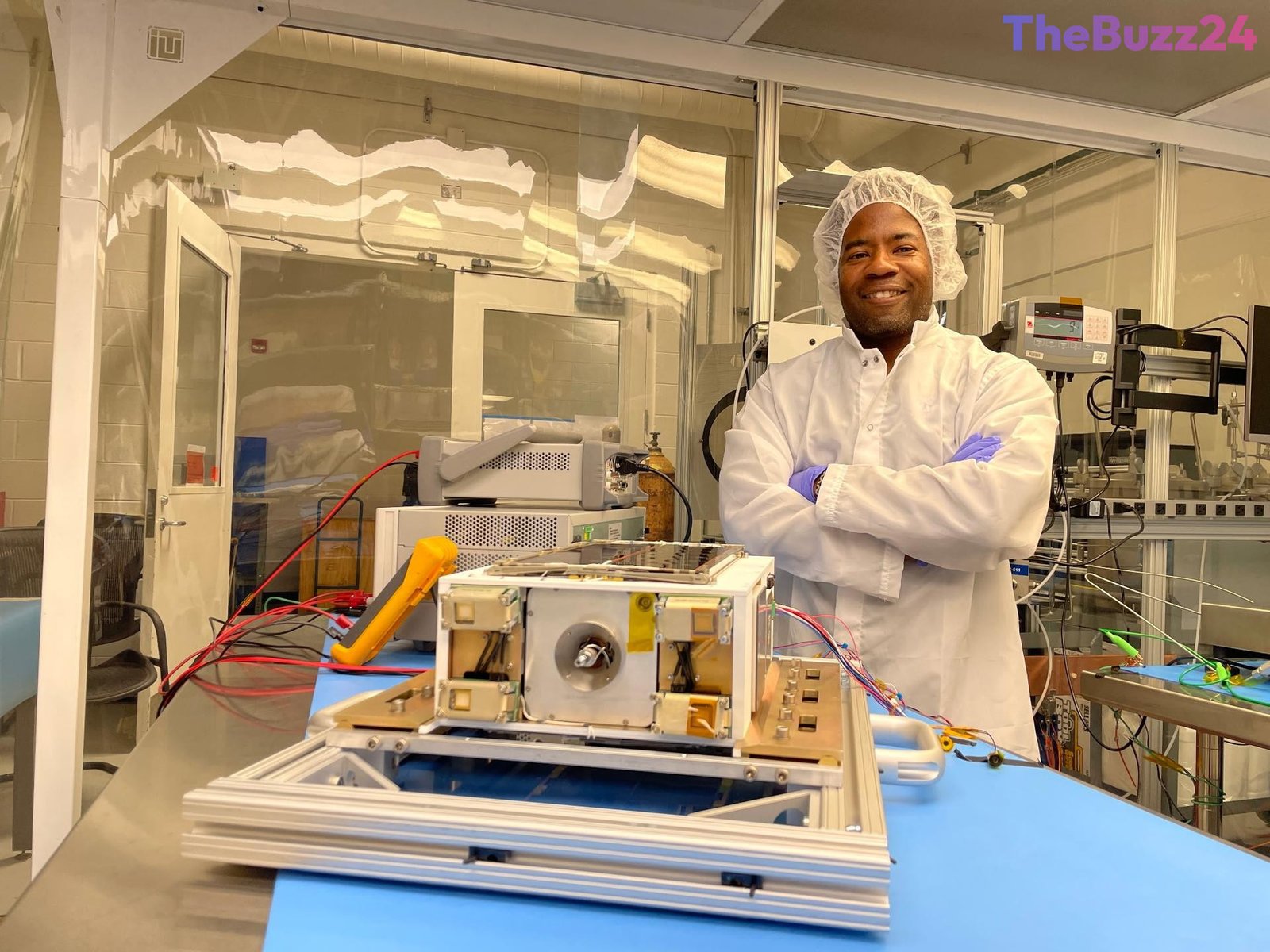
NASA has successfully completed a rigorous testing phase for a new CubeSat mission designed to revolutionize how small spacecraft maneuver in orbit. The project, known as the ASCENT (Advanced Spacecraft Energetic Non-Toxic) Propulsion Dual Mode mission, aims to replace traditional, bulky propulsion systems with a single, integrated unit. By utilizing a common fuel tank to power both high-thrust chemical engines and low-thrust electric thrusters, the mission seeks to significantly reduce the weight and volume requirements for small satellites.
Typically, spacecraft must carry separate propulsion systems to handle different tasks: high-thrust chemical systems for rapid orbital changes and low-thrust electric systems for precise, efficient maneuvering. This dual-system approach often consumes valuable space and adds significant mass. The new design utilizes a non-toxic propellant called ASCENT, which feeds both engine types from one central source. This innovation not only saves space but also allows for more scientific instrumentation to be packed into the shoebox-sized satellite, potentially lowering launch costs by enabling the use of smaller rockets.
The development of this technology is a collaborative effort involving NASA’s Marshall Space Flight Center, the Massachusetts Institute of Technology, Plasma Processes, and the Georgia Institute of Technology. To ensure the hardware can withstand the harsh realities of space, the team subjected the CubeSat to a series of intense ground tests. These included pressurized helium leak tests to verify seal integrity, thermal vacuum testing to simulate extreme temperature fluctuations, and spin tests to ensure the spacecraft’s center of gravity allows for stable flight and communication.
With ground testing concluded, the mission is scheduled to launch aboard a SpaceX Falcon 9 rocket. Once deployed into low Earth orbit, the spacecraft will undergo a nine-month demonstration period. During this time, operators will execute a series of maneuvers alternating between the chemical and electric engines to validate the dual-mode concept. If successful, this technology could set a new standard for small satellite design, offering greater flexibility and efficiency for future space exploration missions.
Key Takeaways
- The ASCENT mission tests a dual-mode propulsion system that uses a single fuel tank to power both high-thrust and low-thrust engines.
- The design significantly reduces spacecraft mass and volume, allowing for more scientific instruments and cheaper launch options.
- The CubeSat has successfully passed environmental and physical stress tests, including thermal vacuum and spin testing, ahead of its upcoming launch.
Editor’s Analysis & Impact
The successful implementation of dual-mode propulsion for small satellites represents a significant shift in aerospace engineering. By consolidating propulsion systems, NASA is effectively addressing the ‘mass-budget’ constraints that have historically limited the capabilities of CubeSats. This technology has the potential to democratize access to space by allowing smaller, more affordable launch vehicles to carry out missions that previously required larger, more expensive platforms. From a market perspective, this could accelerate the growth of the small-satellite industry, enabling private companies and research institutions to deploy more sophisticated constellations for Earth observation, telecommunications, and deep-space research. The move toward non-toxic propellants like ASCENT also aligns with broader industry trends focusing on sustainability and safety in orbital operations, reducing the risks associated with handling volatile fuels during ground processing and launch.
Frequently Asked Questions
Q: What is the primary benefit of the ASCENT dual-mode propulsion system?
A: The primary benefit is the consolidation of two different propulsion types into one system, which saves weight and volume, allowing for more scientific equipment and the use of smaller, less expensive launch vehicles.
Q: What is the purpose of the upcoming nine-month mission?
A: The mission aims to demonstrate that a single spacecraft can effectively alternate between high-thrust chemical maneuvers and low-thrust electric maneuvers using a shared, non-toxic propellant tank in the actual environment of space.
AI Disclosure: This article is based on verified data and official reports. Our Team and AI have cross-referenced every financial detail with primary sources to ensure total accuracy.
More from this Category