Next-Gen Aviation: High School Engineers Tackle Liquefied Natural Gas Challenge
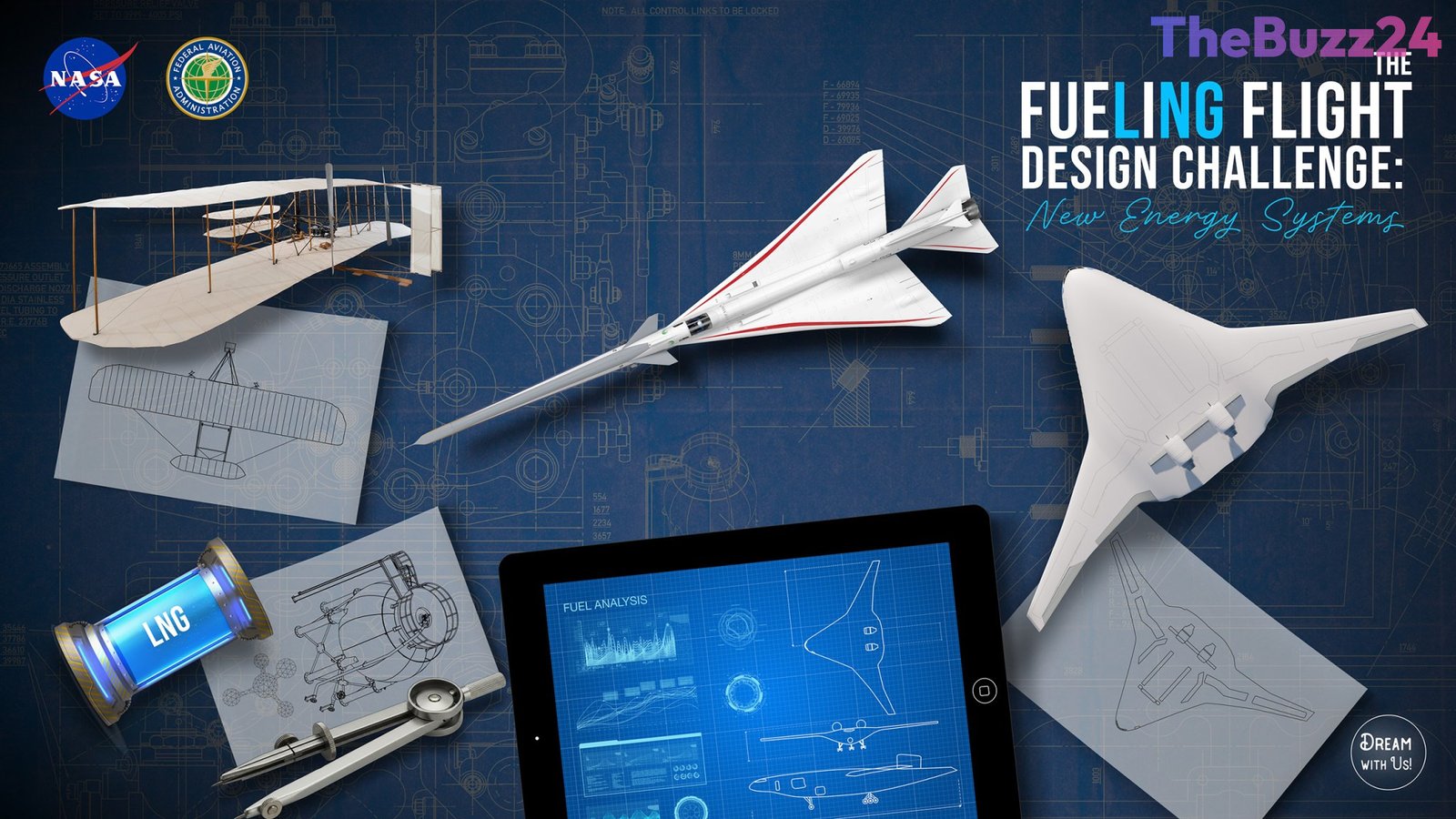
Students across the United States are preparing to take on a major aerospace design challenge focused on transforming the future of commercial flight and air cargo. The newly announced 2026-2027 engineering competition centers around the theme of alternative energy systems, specifically tasking participants with integrating liquefied natural gas (LNG) into modern aviation infrastructure.
Organizers have structured the program to challenge middle and high school students to rethink traditional aircraft architecture. While commercial aviation has historically relied on standard tube-and-wing designs powered by conventional jet fuel, the growing demand for increased efficiency, reduced emissions, and alternative power sources necessitates a complete paradigm shift. Competitors are required to conceptualize a cargo aircraft capable of utilizing LNG, accounting for unique storage requirements while maintaining strict performance parameters such as a 3,000-nautical-mile range and a payload capacity of 125,000 pounds.
The initiative aims to foster innovative thinking among young minds, barring the use of artificial intelligence tools to ensure that all submissions reflect authentic student engineering and creativity. Teams must document their research, design choices, and system configurations within a comprehensive Engineering Design Notebook. Finalists will have the unique opportunity to present their concepts virtually to a panel of industry experts, competing for top honors in a program designed to inspire the next generation of aerospace leaders.
Key Takeaways
- The 2026-2027 engineering challenge focuses on integrating liquefied natural gas (LNG) into aviation.
- Student teams must design an innovative cargo aircraft meeting specific range, payload, and speed criteria.
- The use of artificial intelligence is strictly prohibited, requiring all work to be original student research.
Editor’s Analysis & Impact
This educational engineering challenge highlights the broader aerospace industry’s urgent push toward sustainable alternative fuels and novel aircraft architectures. As global trade volumes and air cargo demands continue to expand, finding scalable alternatives to traditional jet fuel is paramount for long-term economic and environmental viability. By engaging students early in complex aerodynamic and infrastructural problems related to liquefied natural gas, the initiative helps cultivate a vital talent pipeline for future aerospace innovation. The strict prohibition of generative AI in the competition underscores the growing premium placed on authentic human problem-solving and rigorous engineering fundamentals within technical fields.
Frequently Asked Questions
Q: Who is eligible to participate in the high school division of the challenge?
A: The high school challenge is open to students in grades 9 through 12 attending public, private, parochial, and home schools in the United States, as well as children of U.S. military members stationed overseas.
Q: What is the primary technical focus of this year's challenge?
A: Teams are tasked with designing a concept cargo aircraft that utilizes liquefied natural gas (LNG) as an alternative fuel source, requiring novel approaches to fuel storage and aerodynamic efficiency.
Q: Are students allowed to use artificial intelligence to help create their submissions?
A: No, the use of artificial intelligence tools for challenge-related work, including GenAI services or AI-assisted code generation, is strictly prohibited.
AI Disclosure: This article is based on verified data and official reports. Our Team and AI have cross-referenced every financial detail with primary sources to ensure total accuracy.
More from this Category