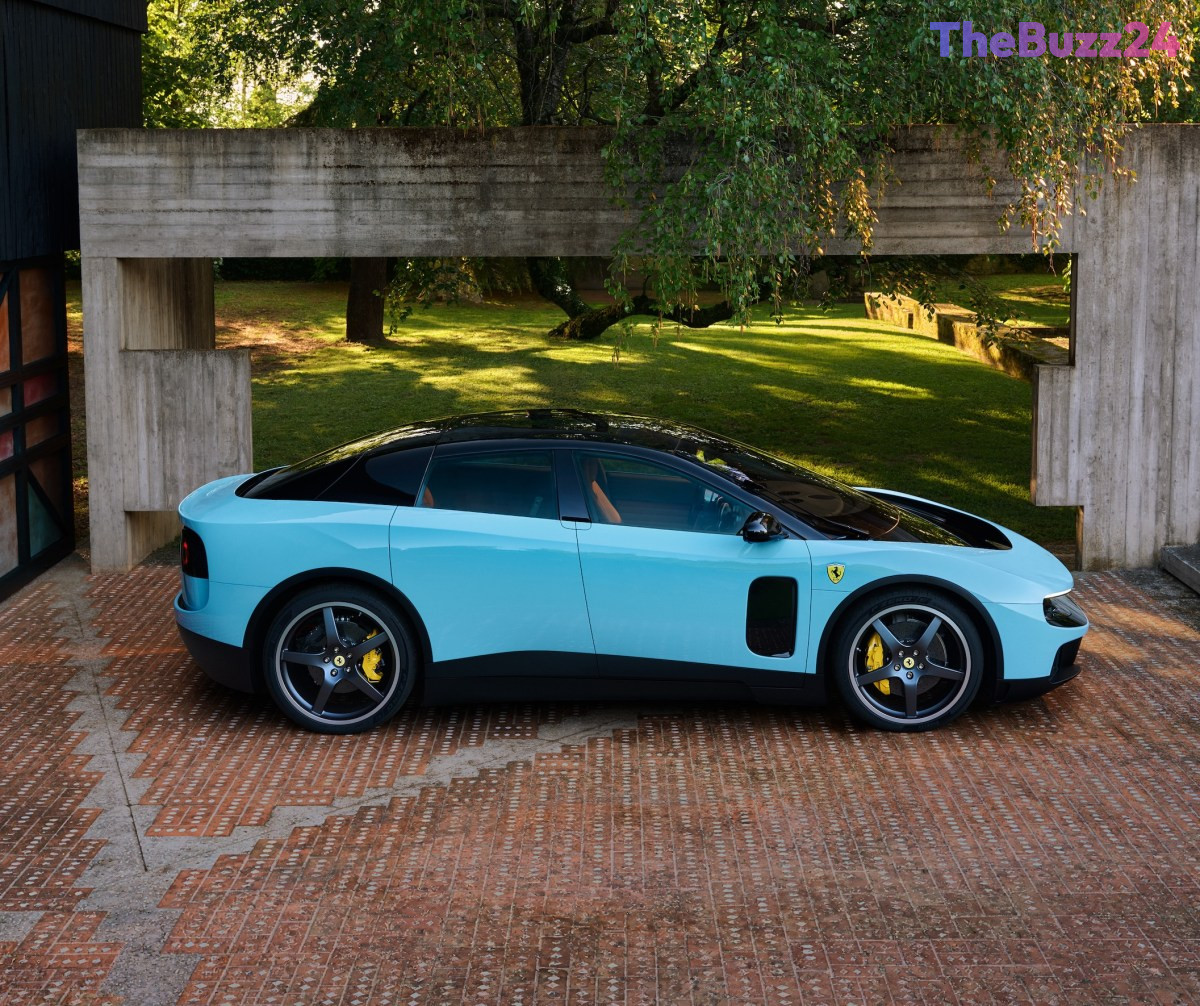
Beyond the Backlash: Why Ferrari’s Electric Ambitions May Still Succeed
The automotive world recently erupted in debate following the unveiling of the Ferrari Luce, the luxury brand’s first all-electric vehicle. Designed by former Apple veteran Jony Ive and carrying a price tag near $650,000, the five-seater EV faced immediate criticism from enthusiasts and industry observers alike. Despite comparisons to more modest electric vehicles and widespread social media mockery, Ferrari remains confident in the model’s trajectory, citing strong order interest from both existing loyalists and new customers.
Industry experts suggest that the initial negative reception may be a temporary hurdle rather than a long-term failure. A similar pattern occurred with the launch of the Ferrari Purosangue, which faced significant skepticism before ultimately becoming a commercial success. For a brand like Ferrari, universal approval is less critical than securing a dedicated base of buyers. With over 80% of Ferrari’s annual sales coming from repeat customers, the company is betting that its established prestige will outweigh aesthetic or mechanical controversies.
Beyond the luxury sector, the broader transportation landscape is shifting as states tighten regulations on autonomous vehicle (AV) testing. A new Texas law now requires companies to license their AV fleets and mandates public disclosure of data. Current tracking shows Waymo leading the state in fleet size, followed by companies like Avride, Nuro, and Tesla. While fleet size is a key metric, the industry is also keeping a close watch on public complaint records, which remain a vital indicator of safety and operational maturity as these technologies move toward commercialization.
Meanwhile, the mobility sector continues to see significant consolidation and investment. Recent activity includes the acquisition of electric off-road startup Dust Moto by LiveWire, and a major funding round for drone delivery firm Matternet. Additionally, major infrastructure shifts are underway, such as American Airlines integrating SpaceX’s Starlink for in-flight connectivity and Volvo securing authorization to continue U.S. operations despite tightening regulations on connected vehicle technology.
Key Takeaways
- Ferrari's new electric vehicle, the Luce, faces intense public criticism but maintains strong order demand from its core customer base.
- Texas has implemented new transparency laws for autonomous vehicle testing, requiring companies to license fleets and report public data.
- The mobility industry is experiencing a wave of strategic acquisitions and investments, including significant moves in drone delivery and EV infrastructure.
Editor’s Analysis & Impact
The automotive industry is currently navigating a delicate transition period where legacy luxury brands must balance heritage with the inevitable shift toward electrification. The Ferrari Luce controversy highlights a recurring theme in high-end manufacturing: brand equity often acts as a buffer against initial market skepticism. If Ferrari successfully navigates this launch, it will likely set a blueprint for other ultra-luxury manufacturers to follow. Simultaneously, the regulatory environment for autonomous vehicles is maturing. As states like Texas move toward mandatory data transparency, the ‘wild west’ era of AV testing is ending, favoring companies with robust safety records and operational scale. Investors should monitor how these regulatory frameworks influence the competitive landscape, as increased compliance costs may favor larger, well-capitalized players over smaller startups in the long term.
Frequently Asked Questions
Q: Why is the Ferrari Luce facing criticism?
A: The criticism stems from its design, which some enthusiasts feel does not align with the brand's traditional aesthetic, and its high price point of approximately $650,000.
Q: What does the new Texas law require for autonomous vehicle companies?
A: The law requires companies to license their autonomous vehicles within the state and mandates that data regarding their testing and deployment be made available to the public.
AI Disclosure: This article is based on verified data and official reports. Our Team and AI have cross-referenced every financial detail with primary sources to ensure total accuracy.
More from this Category